
I’ve managed production calendars across China, Vietnam, and Indonesia for synthetic wig programs ranging from 300-piece fast-turn runs to 20,000-piece seasonal launches. I know the stress B2B teams feel when marketing sets a date, procurement juggles fiber commitments, and factories quote “standard” timelines that don’t reflect your design complexity. My goal here is to give you a practical, first-person blueprint you can actually schedule against—grounded in real factory capacity, typical bottlenecks, and what I’ve seen work to keep launches on track.
Bulk synthetic wig manufacturing typically takes 2 to 6 weeks of factory time once samples are approved and materials are in-house, with 1 to 3 weeks for stock designs and an extra 1 to 3 weeks for custom prototyping and line setup. Fiber procurement and dyeing add 5 to 10 working days, and QC holds commonly add 3 to 7 days. Peak seasons can extend production by 1 to 2 weeks, and orders above 5,000 units often require staged batching and rolling deliveries.
If you’re planning a launch, think in phases: sample approval, fiber/material procurement, production, QC and rework, then outbound logistics. I’ll break down realistic lead times, how peak calendars actually impact capacity, buffers that prevent schedule slips, and when partial shipments make sense to protect your market date.
What lead time should I plan for sample approval, procurement, and production?
Plan by phase, not a single date
In my experience, splitting the project into discrete gates avoids optimism bias and keeps commercial teams honest.
- Sampling and approvals
- Stock designs (existing cap mold, known colors): 3–7 days to reconfirm a golden sample if materials are on hand.
- New or custom styles (new color mixes, cap tweaks, curl specs): 7–21 days for prototyping, iteration, and sign-off. Lace-front hand-tying or complex blends trend toward the high end.
- Procurement and dyeing
- Standard synthetic fibers (Kanekalon/Toyokalon equivalents, non-heat-resistant): 3–7 working days if supplier inventories are healthy.
- Specialty heat-resistant fibers or custom filament denier: 5–10 working days; add time if you require precise multi-tone dope-dyeing or batch color matching.
- Bulk production
- Standard stock designs with existing molds/fibers in-house: 1–3 weeks.
- Typical bulk runs with moderate complexity: 2–6 weeks.
- High-complexity features (tight curl sets, multi-tone blends, HD lace fronts with hand-ventilation): +7–14 days for labor and QC throughput.
- QC, rework, and packing
- Shedding tests, colorfastness checks, heat-resistance verification, cap fit inspections: 3–7 days.
- Export packaging, carton drops, compliance labels: 2–4 days.
Order volume impacts cadence
- Under 500 units: faster slotting; many factories fit these between larger runs, often landing near the 2–3 week production mark.
- 1,000–5,000 units: plan 3–5 weeks; batching is common to keep curl setting and color lines consistent.
- 5,000+ units: expect staged runs; overall line time may extend to 5–6 weeks plus rolling pack-out.
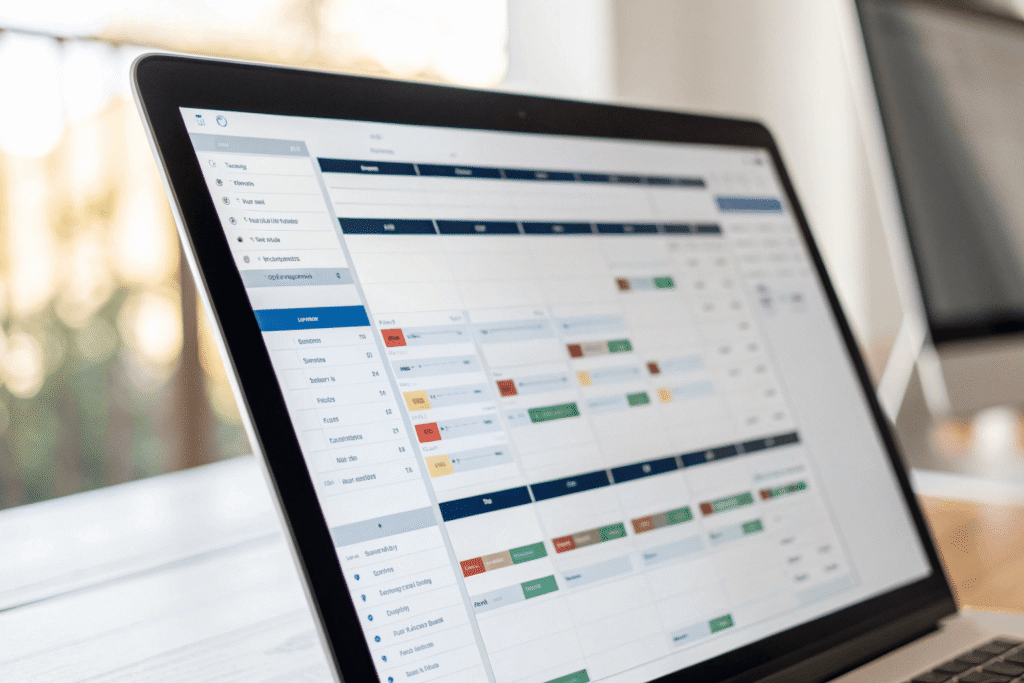
Typical timeline ranges (factory days)
| Phase | Stock design | Custom/moderate | High complexity |
|---|---|---|---|
| Sampling & approval | 3–7 | 7–21 | 14–21 |
| Fiber procurement & dyeing | 3–7 | 5–10 | 7–12 |
| Production (wefting, styling, cap) | 7–21 | 14–28 | 21–42 |
| QC & packing | 3–7 | 4–7 | 5–10 |
Practical tip: lead time reliability improves materially when you submit detailed tech packs, consolidate colorways, and pre-approve a master sample. I’ve seen this cut rework loops and scheduling gaps by a full week on mid-size orders.
How do peak seasons affect my schedules and how can I secure capacity?
Where peak pressure comes from
Factories see queue spikes in pre-holiday (October–November) and back-to-school (July–August) periods, plus regional holidays like Lunar New Year and Golden Week. In those windows, even standard runs can slip 1–2 weeks due to:
- Competing orders that lock down curl-setting ovens and dye lines
- Labor shifts prioritizing hand-ventilation for higher-margin SKUs
- Supplier lead times for specialty fibers drifting from 5–10 to 10–15 working days
Capacity insurance that actually works
- Slot reservation: Book a tentative line slot when you brief the design, then convert to a firm PO within 7–10 days. I push for a non-binding reservation first, then a phased deposit to hold capacity.
- Material pre-buys: Secure core fibers (common colors, heat-resistant yarn) before final approval. You can pre-buy neutrals and run a color top-up once the sample is locked.
- Staggered color plan: Launch with consolidated colorways (e.g., 1–2 core shades), and add extended colors in wave two. This removes color-switch downtime.
- Batch-level QA: Approve first-article output from batch one, then release batches two and three without pause. It avoids whole-order holds.
- Dual-site strategy: Split volumes across two qualified plants in different regions. If one site hits a holiday or queue bottleneck, you keep at least 50% of flow.
Capacity risk and mitigation table
| Peak-season risk | Impact (days) | Mitigation |
|---|---|---|
| Fiber supplier backlog | +5–10 | Pre-buys; dual suppliers; color consolidation |
| Curl oven/dye line queue | +3–7 | Slot reservation; staggered colors |
| Hand-tying labor constraints | +7–14 | Cap design simplification; split SKUs across plants |
| Regional holidays | +7–21 | Build schedule buffers; dual-site; early deposits |
Which buffer strategies reduce delays from fiber supply or QC hold-ups?
Buffers that save launches
From what I’ve seen, the most effective buffers are modest but targeted—big enough to absorb common slip, small enough not to bloat cash cycles.
- Time buffers
- Fiber/dye buffer: add 5 business days when using heat-resistant or custom denier fibers.
- QC buffer: add 3–5 days for enhanced tests (shedding, colorfastness, cap fit, heat tests).
- Peak buffer: add 7–10 days across the whole schedule from July–August and October–November, and bracket Lunar New Year with 2–3 extra weeks.
- Design buffers
- Complexity control: limit multi-tone blends and extremely tight curl specs in the first drop; introduce them later once capacity stabilizes.
- Cap standardization: stick to existing cap molds; micro tweaks (ear tabs, combs) cost less time than new mold development.
- Inventory buffers
- Safety stock on core fibers/colors: 2–4 weeks of average consumption to ride out supplier hiccups.
- Pre-approved golden samples: prevents iterative rework; one locked standard accelerates QC sign-off.
- Process buffers
- Parallel testing: run colorfastness and shedding tests on pilot bundles while line setup begins.
- Early carton approvals: lock export packaging and labels upfront to avoid end-of-line stalls.
Red flag to watch: expanding SKUs late in the cycle (new color or curl) without re-slotting line time is the most common cause of preventable delays I see on synthetic programs.
Can I use partial shipments or rolling deliveries to meet launch dates?
Absolutely—and for volumes above 5,000 units or launches tied to a fixed marketing window, rolling deliveries are often the difference between making the date and missing the season.
How I structure partials
- First-article + wave plan: Ship 20–30% once batch one clears QC. Use the in-market inventory to hit launch while the factory continues batches two and three.
- Color prioritization: Allocate early air shipments to hero colors; push long-tail shades via sea freight later.
- Region split: Air to priority markets, ocean to secondary markets; synchronize retail set dates accordingly.
Freight and timing realities
- Air freight vs sea freight
- Air can shave 7–20 days versus ocean, crucial for launch-critical quantities.
- Build in 2–4 days for final packing, export docs, and inspections regardless of mode.
- Consolidation windows
- Weekly air consolidations are common; plan pick-up aligned with QC release.
- Ocean FCL schedules require port cutoff coordination—avoid Friday QC sign-offs that miss weekend cutoffs.
Commercial terms and QC governance
- Payment terms: Tie deposits and balances to batch releases (e.g., 30/40/30 across waves) to maintain factory motivation and your cash discipline.
- QC gates: Use AQL sampling on each partial; don’t waive tests on later waves—defects can climb when labor cycles get tight.
If I were setting a conservative calendar for a custom, mid-complexity, 3,000-unit program outside of peak season, I’d schedule: 2 weeks for sampling and approval, 1–2 weeks for fiber procurement/dyeing, 3–4 weeks for production, and 1 week for QC/packing—then choose air for the first 20–30% to anchor the launch, with ocean for the balance. In peak windows, I’d add 1–2 weeks total buffer, reserve capacity early, and simplify the first drop’s color/curl mix to protect the date.
By planning in phases, securing capacity before you finalize the sample, and using rolling deliveries, you can turn those “2–6 week” factory quotes into dependable timelines that land your launch on time—without overpaying for last-minute freight or scrambling on QC.