
I’ve spent years inside factories from Xuchang to Qingdao, and I know how quickly an OEM synthetic wig program can go off track if sampling is weak, QC is reactive, or export paperwork isn’t in order. Brands and distributors need partners who can deliver consistent fiber quality, tight color tolerances, and cap construction that holds up on retail shelves and in salon fitting rooms. In my experience, the difference between a smooth launch and a costly rework cycle often comes down to how well your factory controls fiber sourcing, sample development, and batch-level QA.
Many Chinese manufacturers in Xuchang (Henan) and Qingdao (Shandong), as well as select suppliers in Indonesia and India, offer OEM synthetic wig services with private labeling and custom packaging. Their capabilities typically include fiber selection (Kanekalon, Toyokalon, heat-resistant fibers), customized caps, densities, colors, and lengths, with MOQs ranging from 50–300 per style and lead times of 15–45 days. Strong OEM partners provide sample development, pre-production prototypes, compliance support (fiber safety, colorfastness), and export certifications.
Below, I lay out how I shortlist OEM partners, the factories I trust for deep customization, how I verify export readiness for the U.S. and Nigeria, and the NDA/IP protections I insist on. I’ll include the practical decision criteria, sample/QC checkpoints, and a few comparison tables you can share with your procurement teams.
How do I shortlist OEM partners with strong sample development and QC?
My non-negotiables for sampling
- Fiber realism and resilience: I request heat-resistant fibers with double-drawn blends for better volume without excessive shine. Kanekalon or premium Hiperlon blends should pass a 160–180°C curl test without melting or excessive odor.
- Color proofing: I require lab-dyed swatches and a first-off sample per color code. Delta E ≤ 2.0 for mainstream shades; ≤ 1.5 for brand-signature shades.
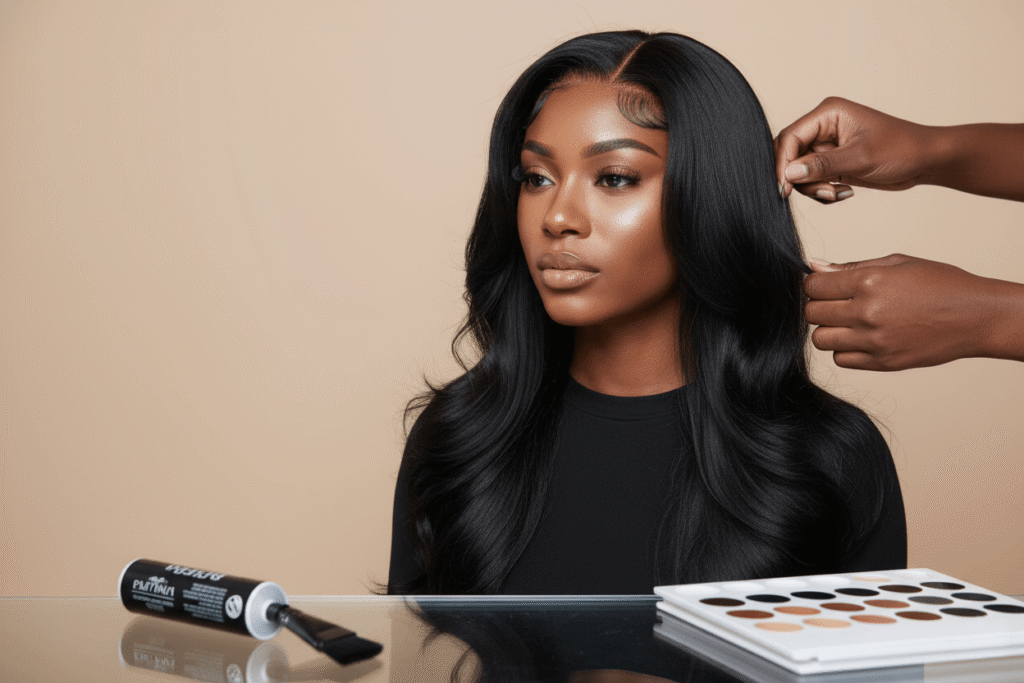
- Cap fit validation: Pre-production prototypes must confirm perimeter, ear-to-ear, and crown measurements against my spec sheet. Lace-front tension and temple stitching are stress-tested on head forms and live models.
QC workflow I expect to see in-house
- Incoming fiber QA: lot traceability, denier uniformity reports, and lubricant/oil residue checks to prevent slippage in hand-tying.
- In-process checks: 3-point inspection—post-wefting, post-ventilation, and pre-finishing—for density, parting accuracy, and knot integrity.
- Batch-level proof: photo/video evidence of random sampling across cartons, with time-stamped records. I ask for batch boards showing cap tags, color lots, and density weigh-ins.
Practical shortlisting steps
- Run a two-sample gate: one standard style and one complex colorway. Compare turnaround (7–14 days), tolerance adherence, and responsiveness.
- Prioritize factories with in-house fiber processing and dyeing; they manage variability better and can iterate faster on colors and textures.
- Ask for compliance dossiers: fiber MSDS, colorfastness test reports (ISO/GB), and needle detection/metal contamination logs.
Typical OEM parameters
- MOQs: 50–300 pieces per style; lower MOQs for stock fiber colors.
- Lead times: 15–45 days; add 10–20 days for new color development or intricate hand-tied elements.
- Cost drivers: fiber grade, hair density, cap type (lace-front, mono-top, machine), color complexity, and hand-tying percentage—these can more than double unit pricing.
Which factories can customize caps, colors, and densities for my brand?
Regions and representative capabilities
- Xuchang, Henan (China): high-volume OEM, broad fiber libraries, fast trend adoption. Private label and custom packaging are standard.
- Qingdao, Shandong (China): strong in toppers/hairpieces, boutique-level finishing; good for mono-top precision and color nuance.
- Indonesia (Purbalingga): robust lace-front and mono-top with heat-resistant fibers; reliable confidentiality on client projects.
- India (Delhi): flexible for lace fronts and patches; smaller MOQs and custom builds for mixed portfolios.
Factory examples and typical custom options
- Xuchang BeautyHair Fashion; Xuchang Tianbang Hair Company; Guangzhou Jingchen Beauty Hair: lace-front, glueless, machine caps; density ramps; private label packs; showroom QC in Guangzhou.
- Qingdao Blueforest Hair: toppers/wigs, custom hairpieces, boutique finishing; good for nuanced color mapping.
- PT. Mahakota Estetika Abadi (Indonesia): heat-resistant fibers; lace-front, mono-top, full machine; private label with defined minimums.
- India-based providers like Gaurav Wig House, Nana Hair, BM Wig: lace wigs/closures, patches; custom density and cap adjustments.
Cap, color, density customization—what I specify
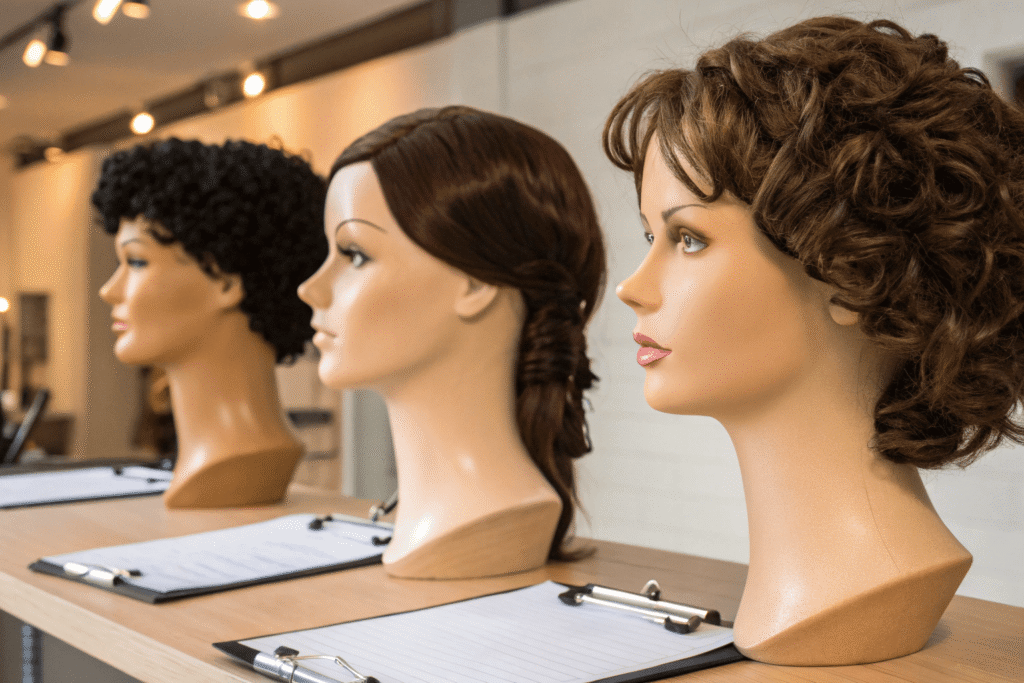
- Caps: lace-front for hairline realism; mono-top for natural parting; machine-made for cost-effective volume. I set lace type (Swiss/French), ear tab structure, and adjustable straps spec.
- Densities: base density targets by zone (front hairline 80–100%, crown 120–130%, nape 110–120%), with tolerance ±5%.
- Colors: brand-specific shade codes with undertone notes; rooted blends and highlights via mapped ventilation patterns; require repeatability proofs across 3–5 cartons.
Table: Customization scope by region (typical)
| Region/Factory Cluster | Cap Customization | Color Range & Control | Density Control | Notes |
|---|---|---|---|---|
| Xuchang (Henan) | Lace-front, mono-top, machine | Wide libraries; fast new color dev | Tight with weigh-ins | Best for speed and scale |
| Qingdao (Shandong) | Mono-top, toppers, lace | High precision, boutique tones | Consistent across small runs | Great for premium SKUs |
| Indonesia (Purbalingga) | Lace-front, mono-top | Reliable heat-resistant fibers | Good balance cost/quality | Strong confidentiality |
| India (Delhi) | Lace fronts, patches | Solid basics; custom on request | Flexible, smaller MOQs | Good for diversified catalogs |
How do I verify export experience to the U.S. and Nigeria markets?
U.S. export readiness checklist
- HS classification and duty: confirm HS codes for synthetic wigs (e.g., 6704.x) and tariff/duty estimates. Ask for past CBP entries and broker references.
- Compliance documents: fiber safety/MSDS, colorfastness (AATCC/ISO), labeling (FTC textile rules), country-of-origin marks, and Prop 65 statements where relevant.
- Packaging and barcoding: carton specs meeting 32 ECT/44 ECT requirements, UPC/EAN readiness, and retail label format approvals.
Nigeria export readiness checklist
- Documentation: Form M, pro forma invoice, SONCAP (Standards Organisation of Nigeria Conformity Assessment Program) where required, and NAFDAC considerations if hairpieces fall under local oversight.
- Logistics proof: prior airway bills/bills of lading to Lagos/Abuja, clearing agent references, and guidance on wooden pallet fumigation (ISPM-15).
- Currency and payment: experience with LC at sight or TT with Nigerian banks; clarity on pre-shipment inspection and PSI vendors.
Verification methods I use
- Request redacted historical documents: AWBs/BLs, commercial invoices, packing lists, and compliance certificates tied to U.S. and Nigeria shipments.
- Speak to their forwarders: a 10-minute call with the nominated freight forwarder or customs broker confirms whether the vendor is truly export-ready.
- Trial shipment: start with a 100–200 unit pilot to test customs clearance, labeling, and carton durability before scaling.
Table: Export verification signals
| Signal | U.S. Market | Nigeria Market |
|---|---|---|
| Past shipments proof | CBP entry docs, broker contact | SONCAP certs, Form M records |
| Compliance support | AATCC/ISO tests, Prop 65 | SON standards guidance |
| Logistics capability | UPS/FedEx/LCL FCL familiarity | Lagos/Apapa routing experience |
What NDA and IP protections should I request for my designs?
Essential contract controls
- Mutual NDA with tooling and spec protection: define “Confidential Information” to include cap patterns, lace maps, color recipes, ventilation diagrams, brand shade codes, and packaging dielines.
- No-sell and no-show clauses: factory must not display, sample, or sell your custom designs to other clients or online marketplaces; include liquidated damages for breaches.
- Subcontractor controls: require written approval for any subcontracting; extend NDA obligations to all sub-vendors (fiber dye houses, ventilation workshops).
- Ownership and work-for-hire: explicitly assign ownership of patterns and tech packs to your brand; prohibit derivative use.
- Marking and segregation: mandate physical segregation of your materials with unique lot tags; prohibit mixing your fibers with other clients’ stock.
Operational IP safeguards I use
- Watermarked tech packs and color maps with version control.
- Unique internal codes on cap tapes and hangtags to track leakage.
- Factory floor audits: unannounced video walk-throughs; sealed sample room policy.
- Restricted media clause: ban factory from posting production content on social platforms; pre-approve any marketing use.
Dispute and exit
- Jurisdiction: Hong Kong or Singapore law for Asia-based suppliers; define expedited arbitration.
- Evidence preservation: require retention of batch boards, QA photos/videos, and production logs for at least 24 months.
OEM Synthetic Wig Manufacturers
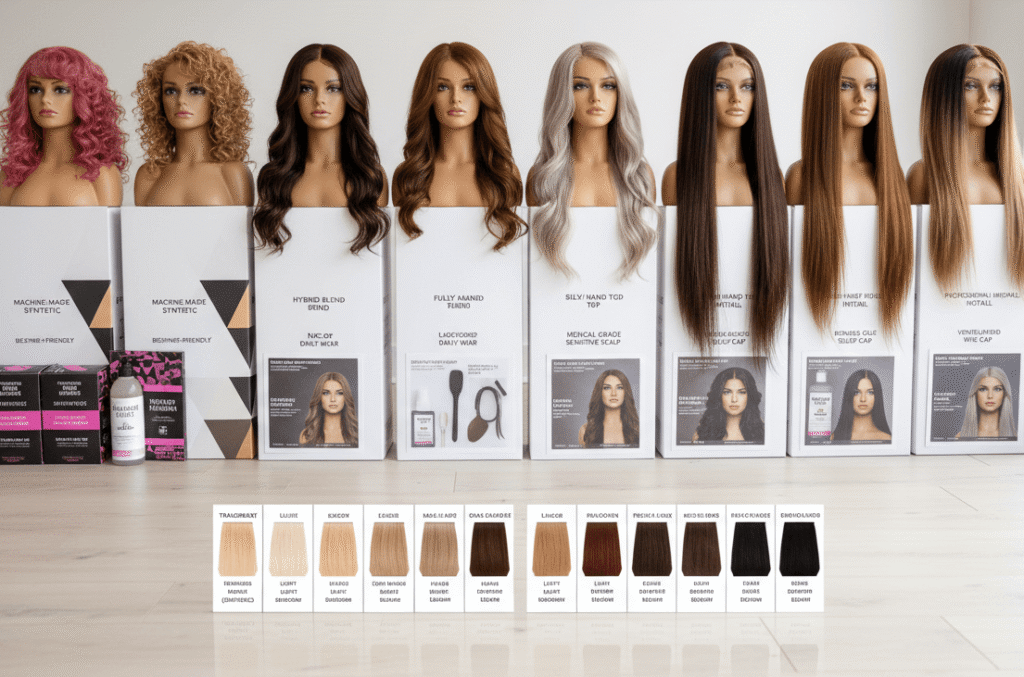
Several manufacturers worldwide offer OEM (Original Equipment Manufacturer) synthetic wig services, allowing brands to produce wigs under their own label. Here are the key providers:
China-Based Manufacturers
Xuchang Manufacturers — Xuchang, located in Henan province, is a major global hub for wig production and hosts numerous OEM-capable factories. Leading providers in this region include:
- Xuchang BeautyHair Fashion: synthetic and human hair wigs with OEM capabilities; bulk order support; private labeling and custom packaging.
- Guangzhou Jingchen Beauty Hair: lace-front and glueless wigs; OEM/private label; rapid trend-following designs and flexible MOQs.
- Xuchang Tianbang Hair Company: synthetic wigs, fusion hair products, and lace wigs; custom production; Guangzhou showrooms for quality inspection.
Qingdao Manufacturers
- Qingdao Blueforest Hair: toppers, wigs, and custom hairpieces; OEM capabilities; servicing boutiques, high-end retailers, and salon chains.
Indonesia-Based Manufacturers
- PT. Mahakota Estetika Abadi (Purbalingga): major OEM synthetic wig manufacturer producing heat-resistant synthetic fiber wigs in lace-front, mono-top, and full machine caps; accepts private label orders with defined MOQs; experienced in confidential client projects.
India-Based Manufacturers
- Gaurav Wig House (New Delhi): synthetic hair extensions and wigs including lace-front styles; local and global custom manufacturing.
- Nana Hair: OEM provider with significant U.S./UK client base; lace wigs and closures; 1,300 m² facility with >50 manual workers.
- BM Wig: produces lace-front wigs and hair patches; 10+ years of service experience.
International Providers
- Helene Hair: OEM/ODM services with MOQs starting ~30 units per texture/style; heat-resistant synthetic fibers; customization across cap type, density, color, and hairline; sampling 5–10 days; production 15–25 days.
- HT Hair Factory: custom lace wig OEM with full cap customization; adjustable features, lace types, parting styles; visual confirmation via real-time videos and production images.
- KTS Inc. (South Korea): hair replacement systems, hairpieces, and wigs; human and synthetic options; custom-making services.
Most of these manufacturers support private labeling, custom packaging, and bulk orders, with MOQs typically ranging from 25 to 100 units depending on customization complexity. For larger brand programs, I still plan around 50–300 units per style to keep color and density consistency.
How I engage new OEMs from this list
- Start with dual pilots in Xuchang and Qingdao for benchmark comparisons on color repeatability and cap fit.
- Add one secondary partner in Indonesia or India to diversify supply risk and pressure-test lead times.
- Lock specs early: fiber grade, density map, lace type, and color codes; circulate master samples and retain golden standards on both sides.
Conclusion
I approach OEM synthetic wig sourcing as an engineering and compliance exercise as much as a creative one. The right partners—especially those in Xuchang, Qingdao, Purbalingga, and Delhi—offer robust sampling, strong QC, and documented export capability for the U.S. and Nigeria. By enforcing cap/density/color specs, validating compliance records, and putting airtight NDA/IP clauses in place, brands can launch reliably, scale without surprises, and maintain the uniqueness of their designs across multiple OEMs.