
I’ve spent years helping wig brands and salons troubleshoot fit, scalp comfort, and cap construction trade-offs. If you’re balancing realism, ventilation, durability, and wearer sensitivity, you’re in the right place. I’ll break down how different cap types feel, how they perform in long wear, and which specific features actually make a difference for sensitive clients and hot climates.
Understanding wig caps is about balancing construction, materials, and fit: closed caps maximize coverage but run warm; open weft caps increase breathability at the cost of density; lace front and monofilament elevate realism; hand‑tied caps deliver the softest, lightest feel. Pair the right cap with moisture‑wicking liners, proper sizing, and minimal‑friction interiors for all‑day comfort.
Below, I compare the common cap types, explain breathability versus structure, and show how grips, straps, and liners change fit and comfort. I also share what consistently works for salon clients with sensitive scalps and for long shifts under lights.
Which cap construction best fits my sensitive scalp or long wear?
What sensitive scalps need
From what I’ve seen in medical hair loss fittings and long retail shifts, sensitive scalps respond best to soft, seam‑light interiors:
- Hand‑tied (full or partial) caps minimize friction because each hair is individually knotted; no stiff weft rows pressing on hot spots.
- Monofilament tops (single or double) mimic scalp and allow multidirectional parting; double mono adds a protective layer that reduces itch.
- Avoid dense polyurethane “skin” sections if heat or sweat triggers irritation; they trap warmth and can feel tacky.
Your notes about sensitive scalps align with my experience: soft, seamless interiors, minimal scratchy seams, and silicone grippers where needed. For all‑day wear, I prioritize hand‑tied or mono tops with moisture‑wicking liners (bamboo or performance poly) and lighter hair density to reduce thermal load.
Long-wear reliability vs. realism
For 8–12 hour wear, I balance breathability and structure:
- Open weft caps reduce heat and weight. They’re budget‑friendly and durable but can feel less “full” in coverage.
- Lace front adds realism at the hairline. If adhesives irritate, switch to a glueless fit with ear tabs, straps, and optional silicone grips.
- Hand‑tied crowns lay flatter and distribute pressure evenly, reducing fatigue compared to machine‑stitched wefted caps.
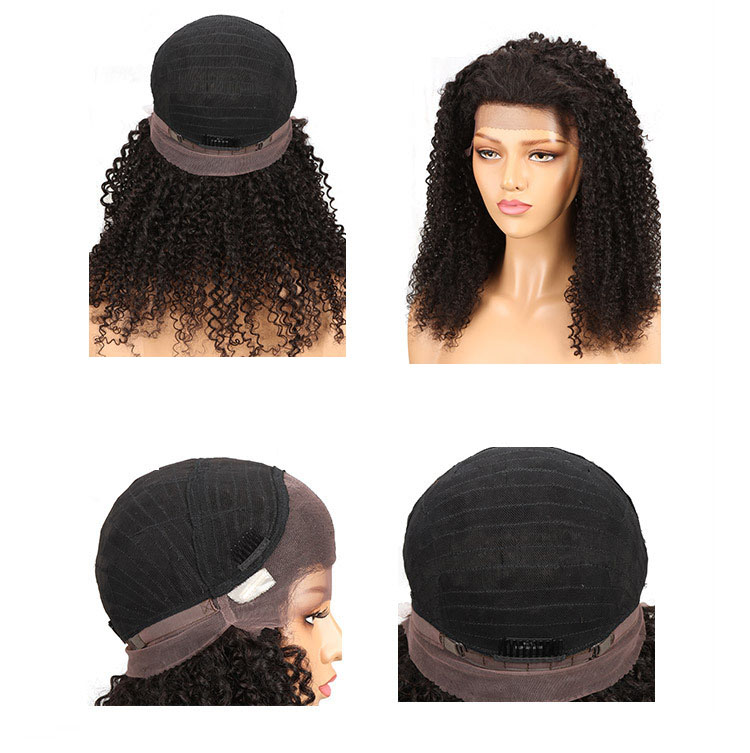
Quick selection guide (sensitive scalp or long wear)
- Highly sensitive + all day: hand‑tied with double monofilament top, silicone perimeter, bamboo liner.
- Moderate sensitivity + heat: open weft cap with monofilament part/crown; lace front for realism; glueless fit.
- Budget + durability: basic machine‑made wefted cap with soft nape, add comfort liner and reduce density at crown.
How do I choose between breathable mesh and sturdier wefted caps?
Breathability vs. structure explained
Your insight that “breathability and heat comfort increase with open wefts and lightweight fibers” is spot‑on. Mesh/open weft designs create airflow channels, while dense closed caps trap heat. But structure matters: sturdier wefted caps keep shape and resist stretching, which is helpful for heavy textures or high‑density units.
Material and construction differences
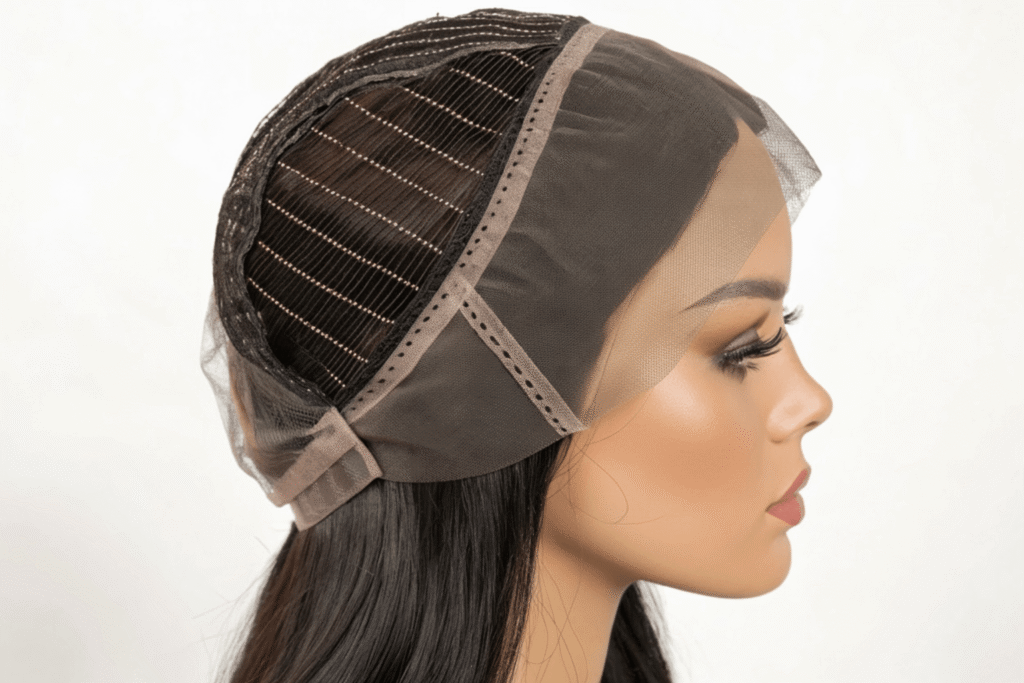
- Capless/open weft: rows of wefts with open spaces. Light, cool, fast‑drying. Slightly less uniform coverage; may show wefts if pulled back aggressively.
- Closed caps (traditional): full lace or fabric base without open wefts. Secure coverage and uniform silhouette, but warmer and less breathable.
- Mesh domes: flexible, airy base for custom builds; great under summer conditions but rely on added features (combs, straps) for stability.
Decision factors I use with buyers
- Climate and shift length: hot climate or under stage lights → open weft/mesh first, then add mono or lace elements where realism is needed.
- Density and hair type: high‑density human hair or heavy textures benefit from stronger weft frameworks to minimize cap stretch.
- Styling needs: frequent updos or off‑the‑face looks push you toward lace front or partial lace perimeter, even on wefted bases.
Comparison table: mesh/open weft vs sturdier wefted
| Feature | Mesh/Open Weft Caps | Sturdier Wefted Caps (Closed/Denser) |
|---|---|---|
| Airflow/Heat | High airflow, cooler | Lower airflow, warmer |
| Weight | Lighter | Heavier |
| Coverage uniformity | Moderate; can show rows if over-styled | High; smooth silhouette |
| Durability under high density | Moderate; can stretch over time | High; holds shape better |
| Comfort for sensitive scalp | Good with soft linings | Depends on interior seam finish |
| Cost | Budget to mid | Budget to mid; lace/mono add cost |
Will silicone grips or elastic straps improve my fit and security?
Fit mechanics that actually help
Proper sizing plus adjustability is the foundation. I always measure circumference, front‑to‑back, and ear‑to‑ear, then fine‑tune with:
- Elastic straps/Velcro adjusters: micro‑adjust tension without creating pressure points.
- Nape straps with hook-and-bar: anchor the back, reducing lift when moving or sweating.
- Combs/clips (strategic, not excessive): temple and nape placement for light anchoring; avoid too many clips on sensitive scalps.
Your note about “proper sizing, adjustable straps, and strategic combs” is exactly how we avoid hotspots while maintaining security.
Silicone grips: when and how to use
Silicone grippers at the perimeter or an integrated silicone band improve friction and stability, especially for:
- Total hair loss wearers (no bio hair to anchor).
- Glueless lace front fits where adhesive is avoided.
- Active users (salon staff, performers, athletes).
For sensitive clients, choose medical‑grade silicone that’s smooth and non‑tacky, and pair with a breathable liner to prevent sweat buildup. If a client experiences heat with silicone, switch to lighter tension and a moisture‑wicking cap liner.
Security add‑ons and their trade‑offs
| Accessory/Feature | Benefit | Trade-off/Watch-out |
|---|---|---|
| Silicone perimeter | Strong grip without glue | Can feel warm; clean regularly |
| Elastic straps | Adjustable tension, quick fitting | Over-tightening causes pressure points |
| Combs/clips | Extra anchoring with bio hair | Irritation on sensitive scalps if overused |
| Adhesive/tape | Invisible hairline security | Possible skin reaction; maintenance needed |
| Wig grips (headbands) | Fast, glueless stability | Adds a layer; choose breathable materials |
What cap features reduce itch and heat for my salon clients?
Interior finishes that matter
To reduce itch, I look at the inside before the outside:
- Seam softness: hand‑tied sections and double mono reduce scratchy edges; cover any rough seam with fabric tape or silicone edge guards.
- Linings: bamboo or moisture‑wicking liners pull sweat off the skin; avoid coarse nylon against sensitive areas.
- Cuticle‑aligned human hair and lighter density: less bulk equals less trapped heat; avoid overly dense synthetic linings that hold warmth.
Ventilation strategy
Your point that “open wefts, lightweight fibers, and moisture‑wicking liners” improve comfort is exactly what salons need in summer. I combine:
- Open weft caps or mesh domes for airflow.
- Lace front for off‑the‑face styling without overheating the crown.
- Monofilament top for realistic scalp with breathable mesh.
Practical salon checklist
- Fit: confirm head measurements and adjust straps; ensure ear tabs sit flat without pressure.
- Friction points: inspect temple and nape seams; add soft guards if clients report rubbing.
- Heat management: recommend bamboo liners; suggest periodic “air breaks” during long appointments.
- Adhesive choice: for clients prone to irritation, use sensitive‑skin adhesives or go glueless with silicone grippers.
When to choose specific caps for comfort outcomes
- Itch‑prone scalp: hand‑tied + double mono, minimal interior seams, silicone perimeter used lightly.
- Heat‑sensitive in warm climate: open weft base with mono part, lace front for styling; pair with moisture‑wicking liner.
- Budget salon clients: basic machine‑made caps are viable if you upgrade comfort—soft liner, reduced density at crown, and careful seam finishing.
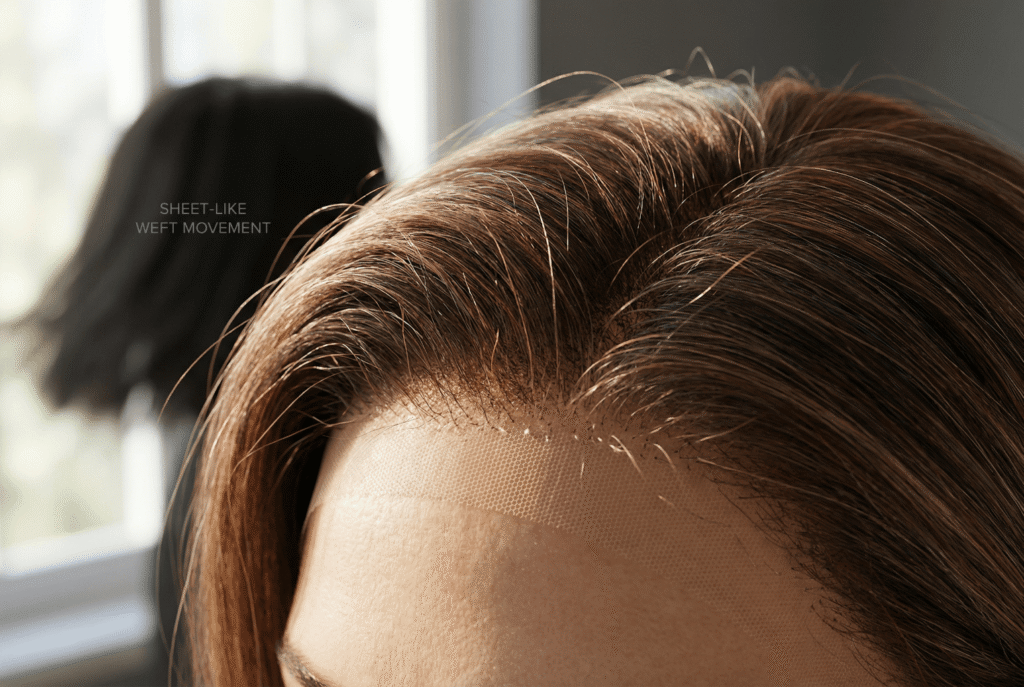
Cap types at a glance (summary)
- Closed (traditional) caps: secure coverage; less breathable; warmer.
- Capless/open weft: airy, lighter; may look less full.
- Lace front: realistic hairline; may need adhesive.
- Monofilament: natural scalp look; multidirectional parting; comfortable mesh.
- Hand‑tied: softest, lightest, most natural movement; higher cost; gentler care required.
- Basic machine‑made: durable and budget‑friendly; stiffer feel; improve comfort with liners and strap adjustments.
The right choice blends realism, ventilation, and maintenance: add lace front or monofilament where you need natural appearance; go open weft to keep clients cool; choose hand‑tied when sensitivity and long wear are non‑negotiable. Pair with proper sizing, elastic adjustments, and silicone grips for secure, pressure‑free fits that last through a full salon day.