
I spend a lot of time separating signal from noise for procurement teams and brand owners, and I know how costly review manipulation can be. A few dozen fabricated 5-star ratings can hide lace quality issues, acid-bath processed hair that sheds by week two, or cap constructions that never pass wear testing. In my experience, the fastest way to derisk vendor selection is to triangulate authentic customer feedback with hard manufacturing facts—fiber type, cap build, density, knotting, and return behavior—then validate across platforms and time.
To spot real vs fake reviews, I look for balanced rating distributions (including detailed 3–4 star feedback), product-specific details (fiber, cap, density, lace, shedding/tangling, heat tolerance), natural review timing, and verified buyer photos/videos showing hairline and cap internals. I flag review stuffing or AI-generated comments when language is repetitive, profiles lack history, timestamps cluster unnaturally, or cross-platform ratings diverge. I then corroborate with third-party platforms/certifications and prioritize brands with transparent returns, accurate color guides, and responsive replies to negative reviews—markers of consistent quality.
Below I map the exact signals I rely on, how I detect stuffing or AI content, the role of third-party platforms and certifications, and what long-term testimonials reveal about supply-chain consistency. I’ll keep this grounded in day-to-day wig manufacturing realities so your team can apply it directly to vendor vetting.
What signals show authentic buyer photos and detailed feedback?
Photo/Video Evidence That Feels Real
- Multiple angles and lighting: front hairline, side profile, parting space, nape, and inside cap. Natural lighting plus indoor LED gives away shine, knot visibility, and lace tint.
- Close-ups of lace and knots: look for bleached or lightly tinted knots; uniform jet-black knots suggest lower-tier processing or synthetic blending.
- Inside-cap shots: presence of monofilament, hand-tied vs machine-wefted tracks, ear tab construction, and lace front length. Inconsistent stitching or glue residue can indicate post-factory alterations.
- Wear-in footage: photos after 2–4 weeks show true shedding/tangling and lace fray; day-one glam shots tell you very little.
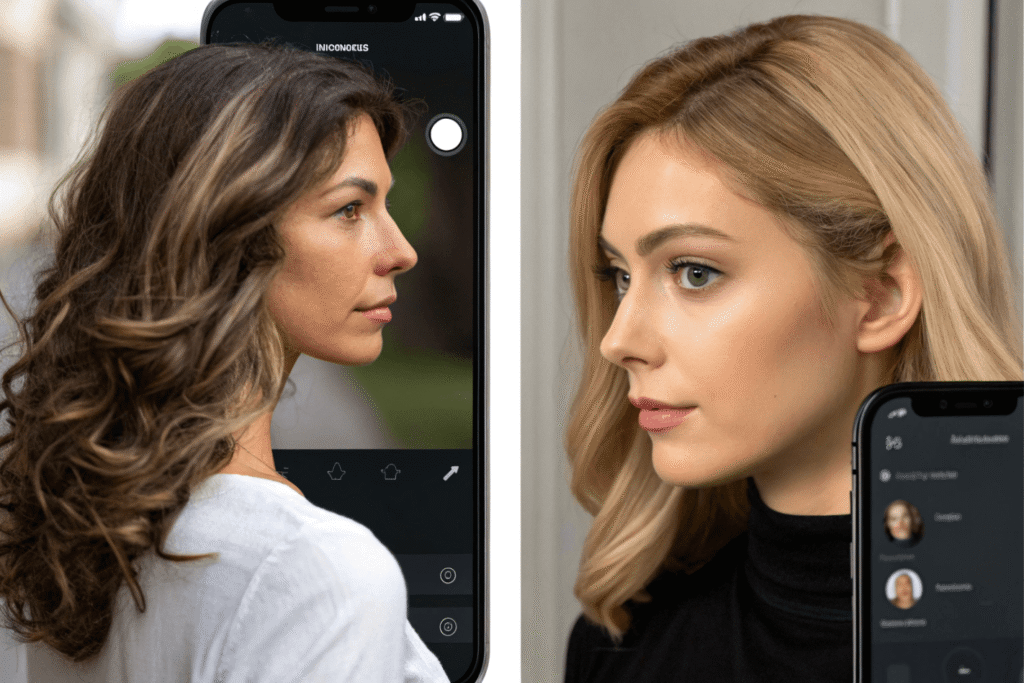
Textual Specificity That Matches Real Use
Authentic buyers reference:
- Fiber type and processing: virgin/Remy, single-donor claims, heat-friendly synthetic, steam processing, or signs of acid bath (excess shine, brittle ends).
- Cap construction: lace front, monofilament top, fully hand-tied vs machine wefted; notes on breathability and pressure points.
- Density and ventilation: 130–150% feels natural for daily wear; 180%+ reads glam but can run hot—true reviews mention trade-offs.
- Shedding/tangling: behavior after washing and heat styling; alignment issues (non-Remy) will show friction tangling at nape.
- Color accuracy: swatch match, undertone (ash vs warm), lowlights/highlights, and any dye bleed on first rinse.
- Sizing and fit: circumference, ear-to-ear, temple-to-temple; mentions of tightness on 22.5–23” heads are common with smaller EU caps.
- Heat tolerance and styling: specific temperatures (e.g., 320–350°F on human hair; ≤280°F on heat-friendly synthetic) and outcomes.
Balanced Ratings Are a Trust Signal
I trust listings with mid-range 3–4 star reviews that weigh pros and cons. For example: “Lace melts well, monofilament part looks natural, but density feels heavy after 6 hours; minimal shedding week one, increased after flat iron at 340°F.” That reads like a user who wore and tested the product.
How do I detect review stuffing or AI-generated comments in listings?
Timing and Volume Patterns
- Sudden surges: 40–60 reviews within 48–72 hours followed by a drought. Authentic campaigns show lifts around launches but retain a steady tail.
- Same-day clusters: many reviews posted within minutes, often with similar length and tone.
- New accounts spike: multiple profiles created in the past week is suspicious.
Profile and Language Red Flags
- Thin history: accounts that review only one brand, or have 1–2 lifetime reviews.
- Generic handles and stock avatars: low-effort identity is common with paid reviews.
- Repetitive phrasing: “Soft, amazing quality, best wig ever!” in slightly varied forms across many reviews.
- Overblown emotion without detail: “Changed my life!!!” but no mention of cap type, lace, density, or heat setting.
- Template cadence: similar sentence length and structure—a hallmark of AI or bulk content.
Cross-Platform Consistency Checks
- Divergent ratings: 4.8/5 on marketplace A, but 3.2/5 on Trustpilot or Reddit communities.
- Forum contradictions: stylists and long-term wearers flag tangling after week two while store reviews remain uniformly glowing.
- Video vs text mismatch: influencer videos show visible knots or stiff movement, yet listing reviews claim “melted invisible lace.”
Tooling and Process
- Use browser extensions or review analysis tools to highlight repeated phrases and timestamp anomalies.
- Corroborate with longer-form YouTube reviews or specialist forums. One thorough teardown beats 50 anonymous blurbs.
Quick Diagnostic Table: Stuffing vs. Organic Signals
| Signal | Likely Stuffed/AI | Likely Organic/Authentic |
|---|---|---|
| Rating distribution | Mostly 5-star, few 3–4 star | Mix of 3–5 star with pros/cons |
| Timestamps | Many same-day posts | Spread over weeks/months |
| Reviewer profiles | New accounts, single-brand focus | Diverse history across categories |
| Language | Repetitive superlatives, no product details | Specific to cap, lace, density, shedding, heat |
| Photos/videos | Glam selfies only | Lace close-ups, inside cap, different lighting |
| Cross-platform | High variance between sites | Consistent narrative across retailers and forums |
Are third-party platforms and certifications reliable for my vetting?
What I Trust (With Caveats)
- Marketplace “verified purchase” badges: useful, but not definitive—still check detail quality and photos.
- Independent review hubs (e.g., Trustpilot) and community forums: valuable for recurring themes (fit, shedding, color accuracy).
- Retailer transparency: clear return policy, restocking fee disclosure, color guide accuracy charts, and sizing details. Brands that publish true swatch ranges and cap measurements generally have fewer returns and more grounded reviews.
- Responsiveness to negative reviews: specific, solution-oriented replies (“We replaced the unit; bleached knots now standardized to medium brown lace”) signal operational accountability.
Certifications and What They Do (and Don’t) Prove
- Hair origin claims (e.g., “100% Remy, single donor”): certification is rare and often unverifiable at retail; treat as marketing unless backed by audit trails.
- Factory quality management (ISO-like programs): good for process discipline but not a guarantee of hair-grade integrity.
- Ethical sourcing statements: meaningful when paired with traceability and supplier audits; otherwise, still surface-level.
Cross-Verification Workflow I Use
- Pull reviews from the brand site, a major marketplace, and at least one independent forum.
- Compare defect themes: lace tint mismatch, knot visibility, density inconsistencies, shedding post-wash.
- Check brand policy docs: returns, exchanges, color accuracy guides, and cap measurement charts.
- Validate with at least two long-form video reviews that show cap internals and hairline in bright light.
Vendor Policy Signals Table
| Policy/Asset | Positive Indicator | Negative Indicator |
|---|---|---|
| Return/Exchange policy | Clear, reasonable window; transparent fees | Vague terms; high restocking without clarity |
| Color swatch accuracy guide | Multiple lighting references, undertone notes | Single studio image; no undertone guidance |
| Sizing charts | Detailed circumferences, ear-to-ear, nape | One-size-fits-all claims |
| Response to negatives | Specific fixes, timestamps, contact person | Generic “we’re sorry” replies |
What long-term customer testimonials indicate consistent quality?
Durable Performance Patterns (Weeks to Months)
- Shedding curve: minimal early shedding; stable after first wash. Spiking shedding signals cuticle-stripped hair (acid bath) or poor wefting.
- Tangling behavior: reduced nape tangling on Remy-aligned hair; persistent matting indicates misaligned or mixed fibers.
- Lace resilience: limited fraying after multiple installs; lace that degrades quickly implies lower denier or poor edge finishing.
- Colorfastness: no bleeding on first rinse; highlights/lowlights remain dimensional after sun exposure.
- Heat styling tolerance: human hair holding shape at 320–350°F; synthetic heat-friendly fibers stable at lower temps without melting sheen.
Customer Journey Details I Look For
- Fit evolution: cap doesn’t stretch out excessively; pressure points reported and resolved with minor adjustments.
- Maintenance cadence: realistic wash intervals and product recommendations (sulfate-free, low alcohol). Buyers who mention specific care routines tend to report consistent outcomes, indicating quality hair and cap.
- Repeat purchases: buyers returning for the same model over 12–24 months suggest batch-to-batch consistency—critical for wholesale planning.
Integrating My Vetting Notes into Your Procurement Process
- Balance ratings: prioritize listings with 3–4 star reviews that articulate trade-offs.
- Audit timestamps: flag surges or same-day clusters as potential stuffing.
- Demand product-specific detail: fiber, cap, density, lace, shedding/tangling, heat tolerance.
- Check reviewer diversity: profiles with broader histories are more trustworthy.
- Scan language patterns: repeated superlatives and template-like comments are red flags.
- Require user media: photos/videos covering hairline, parting space, and inside cap.
- Cross-check platforms: compare the same SKU across retailers and independent communities.
- Prefer transparent brands: clear returns, accurate color guides, detailed sizing charts correlate with higher satisfaction.
- Review brand replies: specific fixes to negative feedback show accountability.
- Use tools: run review analysis, then corroborate with long-form third-party reviews.
Conclusion
When I evaluate wig brands, I don’t rely on star counts—I weigh the anatomy of the review against the anatomy of the product. Authentic feedback references lace, knots, cap build, density, fiber processing, and real wear-in behavior, and it stays consistent across platforms over time. I pair those signals with policy transparency and how a brand responds to negatives. That combination reliably surfaces vendors with true quality control and filters out listings padded by AI or paid reviews. If your team standardizes this workflow, you’ll not only pick better products—you’ll reduce returns, protect margins, and build a catalog that performs under real-world wear.