
I get this question in my chair and my DMs constantly: “Should I go with a wig or extensions?” I wear both, I install both, and I wholesale both—so I’ve learned where each one shines and where it struggles. I’ve navigated shedding, tangling, lace visibility, density decisions, and ROI calculations more times than I can count. If you’ve ever felt overwhelmed choosing between a lace front wig, HD lace, clip-ins, sew-in wefts, or a topper, I’ve been there too—and I’ll make this simple.
Wigs cover your entire scalp and deliver an instant, complete transformation (color, length, density, hairline). Extensions attach to your existing hair to add length or volume but can’t replace your hairline or cover widespread thinning. Choose wigs for full coverage, medical-related hair loss, or dramatic, low-daily-styling changes; choose extensions when you like your hair but want “more of it” in a way that blends with your natural texture and color.
Here’s how I advise clients, train my team, and plan wholesale orders—so you can confidently decide which option fits your hair, your lifestyle, and your business model.
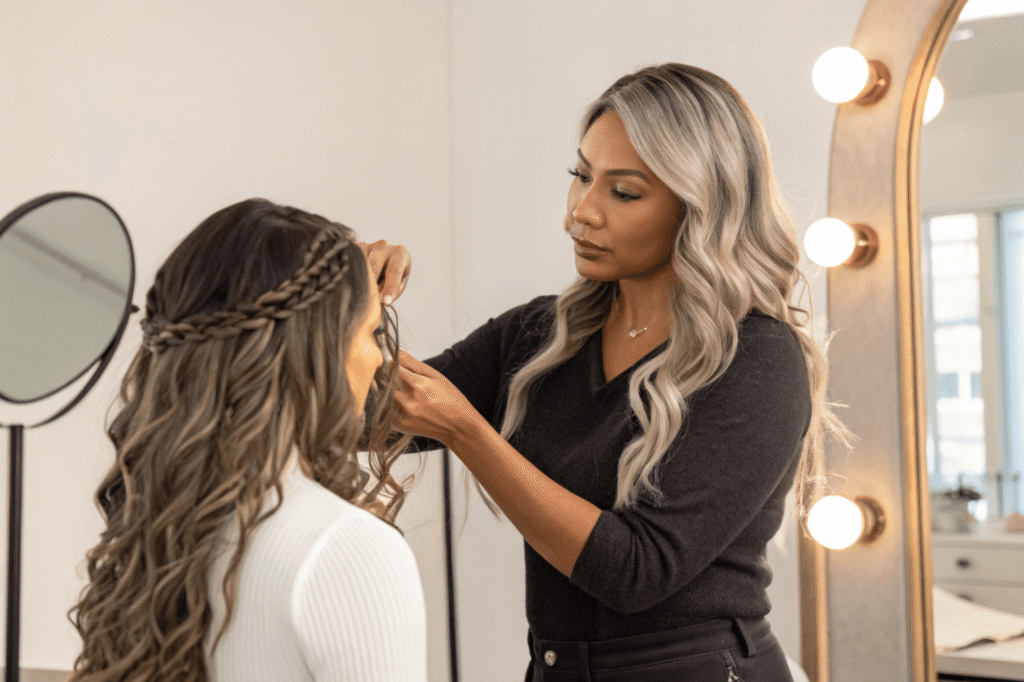
How do I decide between a full wig and clip-in extensions for my salon clients?
The fundamentals (coverage vs enhancement)
- Wigs are full-cap systems; they don’t depend on your client’s density to look full. They can fully replace a hairline, part, and color—especially with a lace front wig or HD lace.
- Clip-in extensions enhance length/volume but need enough healthy, dense hair to anchor and conceal the clips. They don’t hide thinning at the crown or receding hairlines.
When I recommend a full wig
- Significant hair loss or medical thinning (alopecia, postpartum, chemo): ensures coverage and protects fragile follicles.
- Big, fast transformations: going from a bob to 24″ body wave or from rich brunette to icy blonde—no bleach needed.
- Low daily styling: a pre-styled synthetic wig or a human hair wig set on flexi rods saves morning time.
- Protective styling: natural hair braided underneath; the unit shields from heat and manipulation.
When I recommend clip-in extensions
- Client loves their hairline and just wants more fullness or length for events or content days.
- Texture and color match closely to their natural hair for seamless blending.
- They prefer on/off convenience without salon installation or adhesive.
- They want to avoid cap warmth and keep scalp access for frequent workouts.
Practical checks I do behind the chair
- Density test: If I can’t hide three clips around the parietal ridge without seeing hardware through the hair, clip-ins won’t be discreet—go wig or toppers.
- Lifestyle check: Heavy sweaters or hot-climate clients often prefer glueless lace wigs (lighter density, breathable cap) or minimal-piece clip-ins.
- Heat/styling habits: If the client heat-styles daily, a human hair wig takes the damage instead of their bio hair; clip-ins will require heat-matching to blend.
Pros and cons to set expectations
- Wigs: lower daily styling, but require cap sizing, lace customization, and periodic washing of the unit; potential warmth and learning curve securing the hairline.
- Clip-ins: feel lighter and “more like me,” but need careful placement, regular removal, and can tug if overfilled or worn to sleep.
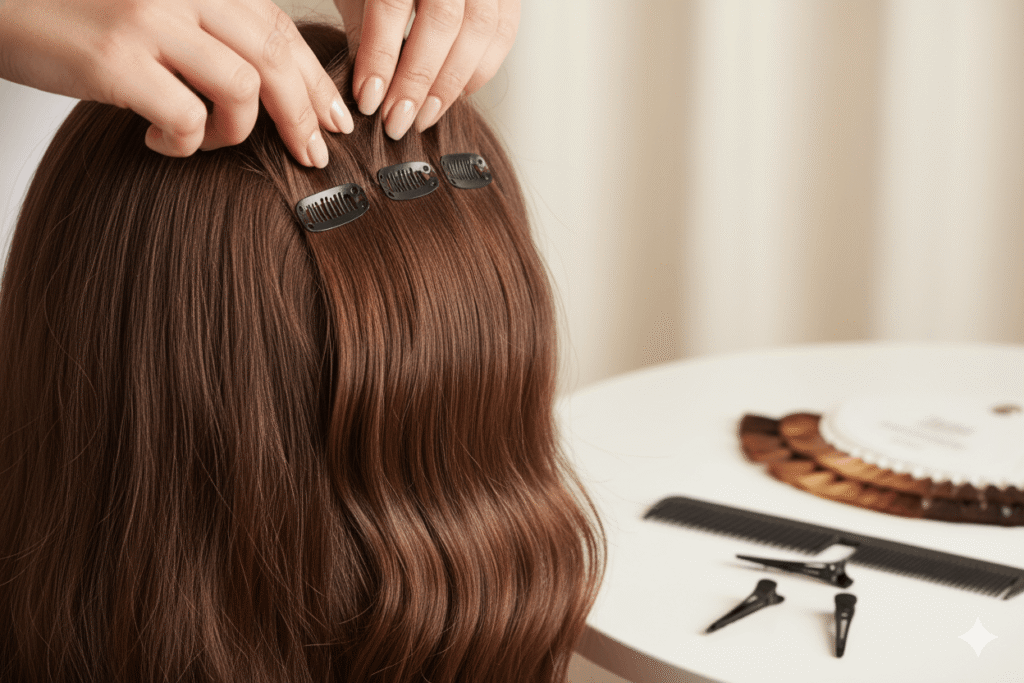
When should I recommend toppers instead of a full wig for partial coverage?
Think of toppers as the happy middle: they camouflage thin areas at the part or crown without covering everything.
Toppers excel when
- Thinning is localized (part line wideness, crown see-through) but the hairline and sides are solid.
- Client wants their natural hairline and nape out for maximum realism and airflow.
- They’re overwhelmed by a full cap but frustrated by clip-ins showing at the part.
When I don’t recommend toppers
- Diffuse thinning across the entire scalp or a receded front hairline—the blend will fail under bright light.
- Ultra-fine hair that can’t tolerate the topper clips—consider a light hold adhesive base or transition to a glueless lace front wig.
Pro fitting tips from my kit
- Base size first, then density: match the topper base to the thinning footprint; choose light-to-medium density to avoid the “helmet” look.
- Part realism: silk-top or mono-top bases mimic scalp; for warm tones, tint the base or use a root powder to melt the part.
- Blending: cut soft face-framing layers on the topper while it’s on your client—never blunt across.
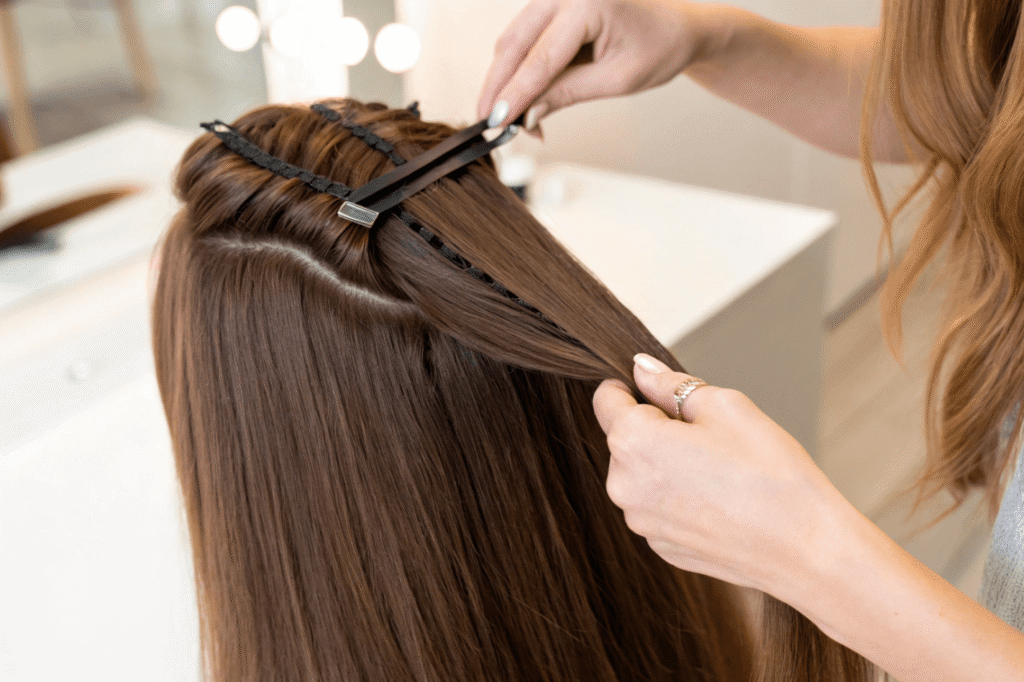
Do I get better ROI with wigs or bundles for my wholesale orders?
I run the numbers with salons and online retailers all the time, and the answer depends on your customer mix and maintenance culture.
Financial snapshot (typical, varies by market)
- Human hair wig (lace front or HD lace): higher upfront cost, higher perceived value, longer unit lifespan with proper wig care and rotation.
- Bundles/extensions (wefts, clip-ins): lower unit cost, but clients repurchase frequently due to re-installs, color refreshes, or upsizing volume.
ROI levers I watch
- Replacement cycle: One quality human hair wig can last 9–18 months with care; clip-ins 6–12 months; sew-in bundles can be reinstalled 2–3+ times if the cuticles are intact.
- Service revenue: Extensions drive recurring install/move-up appointments; wigs drive customization (plucking, tinting, cutting, installs) and retail care kits.
- Returns/complaints: Lace visibility and density mismatches cause wig returns; color/texture mismatch causes extension returns. Stock smart to reduce both.
Wholesale guidance I give buyers
- Mix your SKUs: carry best-selling 13×4 lace front wig lengths/densities plus core bundle lengths in your top three textures. Add a few HD lace hero units for premium buyers.
- Seasonal demand: Event season = clip-ins fly. Summer/hot climates = lighter-density glueless wigs and clip-ins. Fall/winter = more full-cap protective styles.
- Education kits = higher margins: bundle care guides (detangling, sulfate-free wash, heat limits) to reduce shedding/tangling complaints and extend product life.
How do my end users’ styling habits influence whether I stock wigs or extensions?
Styling behavior is the clearest predictor of satisfaction and repeat purchases.
If they heat-style often or color frequently
- Stock more human hair wigs (and some heat-friendly synthetic options). Let the unit take the heat, spare their bio hair. Offer replacement frontals/closures for refreshes.
- Promote HD lace only to clients willing to maintain delicate lace; otherwise, transparent/Swiss lace with good tinting is more durable.
If they want “wash-and-go” minimal effort
- Pre-styled synthetic wigs (low density, lace front) for budget buyers.
- Light-piece clip-ins or halo-style extensions for quick volume without sectioning the entire head.
If they sweat, swim, or live in hot climates
- Glueless lace front wigs with breathable caps and 130%–150% density max.
- Extensions with sweat-safe installs (sew-in, microlinks) and clear aftercare: salt/chlorine rinse, detangle routine, silk wrap at night.
If they love their natural hairline
- Stock toppers and clip-ins first. Market them as “enhancers” not “cover-ups.”
- Carry texture-inclusive lines so blending is easy (kinky coily, blown-out yaki, beach wave, straight).
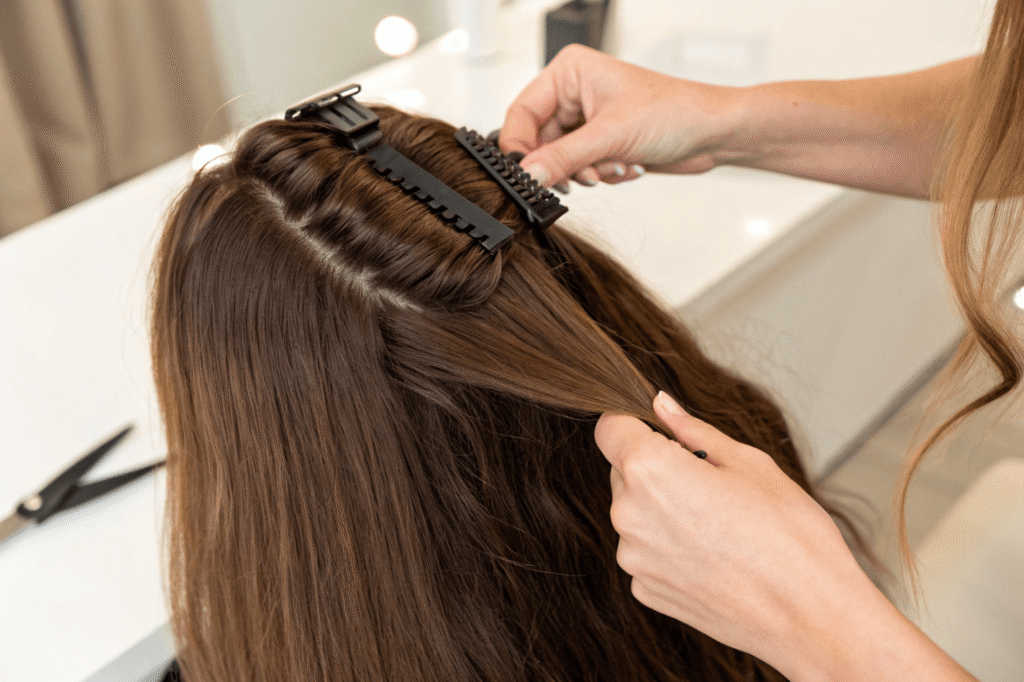
Comparison Table
| Scenario/Goal | Best Choice | Why | Watch-outs |
|---|---|---|---|
| Full coverage, medical thinning | Lace front or HD lace human hair wig | Replaces hairline/part, lowest daily styling | Lace tinting, cap fit, heat in warm weather |
| Dramatic color/length change | Human hair wig (or premium synthetic) | Zero chemical damage, instant result | Density choice, shedding with poor care |
| Occasional glam volume | Clip-in extensions | Fast on/off, budget-friendly | Needs strong blend; don’t sleep in them |
| Long-wear enhancement | Sew-in wefts, tape-ins, microlinks | Weeks of wear, “my hair but more” | Tension risk, maintenance appointments |
| Part/crown thinning only | Topper | Targeted coverage, keeps hairline | Base size/density must match thinning |
| Athletes/hot climates | Glueless low-density wig or minimal-piece clip-ins | Breathable and secure | Sweat-safe aftercare, avoid heavy density |
Conclusion
If you need coverage, a new hairline, or a bold switch with less daily styling, choose a wig—ideally a well-fitted lace front wig or HD lace unit if realism is your priority. If you love your hair and just want “more,” choose extensions—clip-ins for flexibility, sew-ins or microlinks for set-it-and-forget-it wear. For localized thinning, toppers bridge the gap beautifully. As a buyer, blend your assortment: anchor with versatile wigs, add texture-matched bundles for service revenue, and don’t forget toppers for partial coverage clients. The right choice isn’t “which is better”—it’s which is better for this hair, this lifestyle, and this budget.
Optional FAQ
Which wig type looks the most realistic?
A pre-plucked human hair lace front with HD lace looks most skin-like. If clients are rough on lace, transparent/Swiss lace is a more durable compromise.
Are synthetic wigs worth it?
Yes for budget, low-maintenance, and consistent style. Heat-friendly synthetics allow light styling, but they’re more prone to tangling than human hair.
How do I prevent extension damage?
Choose the right method for the hair density, avoid heavy installs, schedule maintenance, and teach nightly detangling and silk wraps. Less tension, longer longevity.
Which offers better long-term value?
One premium human hair wig can outlast multiple extension cycles if cared for. Extensions can win ROI when you monetize regular installs and move-ups. Stock both to serve both buyers.