
I’ve spent years helping salon owners, stylists, and everyday shoppers pick bundles that actually look good, last long, and don’t turn into tangles after two washes. The most common questions I hear are about origin: “Is Brazilian really the best?” “Will Peruvian be too light?” “Is Malaysian too shiny?” “Can Indian hair take color?” What you’re really asking is how each origin will perform for your texture, lifestyle, budget, and styling habits—without shedding, matting, or wasting money.
The best hair origin depends on your natural hair texture, styling goals, climate, and whether you plan to color the hair. Brazilian is durable and versatile, Peruvian is lightweight with volume, Malaysian is silky and frizz-resistant, and Indian is fine-to-medium, adaptable, and great for heat styling. For more strength and low luster, Cambodian and Vietnamese hair are excellent options, especially if you heat style often or plan to lift the color. Matching strand thickness, luster, and curl pattern to your own hair creates the most seamless blend and best results.
In this guide, I’ll unpack what “hair origin” really means, compare popular origins in real-world use, help you align choices with your budget and clientele, and show you how to verify origin claims so you don’t get burned by marketing. By the end, you’ll feel confident choosing bundles that blend naturally, style beautifully, and hold up with proper care.
What does “hair origin” really mean in my bundle purchases?
When brands say “Brazilian,” “Peruvian,” “Malaysian,” or “Indian,” they’re usually describing a hair profile—strand thickness, luster, and natural texture—more than the exact country a donor comes from. True origin can be hard to verify, but these labels have become shorthand in our industry for how hair behaves.
What origin typically signals
- Strand thickness: coarser vs. finer
- Luster: low (matte) to high (shiny)
- Natural pattern: straight, wavy, or curly
- Durability: how it resists frizz, heat, and daily wear
Understanding hair types matters just as much as origin
- Virgin Hair: human hair that’s never been chemically processed; best for long-term wear and coloring.
- Remy Hair: cuticles aligned in the same direction, reduced tangling, smoother feel.
- Non-Remy Hair: mixed cuticle directions; can tangle without heavy processing.
- Raw Hair: minimally processed (no steam or acid baths); strongest, most “true-to-donor” performance.
- Single Donor Hair: cut from one person; extremely consistent texture and color.
- Double Drawn Hair: ends are trimmed to make the bundle fuller from root to tip.
- Steam Processed Hair: patterns (body wave, deep wave, etc.) created with steam; low chemical footprint but not raw.
Quality markers I always check
- Cuticle alignment: rub the strand top to bottom—should feel smooth; bottom to top will feel slightly rough.
- Shedding/tangling: gentle comb-through test; watch for excessive fall-out or snagging.
- Split ends/dryness: examine tips—they should look healthy, not frizzy or brittle.
- Odor: a strong chemical smell suggests heavy processing.
- Heat resistance and dyeing performance: hair should curl/straighten cleanly and lift with minimal brassiness (raw/single-donor hair does best).
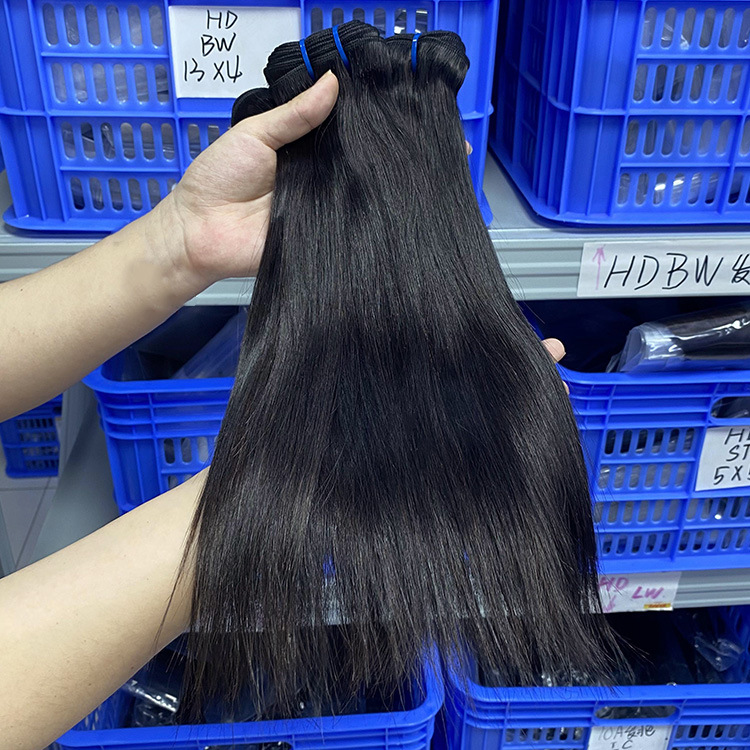
How do Brazilian, Peruvian, Malaysian, and Indian bundles differ in performance for me?
Brazilian Hair: durable, versatile, great for everyday wear
- What I notice: thicker strands, natural density, and strong durability. Works in straight to wavy styles easily.
- Best for: clients who heat style often or want hair that handles active lifestyles. Blends well with medium to coarse textures.
- Pros: holds shape and volume, lower luster (looks natural), hides heat damage better.
- Watch-outs: if you want a super silky finish, Brazilian may feel slightly coarser.
Peruvian Hair: lightweight volume that blends beautifully
- What I notice: feather-light feel with a fuller look; blends well with medium to coarser textures.
- Best for: body wave or loose curls that need to hold without feeling heavy.
- Pros: airy movement, curl retention, comfortable for long wear.
- Watch-outs: if you need sleek, glassy straight styles, Peruvian may not be as polished as Malaysian.
Malaysian Hair: silky, smooth, and humidity-friendly
- What I notice: naturally silky with medium-to-high luster; resists frizz in humid climates.
- Best for: sleek straight styles and body wave looks that need stay-smooth performance.
- Pros: polished finish, great in moisture-heavy environments.
- Watch-outs: higher shine can look “too perfect” on very coarse natural hair without blending; choose lower-luster options if needed.
Indian Hair: fine-to-medium, adaptable, and color-friendly
- What I notice: soft, natural wave with flexible styling; takes heat well and blends with many hair types.
- Best for: frequent heat styling, subtle waves, and color services (especially if you choose raw/single-donor).
- Pros: versatile, natural movement, excellent for highlights/lifting with proper care.
- Watch-outs: finer strands may show damage faster if over-processed—use heat protectant and deep conditioning.
Comparison at a glance
| Origin | Strand Thickness | Luster | Frizz Resistance | Curl Hold | Color/Lift Performance | Lifestyle Fit |
|---|---|---|---|---|---|---|
| Brazilian | Medium–Coarse | Low–Medium | Good | Good | Good (raw is best) | Active/heat styling, everyday wear |
| Peruvian | Medium | Low–Medium | Moderate | Strong | Good | Lightweight volume, long wear |
| Malaysian | Medium | Medium–High | Excellent | Moderate | Moderate | Humid climates, sleek looks |
| Indian | Fine–Medium | Medium | Moderate | Moderate | Excellent (raw/single) | Versatile styling, color services |
Care quick tips (for all origins)
- Wash weekly or bi-weekly with sulfate-free shampoo; deep condition every 1–2 weeks.
- Use heat protectant; keep temps under 400°F (around 200°C) for longevity.
- Air-dry when possible; detangle from ends up; store on hanger or mannequin head.
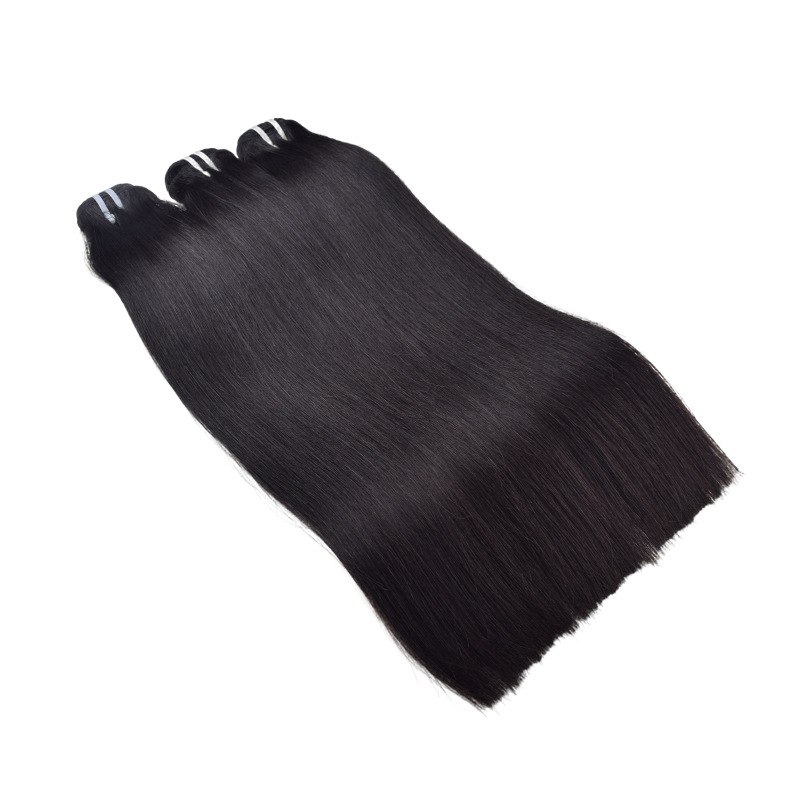
Which origin aligns with my budget, styling goals, and customer base?
I match origin to three things: your natural hair texture, your desired finish, and how you plan to style or color.
How I recommend origins by goal
- Seamless blend for medium/coarse hair: Brazilian or Peruvian (strand thickness and natural density match well).
- Sleek, polished straight looks (especially in humidity): Malaysian.
- Frequent heat styling and color work (balayage, highlights): Indian raw or single-donor; Vietnamese raw also performs beautifully.
- Low-luster, textured blends that hide wear-and-tear: Brazilian, Cambodian, or Vietnamese.
- Lightweight volume for long installs: Peruvian.
Budget and value guidance
- Mid-range, everyday salon installs: Brazilian or Peruvian Remy offer strong value.
- Sleek premium finishes: Malaysian, ideally double drawn for full ends.
- Color-focused premium services: Indian or Vietnamese raw/single-donor for cleaner lifts and stronger cuticles.
- High-durability, textured looks: Cambodian (coarser, strong, low luster) for longevity.
Best origin by goal and budget
| Goal/Use Case | Budget Level | Recommended Origins | Why It Works |
|---|---|---|---|
| Daily wear + heat styling | Mid | Brazilian, Vietnamese | Durable strands, lower luster hides wear |
| Lightweight volume without bulk | Mid | Peruvian | Fuller look with less weight |
| Sleek straight/body wave in humidity | Mid–High | Malaysian | Naturally silky, frizz-resistant |
| Highlights/lifting to lighter shades | High | Indian (raw/single-donor), Vietnamese (raw) | Strong cuticles, cleaner lifts, less brassiness |
| Textured, low-luster blends (coarse hair) | Mid–High | Cambodian, Brazilian | Coarser feel, longevity, natural look |
| Ultra-full ends (glam looks) | Mid–High | Double Drawn variants (any origin) | Fuller from root to tip, less thinning |
Pro salon tip: if you style with heat frequently, pick lower-luster, stronger origins (Brazilian, Cambodian, Vietnamese). They stay looking natural longer and don’t highlight minor heat damage the way shinier hair can.
How do I verify real origin claims and choose a trustworthy supplier for my needs?
The truth: “origin” is often a texture profile rather than a strict country of collection. So I verify claims by focusing on quality markers and transparency rather than just the label.
My supplier checklist
- Ask for hair type specifics: virgin vs. raw, single donor, Remy cuticle alignment, and whether the pattern is steam processed.
- Request small samples: evaluate strand thickness, luster, tangling, shedding, and odor at home.
- Perform a light color test: lift a small section to level 6–7; watch for excessive brassiness or breakage (raw/single-donor does best).
- Examine wefts and bundles: tight, clean stitching; minimal short hairs; consistent texture from root to tip.
- Documentation and consistency: vendors who can explain sourcing methods and deliver consistent batches earn my trust.
Claim vs. what I check
| Marketing Claim | What I Check | Red Flags |
|---|---|---|
| “100% Brazilian/Peruvian/Malaysian” | Strand profile matches typical origin traits | Extremely high shine on “Brazilian,” etc. |
| “Raw/Single Donor” | Consistent color/texture across the bundle | Mixed textures, excessive short hairs |
| “Remy” | Smooth in cuticle direction; minimal tangles | Rough both ways, frequent matting |
| “Great for coloring” | Clean lift test; intact feel after processing | Strong chemical odor, gummy texture |
| “Double Drawn” | Fullness from root to tip | Thin ends, big drop-off at the last 4–6” |
For salons and resellers
- Standardize testing: comb-through, wash, air-dry, light lift, and curl test across all incoming batches.
- Keep client profiles: match origins to typical local textures and climate; stock 2–3 core origins that cover 80% of requests.
- Build trust slowly: start with small orders, validate consistency over 2–3 restocks, then scale.
For end consumers
- Buy from vendors with clear return policies and real photos/videos.
- Order a single bundle or sample first; wear-test for a week before a full install.
- Match your own strand thickness and luster to the origin for the most natural blend.
Conclusion
There’s no one-size-fits-all “best” origin—there’s the best origin for your hair, lifestyle, and styling plans. Brazilian gives you durability and everyday versatility, Peruvian offers lightweight volume, Malaysian keeps things sleek and frizz-resistant, and Indian adapts beautifully to heat and color. If you need strength and low luster, don’t overlook Cambodian and Vietnamese, especially for frequent heat styling or color lifts. Focus on quality markers (virgin, raw, Remy cuticle alignment, single donor, consistent wefts), test small samples, and choose origins that mirror your own strand thickness, luster, and natural pattern. That’s how you get bundles that blend seamlessly, style beautifully, and truly last.
Futher Reading: https://biwinco.com/human-hair-bundles-ultimate-buying-guide/