
I’ve helped thousands of first-time bundle buyers—clients, salon owners, and online sellers—navigate that “which texture should I start with?” decision. The biggest worries I hear are about tangling, shedding, time spent styling, and whether the hair will still look good after a few weeks. I get it—no one wants to fight with hair every morning or waste money on bundles that don’t last. From my hands-on experience, the texture you start with can make your whole install easier, faster, and more enjoyable.
The best beginner-friendly texture is straight hair, with body wave as a versatile second option. Straight bundles tangle less, lay sleek, and require minimal daily styling skills. Body wave gives soft, wearable waves that can be worn wavy or flat-ironed straight, making it flexible and low-maintenance. Loose wave is slightly higher maintenance but still beginner-friendly with the right routine.
In this guide, I’ll break down which textures are easiest to install, style, and care for, how straight/body wave/loose wave compare, the right lengths and bundle counts to start with, and where to find reliable beginner deals with solid support. If you’re a salon stocking starter-friendly options or an individual buying your first bundles, you’ll walk away confident and ready to choose.
Which textures are easiest for me to install, style, and maintain?
When you’re new, simplicity matters. In my experience, the ease-of-use ranking is:
- Easiest: Straight
- Easy and versatile: Body Wave
- Moderate: Loose Wave
- Higher maintenance: Deep Wave, Curly
- Most demanding: Coily/Kinky Curly
Straight hair has smooth cuticles and minimum friction, so it resists tangling and responds well to simple routines (quick brush, light serum, wrap at night). Body wave adds a soft “S” pattern that you can set overnight with flexi rods or braids—no daily hot tools required. Loose wave keeps more defined curls than body wave, so it needs a bit more hydrating products and detangling. Deep wave/curly/coily bring gorgeous volume and definition but demand consistent moisture, careful detangling, and mindful nighttime protection—great looks, but more work for beginners.
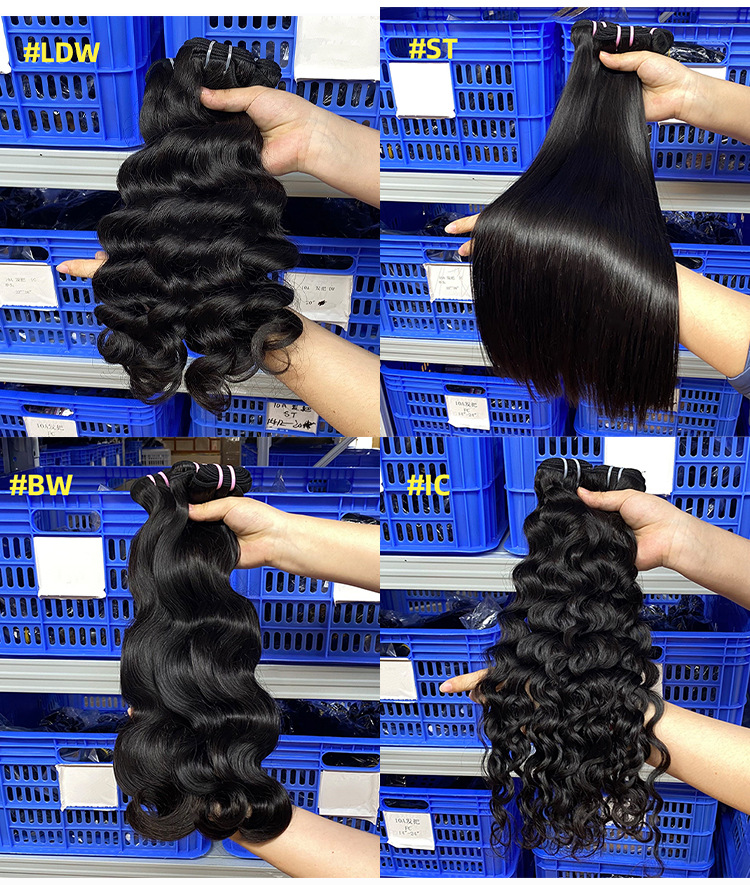
Skill level vs. texture at a glance
| Texture | Install Ease | Daily Maintenance | Tangling Risk | Best For | Key Tips |
|---|---|---|---|---|---|
| Straight | Very easy | Very low | Lowest | Sleek looks, heat-styling fans | Wrap at night; use light serum; brush from ends up |
| Body Wave | Easy | Low | Low–moderate | Versatile styles with minimal effort | Flexi rods/braid outs; avoid heavy oils; can flat-iron straight |
| Loose Wave | Moderate | Moderate | Moderate | Soft curls without deep definition | Hydrate lightly; finger detangle; use mousse or lightweight curl cream |
| Deep Wave/Curly | Challenging | High | Higher | Big volume and high definition | Regular co-washing; detangle wet with conditioner; avoid rough brushing |
| Coily/Kinky Curly | Most complex | High | Higher | Natural-looking coils | Moisturize frequently; manage shrinkage; use wide-tooth comb only |
Hair type matters, too
- Virgin remy hair is the easiest for beginners to style, color, and heat-style—cuticles aligned, less tangling, and better longevity than synthetic or non-remy blends.
- Non-remy hair (mixed directions) can tangle quickly, which adds frustration.
- Raw hair (minimally processed) is beautiful but can be “stubborn” and require more skill to style daily.
- Steam-processed textures are set with heat/steam to create waves or curls—care is similar to their pattern (wavier = more moisture).
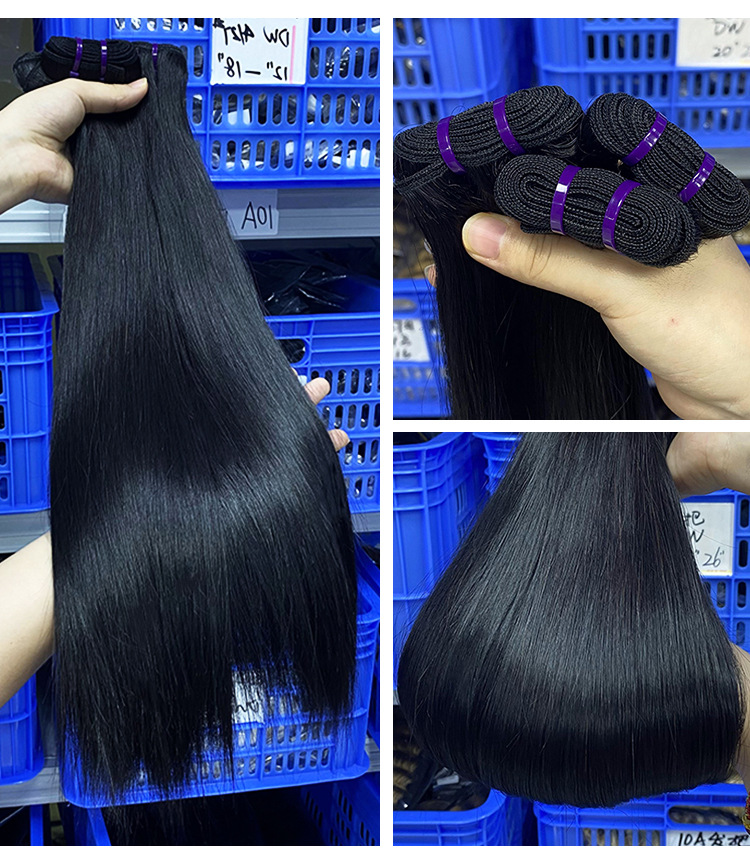
- Double drawn bundles (more even ends) look fuller and typically need fewer layers to shape.
Origins simplified
- Brazilian/Peruvian: Soft, easy-to-blend, great for straight/body wave; good for beginners.
- Indian: Natural luster and wave; comfy for body/loose wave.
- Cambodian/Vietnamese: Denser strands and strong cuticles; sleek looks that hold style well.
- Burmese: Fluffy fullness; beautiful for curly/wavy but higher daily care.
If you have a sensitive scalp or a tight schedule, pick looser textures (straight or body wave) and avoid tiny track sections—larger weft sections reduce manipulation time and tension during installs.
How do straight, body wave, and loose wave compare for me as a beginner?
These three are my go-to “starter” textures. Here’s how they stack for everyday wear, blend, and maintenance.
| Factor | Straight | Body Wave | Loose Wave |
|---|---|---|---|
| Install speed | Fastest | Fast | Moderate |
| Daily styling effort | Lowest | Low | Moderate |
| Blend with leave-out | Easy if your hair is smooth/relaxed | Easy for many natural textures | Easy with light wave leave-out |
| Heat-styling compatibility | Excellent (flat irons/blowouts) | Excellent (can wear wavy or flat iron straight) | Good (responds to heat but prefers light setting) |
| Holding curls | Needs product to hold | Holds curls better than straight | Holds curls best of the three |
| Tangling/shedding | Lowest | Low | Low–moderate (keep it hydrated) |
| Versatility | Sleek, silk press looks | Everyday glam: beachy waves to straight | Romantic curls; can be brushed into soft waves |
| Night routine | Simple wrap or bonnet | Flexi rods/braid outs or bonnet | Pineapple or loose braids + bonnet |
My rule of thumb:
- If you love sleek looks and use hot tools, start with straight or body wave.
- If you want low daily effort but some wave, choose body wave and set overnight with flexi rods or two braids.
- If you prefer soft curls and don’t mind light hydration/detangling, loose wave is a fun step up.
For sew-ins with leave-out, match the bundle texture to your natural hair pattern. If your leave-out is coarser, lightly blow out and flat iron to blend with straight or body wave. If you’re worried about blend, consider a closure or frontal for a protective, beginner-proof install.
What lengths and densities should I start with to avoid mistakes in my first install?
Starting simple helps you avoid tangles, product overload, and styling fatigue.
Beginner-friendly length picks
- 12–16 inches: My favorite starter range. Easy to manage, faster to style, and less likely to tangle.
- 18 inches: Still beginner-friendly if you’re comfortable with a little extra care.
- 20 inches and beyond: Beautiful but higher maintenance—more brushing, more product, more time.
Bundle count guidance
Most bundles are ~100g each. Here’s a reliable starting point:
- 12–14 inches: 2–3 bundles (straight/body wave), 3 bundles (loose wave)
- 16 inches: 3 bundles (all three textures)
- 18 inches: 3 bundles (straight/body wave), 3–4 bundles (loose wave)
- 20–22 inches: 3–4 bundles (straight/body wave), 4 bundles (loose wave)
Tips:
- Smaller head? Lean toward the lower end of the bundle count.
- Want a full look? Choose double drawn bundles or add 1 extra bundle.
- Sensitive scalp? Avoid overly thick tracks and heavy densities; tension adds discomfort.
Density and fullness without frustration
- Double drawn hair delivers fuller ends—great for beginners who don’t want to do lots of trimming.
- Aim for a natural fullness, not super-thick “event hair,” for your first install; it’s easier to handle and style.
- Keep your layers soft and minimal—layering too much can complicate daily styling.
Closure vs. leave-out
- Leave-out: Easiest if your natural hair matches the texture. Straight and body wave blend most seamlessly.
- Closure (4×4 or 5×5): Beginner-friendly if you want a protective style and consistent blend.
- Frontal (13×4): Gorgeous but higher skill to install and maintain daily.
Where can I get beginner-friendly bundle deals and after-sales support for me?
Whether you’re a stylist stocking starter options or a first-time buyer, look for sellers who educate and support you after purchase.
What I look for in a beginner-friendly seller
- Clear hair type labeling: “Virgin remy,” “raw,” “double drawn,” “steam processed”—no vague grades.
- Honest origin descriptions: Brazilian/Peruvian/Indian/Cambodian/Vietnamese/Burmese with texture notes.
- Texture matching help: Chat or video consultations to match your leave-out or recommend closures.
- Care guides and tutorials: Washing, detangling, wrapping, and product suggestions.
- Fair policies: 14–30 day returns/exchanges on unused hair; responsive after-sales support.
- Starter bundle deals: 2–3 bundle packs with closures, plus combs/bonnets or care kits.
Buying channels I’ve had success with
- Reputable online hair retailers that offer live chat, clear product pages, and care guides.
- Local boutique beauty stores or salons that let you touch the hair, check wefts, and ask questions.
- Verified marketplace sellers with photo/video proofs, consistent reviews, and transparent policies.
Red flags to avoid
- “Too perfect” marketing with vague “12A/13A/diamond grade” claims and no specifics.
- Strong chemical odor, stiff feel, or excessive coating (can hide lower-quality hair).
- No return policy, no customer support, and inconsistent product photos.
Starter shopping checklist
- Choose virgin remy straight or body wave, 12–16 inches, 2–3 bundles.
- If you’re heat-styling: add a heat protectant; if you want waves: pick body wave and flexi rods.
- Ask the seller for install and maintenance tips specific to your texture.
- Keep a simple kit: sulfate-free shampoo, moisturizing conditioner, lightweight leave-in/mousse, argan or jojoba serum, wide-tooth comb, bonnet/satin pillowcase.
Conclusion
As a beginner, straight bundles are the easiest and most forgiving—minimal tangling, fastest installs, and simple daily care. Body wave is the perfect versatile second choice if you want soft waves without high maintenance, and loose wave works when you don’t mind a touch more hydration and detangling. Start with 12–16 inches, 2–3 bundles, and consider a closure if you’re worried about blend. Choose virgin remy hair for smoother styling and better longevity, match your texture to your leave-out when applicable, and shop with sellers who provide education and after-sales support. With the right texture and setup, your first install can be low-stress, beautiful, and long-lasting.
Futher Reading: https://biwinco.com/human-hair-bundles-ultimate-buying-guide/