
I get this question almost daily from stylists, salon owners, and first-time buyers: “What does 8A, 10A, 12A actually mean?” I’ve spent years testing bundles, visiting vendors, and troubleshooting installs, so I know how confusing hair grades can be. You’re trying to figure out if the hair will last, if the ends will be full, if it’ll shed or tangle, and whether paying more for a higher “A” grade is truly worth it. Let me break it down in plain language, with the exact tests I use to separate real quality from fancy labels.
Hair grades (like 8A–12A) are marketing labels, not an industry standard. Higher numbers usually imply fuller ends, better cuticle alignment, and fewer short hairs—but vendors define grades differently. What matters more is the hair’s cuticle integrity, drawn ratio (single vs double drawn), processing history, and your supplier’s consistency. Always verify claims with simple tests before you buy, and treat grades as a starting point—not the final verdict.
In this guide, I’ll explain what grade numbers usually mean today, how they relate to cuticle alignment and drawn ratio, which factors truly affect lifespan, and how to test bundles yourself before committing. I’ll also help you decide when to pay for “higher grade” and when to prioritize supplier reliability so you protect your money and your clients’ trust.
What do grades like 8A–12A actually mean for my bundle purchases today?
In my experience, the “A” grades are a vendor’s way of ranking their own inventory. One seller’s 10A can perform like another seller’s 12A. So I read grades as clues, not facts. Here’s how those clues usually translate in today’s market:
- Higher grade numbers often mean:
- Fuller ends (higher drawn ratio, often double drawn or super double drawn)
- Better cuticle alignment (more Remy/virgin content)
- Fewer short hairs and split ends, more consistent texture
- Better dye/bleach tolerance (if truly cuticle-intact and minimally processed)
- But grades don’t tell you:
- How much chemical processing was done (acid baths, heavy silicone, over-bleaching, steam texturing)
- Whether it’s genuinely Remy or virgin
- The exact lifespan you’ll get in real life
Below is a practical, non-standardized snapshot of how “grade bands” often behave when the hair is truly Remy and minimally processed. Use this within the same supplier (apples-to-apples), not across different vendors.
| Grade band (typical today) | Drawn level (ends) | Cuticle/quality claim | Dye/bleach tolerance | Typical lifespan with proper care | Best use case |
|---|---|---|---|---|---|
| 8A–9A | Single to mixed drawn; ends thinner | Mixed Remy; may include some processed fibers | Low–moderate (semi-permanent color OK; avoid high-lift bleach) | 4–10 months | Budget installs, short-term looks |
| 10A | Mostly double drawn; ends look decent | Remy, better alignment, fewer short hairs | Moderate (can color; careful with bleach) | 8–16 months | Everyday wear, resell clients, good value |
| 12A+ | Double/super double drawn; full ends | True cuticle-intact Remy or virgin claims | Higher (takes color better; strand-test bleach) | 12–24+ months | Premium bundles, repeat reuse, pro clients |
Note: Raw, single-donor, and true virgin hair can outperform any “grade,” but those terms are separate from the A-scale. Raw/virgin quality often lasts longest if the wefts are well-constructed and you care for the hair properly.
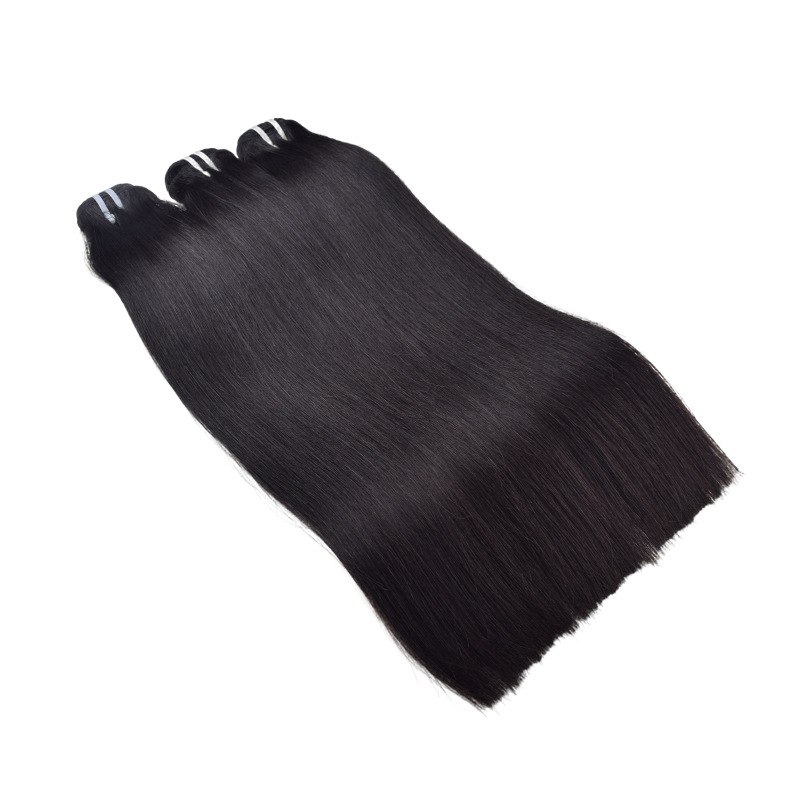
How do grades relate to cuticle alignment, drawn ratio, and lifespan for me?
Here’s how I explain the three most important quality pillars—and where grades fit in.
Cuticle alignment (Remy vs non-Remy)
- What it means: In Remy hair, all strands run root-to-tip in the same direction with the cuticle intact. This alignment reduces friction, tangling, and matting. Non-Remy or acid-processed hair often has disrupted or stripped cuticles.
- Where grades fit: Higher grades usually “promise” better alignment, but I always test it (see tests below). True Remy/virgin hair should resist matting and handle moderate color better than non-Remy of the same grade.
Drawn ratio (single vs double drawn)
- What it means: Single drawn means a wider mix of strand lengths—thinner ends even if the bundle weighs 100 g. Double (or super double) drawn means more strands are near the stated length, giving thicker, fuller ends.
- Where grades fit: Higher grades tend to be double drawn. Fuller ends are the most obvious difference you’ll see and feel.
Lifespan (what you actually care about)
- What it depends on:
- Cuticle integrity (Remy/virgin lasts longer)
- Processing history (steam texturing is gentler than bleaching; heavy silicone coatings wash off and can reveal dryness later)
- Weft construction (tight, even stitches reduce shedding)
- Your care routine (co-wash, heat protection, satin storage)
- Where grades fit: At best, grades approximate the above. In practice, I’ve had “10A” from a great supplier outlast a “12A” from a vendor who over-processed the hair.
Quick note on fullness and bundle count:
- A standard bundle is ~100 g. Longer lengths look thinner at the ends, regardless of grade. As a rule of thumb:
- 12–16 inches: 2–3 bundles for a full sew-in
- 18–22 inches: 3 bundles (sometimes 4 for extra volume)
- 24–30 inches: 4+ bundles
- Double drawn can reduce how many bundles you need for fullness, but don’t under-order for longer lengths.
How can I verify grade claims with real quality tests before I buy?
I never rely on the label alone. Here’s my field-tested checklist you can run on samples or first orders.
Before-install tests (fast and revealing)
- Visual and feel check
- What I want: Consistent texture, minimal gray or short flyaway hairs, natural low-luster (unless specified otherwise).
- Red flags: Glassy silicone shine, chemical/acid odor, sticky residue, split ends out of the pack.
- Cuticle direction test
- Pinch a small section and slide your fingers up and down. It should feel smoother root-to-tip than tip-to-root if cuticles are aligned.
- Co-wash test
- Gently wash with a sulfate-free shampoo and conditioner. True quality keeps its texture and softness after the coating rinses off. If it feels dry or tangly after one wash, coatings may have been hiding damage.
- Shed count
- Comb through each bundle 10 strokes with a wide-tooth comb. A few strands are normal; dozens per bundle are not (especially if the weft is poorly sealed).
- Weft inspection
- Look for tight, uniform stitches and minimal bearding. Loose wefts = shedding later.
- Burn strand test (human vs synthetic blend)
- Snip 2–3 shed strands. Human hair burns to ash and smells like burnt hair; synthetics melt and bead with a chemical smell.
- Dye/bleach strand test
- Mix a small test (e.g., 20-volume developer + bleach) on a few strands for 10–15 minutes. Quality Remy should lift gradually without turning to mush or smelling extremely acidic. If you only color, do a semi-permanent dye test for uptake.
- Heat test
- Pass a flat iron at 370–400°F on a small section. Human hair tolerates heat better; excessive smoke or a plastic smell suggests heavy coating or synthetic content.
Simple smell and residue checks
- Chemical/acid smell can indicate aggressive cuticle stripping.
- Excessive silicone makes hair slippery at first but may mask dryness that appears after 1–2 washes.
Paper trail matters
- Ask for gram weight, length distribution (drawn level), origin type (e.g., Vietnamese/Cambodian), and processing disclosures (steam vs bleach).
- Confirm return/replace policy in writing.
- Read reseller reviews and request recent client photos/videos—co-wash results are most honest.
Here’s a handy quick-reference table:
| Test | What I want to see | Red flags |
|---|---|---|
| Cuticle direction | Smoother root→tip | Feels the same both ways (possible stripped cuticles) |
| Co-wash feel | Soft, manageable, texture stays true | Dry, rough, tangles after 1 wash |
| Shed count | A few strands max per 10 strokes | Clumps of hair, loose weft threads |
| Burn test | Ash, burnt hair smell | Melting beads, plastic odor |
| Dye/bleach strand | Gradual lift, intact strand | Gummy, breaks fast, strong chemical smell |
| Odor/residue | Neutral, clean | Acidic smell, slick coating that won’t rinse |
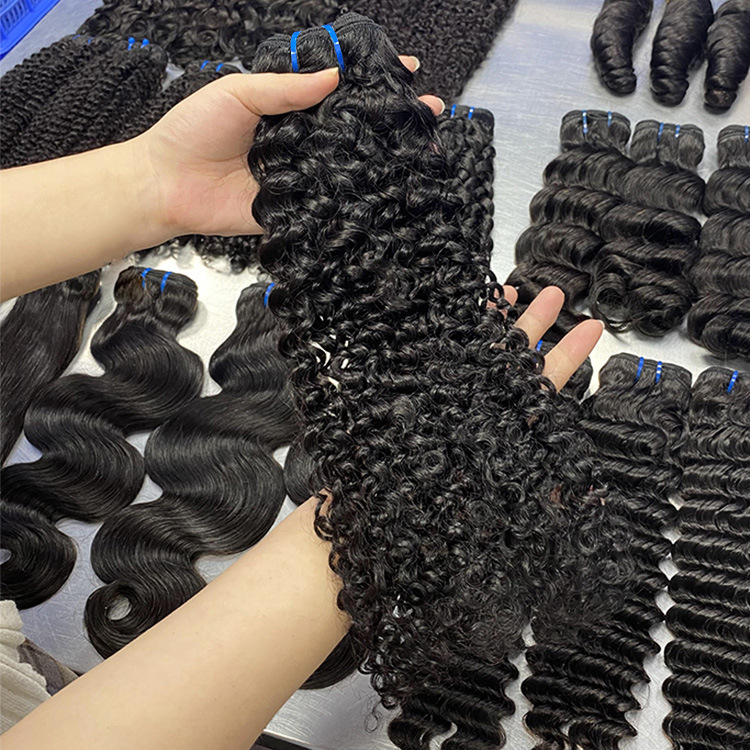
Should I pay more for higher grades, or focus on my supplier’s reliability?
Short answer from my chair: pay for the supplier, validate the hair. Grades only help when you’re comparing options within the same vendor.
Here’s how I advise different buyers:
If you’re a salon, stylist, or reseller
- Prioritize consistency. A reliable 10A from a proven supplier often outlasts a random “12A” with inflated claims.
- Build a supplier scorecard:
- 40% hair performance (your tests + client feedback)
- 25% consistency across batches
- 20% customer service/returns
- 15% value (price vs lifespan)
- ROI mindset: If “10A” lasts 12–16 months with two or three client reuses, it can beat “12A” that looks great for two installs then dries out.
- Stock plan I use:
- Everyday line: solid 9A–10A double drawn for mainstream clients
- Premium line: true Remy/virgin 11A–12A for color clients and repeat installs
- Negotiate sample orders and require transparency on processing (especially for blonde/613 and curly textures, which are more processed).
If you’re an end consumer
- Buy from a seller with real-life reviews and co-wash photos.
- If budget allows, step up one grade within a trusted supplier (e.g., from 9A to 10A) before jumping to the highest grade number on the internet.
- If you plan to color or wear long term, pay for verified Remy/virgin quality and double drawn ends—then maintain it properly.
When to pay more for higher grades
- You need full ends (long lengths, glam looks)
- You plan to color/bleach and need intact cuticles
- You expect 12–24+ months of wear and multiple re-installs
When not to chase the top grade
- The supplier can’t back claims with samples, strand tests, or a return policy
- You only need hair for a short-term style
- The “12A/15A” is suspiciously cheap compared to the market
Remember: “Virgin” = unprocessed, single-donor; “Remy” = cuticle-aligned; “Double drawn” = fuller ends. These qualities matter more than the “A” number alone, and heavy chemical processing can downgrade any grade’s real-world durability.
Conclusion
Grades are marketing shortcuts, not universal standards. I treat 8A–12A as hints: higher numbers usually mean fuller ends and better cuticle alignment, but I never buy on the label alone. Real quality shows up in cuticle integrity, drawn ratio, processing history, weft construction, and how the hair performs after a co-wash, a comb-through, a heat pass, and a quick dye/bleach strand test. For salons and serious wearers, a reliable supplier plus verified Remy/virgin, double drawn bundles will beat inflated grades every time. Pay for consistency, confirm with tests, and enjoy hair that looks good beyond the first install.
Futher Reading: https://biwinco.com/human-hair-bundles-ultimate-buying-guide/