
I’ve sourced, tested, worn, and sold more human hair bundles than I can count—Remy, virgin, and raw hair, across straight, body wave, deep wave, and curly textures. I’ve worked with salon owners, independent stylists, and first-time buyers who just want full, natural-looking hair without wasting money. Over the years I’ve learned that choosing between machine weft and hand-tied wefts isn’t just a technical detail—it directly affects comfort, longevity, styling freedom, service time, and repeat-purchase satisfaction.
Choose machine weft if you want lower cost, easy customization (cut-to-fit), and high durability/volume; choose hand-tied if you need a flatter, lighter install for fine or sensitive scalps, super-discreet ponytails, and the most seamless blend. Both are available in premium human hair bundles (Remy, virgin, raw); your lifestyle, budget, and install method decide the win.
Let’s break down how the construction differs, what you’ll feel day to day (shedding, flexibility, install methods), which option is healthier for your scalp and best for your desired styles, and how pricing, MOQ, and maintenance compare—whether you’re buying for personal wear, your salon, or bundle hair wholesale for resale.
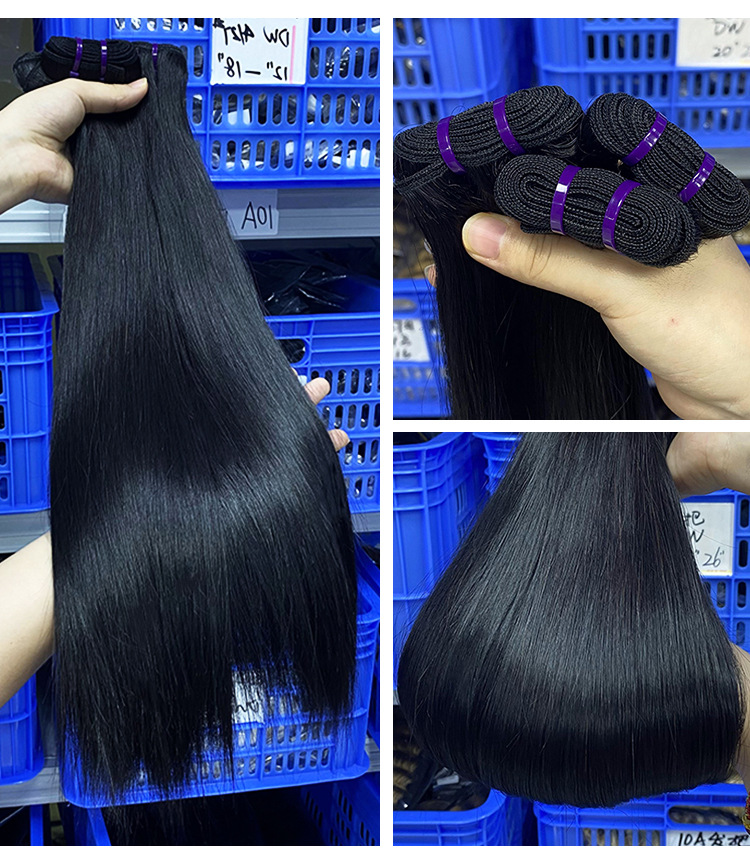
What are the construction differences between machine weft and hand-tied for my installs?
I like to start with the seam because it determines how the hair sits, how you cut it, and what you can get away with during installs.
- Seam profile
- Machine weft: Thicker, slightly bulkier seam. The stitch is reinforced by machine, which makes the track sturdy and able to carry higher hair density. Insight 1 and 5.
- Hand-tied: Flatter, slimmer seam that lays close to the scalp for a super low-profile finish. Great for ultra-natural installs. Insight 1 and 5.
- Cutting rules
- Machine weft: You can cut tracks to custom widths with minimal shedding if you use a quality weft sealer and fold the ends cleanly. This is ideal for quick modifications, stack layering, and paneling around closures and frontals. Insight 2.
- Hand-tied: Do not cut the weft—cutting causes unraveling. Hand-tied tracks must be folded at corners or layered. If you’re new to wefts, this is the most common mistake I see. Insight 2.
- Density per track
- Machine weft: Handles higher hair density per track and stacks well for volume installs (think glam body wave bundles or long straight hair bundles at high gram weight). Insight 5.
- Hand-tied: Usually lighter per track, meant to distribute weight evenly in multiple narrow, flat rows for a “grows-from-scalp” look. Insight 4 and 5.
- Hair quality compatibility
- Both weft types can be produced in Remy hair, virgin hair bundles, or raw hair bundles. The weft type doesn’t determine hair grade—but I’ve seen cuticle alignment and processing level affect longevity much more than stitch type. Many first-time buyers overlook this detail.
Real talk from the chair: I’ve tested bundles that looked amazing initially but didn’t hold up after a few washes. In almost every case, the issue wasn’t the weft style; it was over-processing, poor cuticle alignment, or inconsistent density.
How do they compare in shedding, flexibility, and install methods for me?
- Shedding control
- Machine weft: Minimal shedding when cut if you seal the weft. It’s also more forgiving with routine brushing and frequent washing. Insight 2 and 10.
- Hand-tied: Less forgiving if mishandled—don’t cut the weft, avoid aggressive brushing at the seam, and keep tension controlled during installs.
- Flexibility for styling changes
- Machine weft: The most flexible option. You can cut to width, add/replace tracks fast, and perform quick repairs. If you like frequent style changes or run a busy salon with quick turnarounds, machine wefts reduce maintenance overhead. Insight 8 and 10.
- Hand-tied: Best for consistent wear patterns. It shines when you keep the same track layout—especially for ultra-flat looks and sleek ponytails where detectability matters. Insight 7.
- Install methods and skill level
- Hand-tied installs: Commonly beaded (beaded weft/row) or sewn onto a beaded foundation. They require advanced skill, careful tension mapping, and more salon time. Expect longer appointments but a refined, seamless finish. Insight 6.
- Machine weft installs: Traditional braided sew-ins, braidless sew-ins, or quick-weave methods. Faster to install and more beginner-friendly for new stylists or DIY users. Insight 6.
- Daily performance
- Hand-tied: Flatter base reduces detectability and tension at the roots—great for high ponytails, half-up looks, and gym life. Insight 7.
- Machine weft: Strong, resilient seams that stand up to daily wear and routine brushing; great cost-per-wear. Insight 10.
Pro tip for mixed methods: I’ll often pair machine-weft body wave bundles with a 5×5 closure for speed and durability, and reserve hand-tied rows around the crown or hairline for clients who need the flattest possible finish. This hybrid approach can maximize both naturalness and efficiency.
Which weft type is better for my clients’ scalps and desired hairstyles?
- Scalp sensitivity and hair type
- Fine or fragile hair, sensitive scalps, or clients prone to traction: Hand-tied is typically lighter, lays flatter, and distributes weight more evenly—reducing pull at the follicles. Insight 4 and 9.
- Medium to thick hair or clients requesting dense installs: Machine wefts provide stronger support for higher density per track and handle stacking without puckering. Insight 4 and 5.
- Desired hairstyles
- Sleek, tight ponytails, bobs with tucked ends, or “I don’t want to feel it” installs: Hand-tied. The low profile is a game-changer. Insight 7.
- Big glam volume, long lengths, or frequent texture changes (straight to curls, etc.): Machine weft. Easier to adjust, layer, and replace individual tracks to fine-tune shape. Insight 5 and 8.
- Texture selection notes (applies to both weft types)
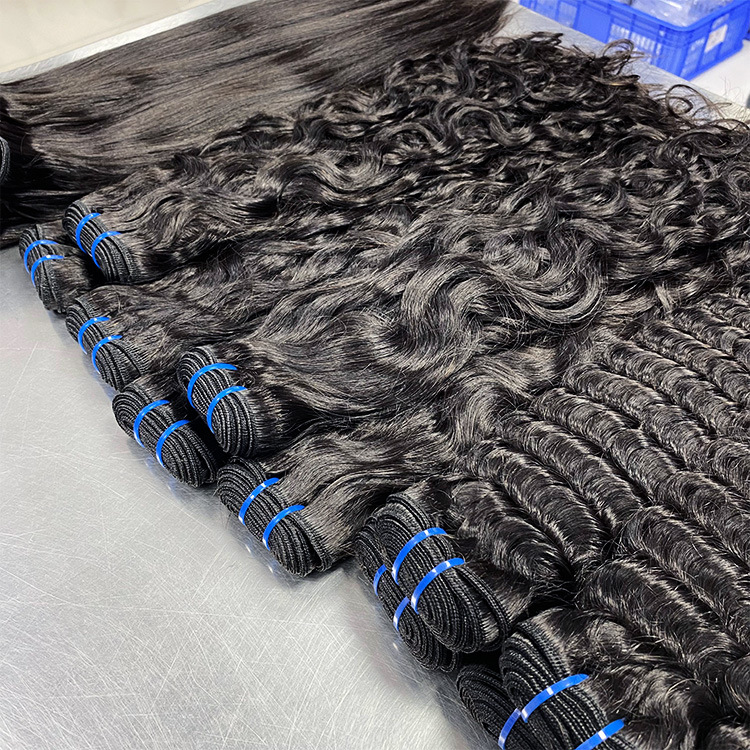
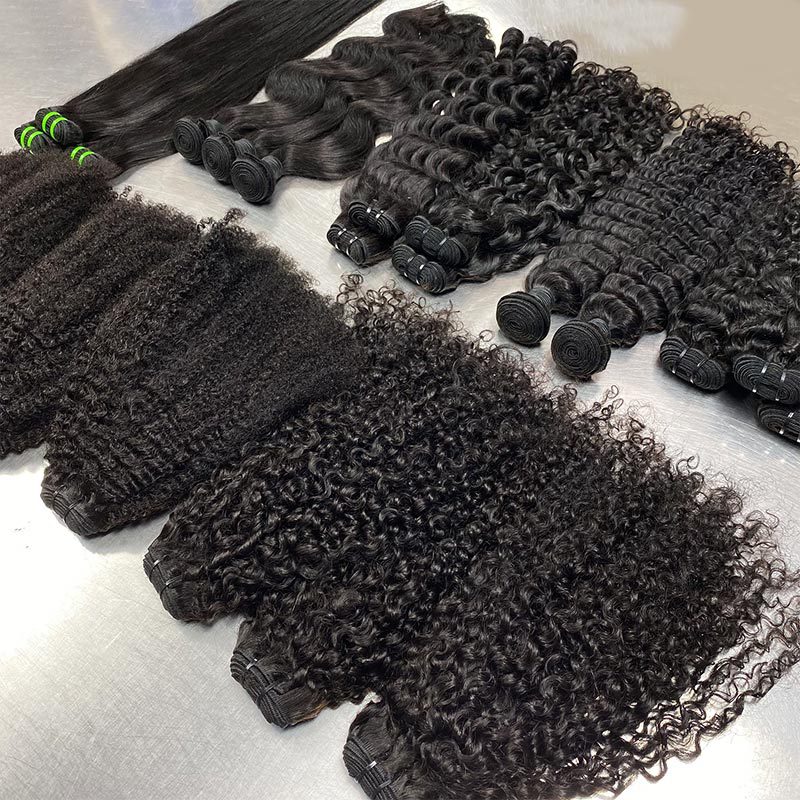
- Straight hair bundles: Clean, professional look; shows track bulk more—hand-tied is extra flattering if you wear hair up often.
- Body wave bundles: Versatile everyday choice; both weft types work well.
- Deep wave and curly hair bundles: Hand-tied rows look extra natural around the crown; machine wefts excel at building volume and length in the back.
- With closures and frontals
- Hair bundles with closure: Pair either weft with a closure for simpler installs. For ultimate flatness, one or two hand-tied rows near the leave-out or closure line can make a noticeable difference.
- Hair bundles with frontal: If you’re doing a frontal and need quick volume behind it, machine weft is faster to stack. For ultra-flat frontal ponytails, hand-tied rows behind the frontal help reduce detectability.
If you run a salon, this choice impacts comfort complaints and rebook rates. Clients with fine hair who were switched from dense machine seams to lighter hand-tied rows often report less itchiness and pulling—and they come back happier.
How do pricing, MOQ, and maintenance differ between these wefts for my orders?
- Pricing and availability
- Machine weft: Generally costs less and is widely available from most hair vendors. Great for affordable human hair bundles and strong cost-per-wear metrics. Insight 3 and 10.
- Hand-tied: Commands a premium due to labor-intensive production and quality control in tying. Stock may be more limited, especially in niche lengths or textures. Insight 3.
- Wholesale and MOQ realities (for salons, stylists, and resellers)
- Machine weft wholesale: Easier access, lower MOQs (often 3–10 bundles per length/texture), fast restocks. Ideal for bundle hair wholesale, private label hair extensions, and introductory inventory builds.
- Hand-tied wholesale: Higher unit cost, sometimes sold in “rows” or specific set weights; MOQs may be stricter, and lead times longer. Plan ahead for seasonal demand (wedding/prom).
- Supplier selection tip: Ask for clear specs—grams per bundle, number of wefts per “hand-tied set,” and exact stitch construction. Inconsistency is where margins get eaten.
- Maintenance and service time
- Hand-tied: Longer initial install times, more meticulous move-ups, and a slightly stricter brushing routine at the seam. Great for clients who want low-profile results and don’t mind scheduled maintenance. Insight 6 and 8.
- Machine weft: Faster installs, easier repairs/replacements, and simpler maintenance. Excellent for clients who restyle often or for salons optimizing chair time. Insight 6, 8, and 10.
- Cost per wear
- Hand-tied wins on invisibility and comfort; machine weft often wins on pure dollars-per-day and resilience to everyday handling. Decide what your client values most. Insight 10.
Inventory strategy (from experience): If you’re building a salon or boutique stock, lead with machine weft for volume sellers (straight, body wave, 12–24″), then layer in hand-tied sets for your premium clients with fine/sensitive scalps or who request high ponytail-friendly installs. Hand-tied can drive higher service revenue per client due to time and skill, boosting margins even at lower unit sales.
Comparison Table
| Feature/Decision Point | Machine Weft | Hand-Tied Weft |
|---|---|---|
| Seam thickness | Thicker, slightly bulkier seam | Ultra-flat, seamless against scalp |
| Can you cut it? | Yes—cut to width; seal for minimal shedding (flexible) | No—cutting unravels; must fold at corners |
| Cost & availability | Lower cost; widely available; easy restock | Premium pricing; more limited stock |
| Density per track | Supports high density; great for volume installs | Lighter per track; layered for natural look |
| Install speed | Faster; beginner-friendly | Longer; advanced skill, precise tension |
| Maintenance overhead | Lower; easy repairs/track swaps | Higher; careful handling and scheduled move-ups |
| Daily durability | Excellent resilience to brushing/washing | Great longevity with careful handling |
| Comfort for fine/sensitive scalps | Can feel bulky if over-stacked | Lighter, more comfortable; distributes weight evenly |
| Detectability in ponytails | More detectable if stacked thick | Least detectable; ideal for sleek ponytails |
| Best use cases | Budget builds, frequent style changes, high-density looks | Ultra-natural finishes, sensitive scalps, low-profile installs |
| Wholesale MOQs | Generally lower; flexible | Often higher/stricter; plan ahead |
| Cost-per-wear | Typically stronger value | Higher unit price; value in comfort/invisibility |
FAQ
- How many bundles do I need for a full sew-in?
- Machine weft: 2–3 bundles for 12–18″ straight/body wave; 3–4 bundles for 20–26″ or deep wave/curly. Add a closure or frontal for full coverage.
- Hand-tied: Usually sold in multiple narrow wefts; many installs use 2–3 rows depending on head size and density goals. Don’t cut—layer/fold rows instead.
- How long do human hair bundles last?
- With Remy/virgin/raw hair and proper care: 6–12 months for machine weft; 9–12 months for hand-tied when seams are protected and tension is managed. Longevity varies with coloring, heat exposure, and product choices.
- Can I bleach human hair bundles?
- Yes, if you’re using high-quality virgin hair bundles or raw hair bundles with intact cuticles. Go slow, bond-build, and deep-condition. Lower-quality Remy may not lift evenly.
- What’s the difference between raw hair and virgin hair?
- Raw: Unprocessed, cuticles aligned, most natural texture/behavior—often the longest-lasting. Virgin: Un-dyed, minimally processed; slightly more uniform. Either can be made into machine or hand-tied wefts.
- Are expensive bundles worth it?
- If the premium is for true cuticle alignment, consistent density, and ethical sourcing—yes. If the price is only for branding, not always. I look at cost-per-wear plus client satisfaction and rebook rates.
- Which weft type is easiest to maintain?
- Machine weft is easiest day-to-day and for quick repairs. Hand-tied requires more careful handling but delivers the flattest, most discreet installs.
Conclusion
If you want the simplest, most flexible, and budget-friendly path—choose machine weft. It cuts cleanly, stacks for volume, withstands routine wear, and delivers excellent cost-per-wear for both consumers and salons. If you value a feather-light feel, sensitive-scalp comfort, and the flattest ponytail-friendly finish—choose hand-tied, and work with a stylist who specializes in tension mapping and beaded row techniques.
My quick recommendation:
- Choose machine weft if you prioritize affordability, frequent style changes, quick installs, or high-density looks.
- Choose hand-tied if you need a seamless, low-profile result, have fine or fragile hair, wear high ponytails, or want the most comfortable long-term feel.
For salons and resellers: Stock machine-weft bestsellers (straight and body wave in key lengths) for volume and cash flow, and carry curated hand-tied sets for premium services. Partner with a reliable hair extension supplier, verify grams per bundle and track construction, and protect margins by selling maintenance packages. That mix has consistently driven repeat purchases and happier clients in my business.
Futher Reading: https://biwinco.com/human-hair-bundles-ultimate-buying-guide/