
I get this question from clients and fellow stylists all the time. When you’re spending real money on bundles, you want hair that looks full, behaves predictably, resists shedding and tangling, and actually lasts. I’ve installed both single drawn and double drawn across salons and photo shoots, and I’ve seen how the strand mix, cuticle alignment, texture processing, and your own styling habits all play into performance and value for money.
Double drawn bundles are worth it if you want maximum fullness from root to tip, fewer bundles for a dense install, and crisp, blunt styles. They cost more because shorter hairs are removed in sorting, but they deliver a thicker, more uniform look that styles symmetrically. If your hair is fine or layered and you prefer a natural taper, single drawn or mixed drawn will blend more seamlessly. Choose high-grade Remy/virgin quality to ensure longevity and minimize tangling.
In this guide, I’ll show you how much fuller double drawn really is, whether it lasts longer or styles better, when I recommend it based on budget and goals, and how to source true double drawn bundles without overpaying. By the end, you’ll know exactly which option suits your installs and daily routine.
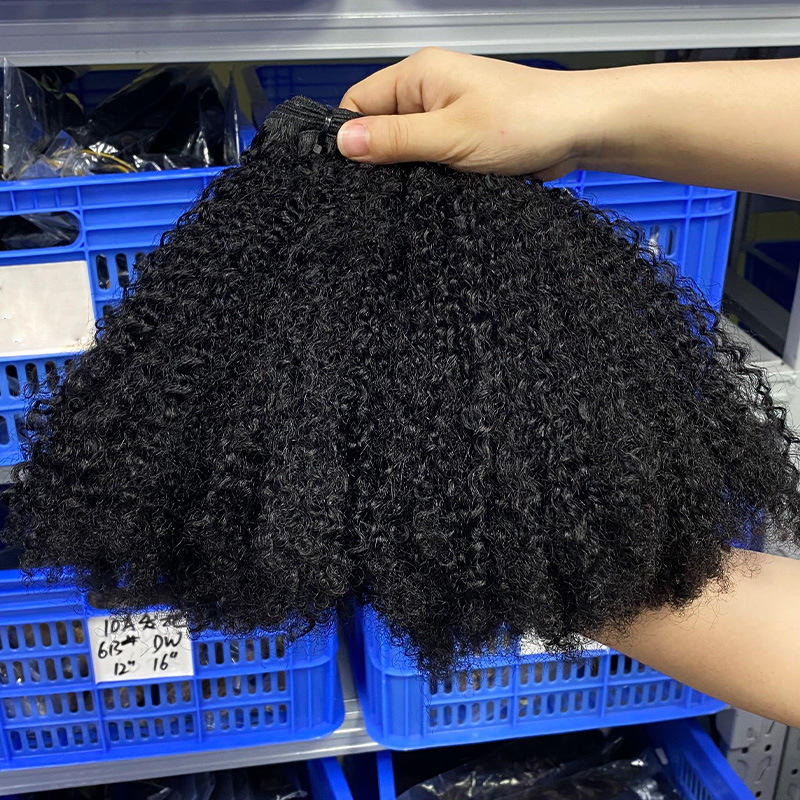
How much fuller are double drawn bundles compared to single drawn for my installs?
Double drawn bundles contain a higher proportion of long strands, so the bundle stays thick from root to tip. With single drawn, you get a natural taper (more mid-length and short hairs mixed in), which can look wispy at the ends—especially at longer lengths.
What that means in the chair:
- At the same weight (typically 100 g per bundle), double drawn visually appears fuller at the ends—often 30–50% more end density depending on the vendor and length.
- Because the ends aren’t thin, I usually need one less bundle for the same volume, particularly for 10–22 inches.
- On blunt cuts (bobs, lobs), double drawn delivers that “salon-thick” finish with less stacking.
Quick bundle planning guide (my go-to starting point; adjust for head size, texture, and desired volume):
- 10–14″: Single drawn 2–3 bundles; Double drawn 2 bundles
- 16–20″: Single drawn 3 bundles; Double drawn 2–3 bundles
- 22–26″: Single drawn 3–4 bundles; Double drawn 3 bundles
- 28–30″+: Single drawn 4–5 bundles; Double drawn 3–4 bundles
If you’re using a 13×4 frontal, you can sometimes drop a half bundle versus a closure because the frontal covers more area. For ultra-full glam looks, keep your usual count.
Comparison snapshot:
- Distribution: Single drawn = more natural taper; Double drawn = uniform ends
- Look: Single drawn = feathered/airy; Double drawn = dense/blunt
- Best blend: Single drawn = fine or layered leave-out; Double drawn = thicker natural hair or blunt styles
- Cost: Double drawn runs 20–50% higher because of extra sorting and trimming
Do double drawn bundles last longer or style better in my daily use?
Longevity depends more on hair quality (Remy/virgin/raw and cuticle integrity) than draw level. Double drawn doesn’t automatically last longer, but it can style more predictably day-to-day due to even strand lengths.
What I’ve seen in the salon:
- Styling symmetry: Curls and flat-ironed looks appear more uniform because the ends are consistent. Your bob sits “cleaner” without wispy tips.
- Heat and color: If you plan frequent heat styling or color changes, invest in high-grade Remy/virgin (or raw) double drawn with aligned cuticles. This minimizes tangling, helps curls hold, and keeps luster. Steam-processed textures (deep wave, kinky curly) look amazing but need extra hydration to maintain bounce.
- Tangling and shedding: Quality Remy/virgin double drawn resists both. I still seal wefts on high-friction installs and advise gentle detangling from the ends up to protect uniform tips.
- Wear-in feel: Because shorter fibers are removed, double drawn ends don’t have the same “natural taper” buffer over time. Keep them moisturized and do occasional dusting trims to maintain that blunt freshness.
Care checklist I give clients:
- Wash every 1–2 weeks with a gentle, sulfate-free shampoo; follow with a moisturizing conditioner or mask (focus from mid-lengths to ends).
- Use a light leave-in and a heat protectant before hot tools; avoid 450°F—staying under ~380–400°F preserves cuticles.
- Sleep with hair braided or in a loose pony; use a satin/silk bonnet or pillowcase.
- Detangle daily with a wide-tooth comb or paddle brush, starting at the ends.
- For curly textures, refresh with water + conditioner mix; avoid heavy oils that attract dust.
Origins I trust for double drawn density:
- Vietnamese and Cambodian hair often gives a naturally thicker strand, excellent for double drawn finishes.
- Indian temple hair is durable with medium luster and blends well; raw versions last long with proper care.
- “Brazilian” and “Peruvian” are usually marketing labels—focus on cuticle-aligned Remy/virgin quality rather than the name.
When should I choose double drawn based on my budget and goals?
Choose double drawn when:
- You want dramatic fullness, crisp ends, and bold silhouettes (bob/lob, one-length cuts).
- You prefer fewer bundles with maximum density.
- Your leave-out or natural hair is thick, so a uniform end blends best.
- You’re a stylist aiming to save install time by reducing wefts without sacrificing volume.
Choose single drawn or mixed drawn when:
- Your natural hair is fine or layered and you want a soft, tapered blend.
- You mainly want length with a subtle look (especially 24”+ where taper can feel more natural).
- Budget is tight and volume is not the priority.
Cost-effectiveness rule of thumb:
- Double drawn typically costs 20–50% more per bundle. If you can drop one bundle and still hit your fullness goal, your total install cost can be similar—or slightly higher but with a fuller finish.
- It’s most cost-effective for short to medium lengths and blunt styles. For very long, length-only installs, single drawn may deliver the look you want for less.
Texture tips:
- Straight, body wave, and loose wave look ultra-polished in double drawn.
- Deep wave/curly/kinky curly double drawn is gorgeous but can read “big.” If you want a more natural, tapered curl silhouette, consider single or mixed drawn in those patterns.
Where can I buy true double drawn bundles without overpaying for my orders?
I always shop for specs, not just labels. Here’s my buy-smart process:
Vendor verification:
- Ask for the strand ratio or a short video comb-through from weft to tip showing density doesn’t collapse at the ends.
- Confirm hair type: Remy or virgin with cuticles aligned in one direction; raw hair if you want the longest life and less processing.
- Clarify “double drawn” levels (some vendors offer “super double drawn”). Make sure you’re comparing like-for-like.
At-home authenticity checks once the sample arrives:
- Weight and build: A true 100 g bundle should feel substantial at the ends. Measure circumference at 1”, mid, and near the tips—the taper should be minimal with double drawn.
- Shedding test: Comb through over white paper; a few strands are normal, but excessive fallout is a red flag.
- Water test: Wet a small section—cuticles should align smoothly; roughness can indicate acid processing or mixed cuticles.
- Heat and smell: A light pass with a flat iron should not produce a chemical smell. Silicone-heavy coatings often feel slippery then dry out fast with washes.
Price sanity:
- Expect a premium over single drawn of the same length and origin. If the price is suspiciously low, it’s often mixed drawn or heavily coated hair dressed up as double drawn.
- On the flip side, ultra-high pricing without clear specs (strand ratio, source, cuticle alignment) isn’t worth it. Pay for verified quality, not just a “Brazilian super double drawn” tagline.
Where I look:
- Reputable salon supply boutiques and specialist online stores focused on Remy/virgin or raw hair.
- Verified marketplace vendors with extensive photo/video proof, reviews with install photos, and a clear return/exchange policy.
- Order one test bundle or a sample kit before a full salon buy-in. For salons, I build a house standard after testing: usually straight and body wave double drawn from Vietnamese/Cambodian sources for blunt styles, plus a single/mixed drawn option for layered looks.
What to ask before you pay:
- Is this Remy/virgin or raw? Are cuticles intact and aligned?
- What’s the strand ratio or percentage of long hairs?
- Is the texture steam-processed? How was the curl/wave achieved?
- Weight per bundle (grams) and length accuracy.
- Return policy and color/heat guidelines.
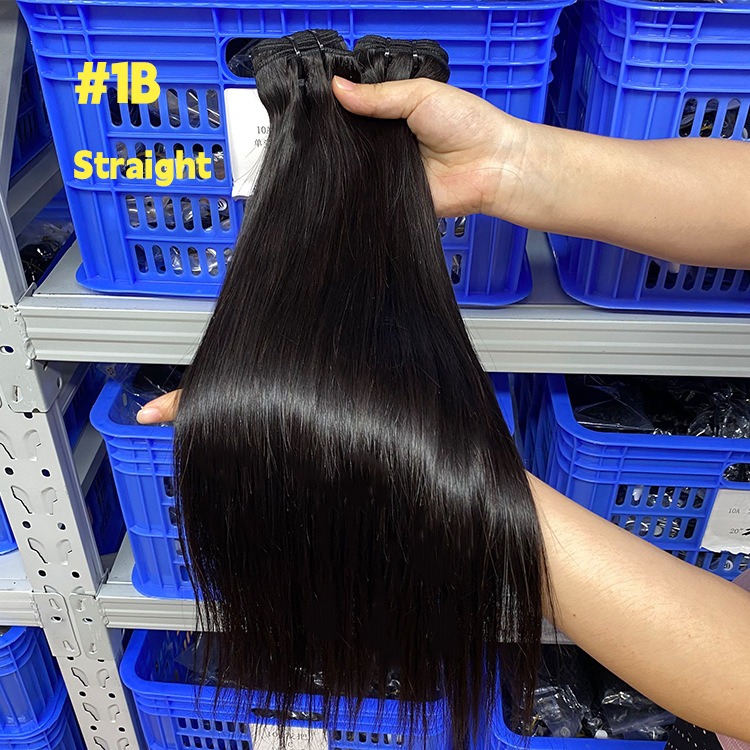
Comparison table to help you decide quickly:
| Factor | Single Drawn | Double Drawn |
|---|---|---|
| End fullness | Natural taper | Thick, uniform |
| Bundles needed | More (esp. long lengths) | Fewer for same density |
| Best for | Fine/layered hair, length-only looks | Blunt cuts, bobs/lobs, thick leave-out |
| Styling feel | Airy, feathered | Symmetrical, polished |
| Price per bundle | Lower | Higher (sorting/trimming) |
| Cost-effectiveness | Length-focused installs | Volume-focused installs |
| Maintenance | Easier to look “natural” | Occasional tip dusting to keep blunt look |
Pro tip from my chair: If you heat style or color often, step up to high-grade double drawn Remy/virgin (or raw) to preserve cuticles. The upfront cost protects you from tangling, dryness, and constant re-buying.
Quick Glossary (so we’re on the same page)
- Remy: Cuticles intact and aligned; smoother, less tangling.
- Virgin: Remy hair not chemically processed for color; may be steam-textured.
- Raw: Minimal processing, usually straight or natural wavy; strongest longevity.
- Single donor: Hair from one donor—consistent texture/luster; not required for great installs.
- Double drawn: Higher proportion of long hairs, fuller ends.
- Steam processed: Curls/waves created with steam; maintain with hydration.
- Popular origins: Vietnamese/Cambodian (thicker strands), Indian (durable, versatile). “Brazilian/Peruvian” are often marketing terms.
Conclusion
If you crave dense, root-to-tip fullness with fewer bundles—especially for blunt bobs and lobs—double drawn is absolutely worth it. You’ll pay more per bundle because of the extra sorting, but you gain uniform ends, cleaner styling symmetry, and often a reduced bundle count. If your natural hair is fine or layered and you prefer a soft, tapered blend (or you’re chasing length over volume), single or mixed drawn will feel more natural and budget-friendly. Whatever you choose, prioritize Remy/virgin or raw quality, verify strand ratio, and buy from vendors who can prove what they sell—your installs, your clients, and your wallet will thank you.
Futher Reading: https://biwinco.com/human-hair-bundles-ultimate-buying-guide/