
I’ve spent years helping salons, stylists, and everyday shoppers choose human hair bundles that actually perform in real life—behind the chair and at home. If you’ve ever wondered why one 20-inch “Brazilian body wave” bundle costs $45 and another is $145, you’re not alone. Price swings usually trace back to hair origin authenticity, how minimally (or heavily) the hair was processed, the drawn ratio and weight accuracy, construction quality, and whether the brand truly stands behind the product. Ultimately, you’re paying for fewer headaches—less shedding and tangling, longer wear, consistent texture, and predictable results when coloring or heat styling.
Some human hair bundles cost more because they’re rarer to source (true origin, single-donor, raw/virgin), have intact aligned cuticles (true Remy), use higher drawn ratios and accurate weights, and are built with meticulous sorting and wefting. These steps reduce tangling and shedding, improve longevity, and support successful coloring and heat styling—adding real value. Higher prices also reflect ethical sourcing and brand-level quality control. For most buyers, the right premium tier actually lowers cost-per-wear compared to cheaper, highly processed hair.
In this guide, I’ll break down what really drives price—from origin and hair status to manufacturing details you can’t always see online. I’ll also answer whether premium bundles truly last longer, and give you a simple decision framework so you can judge if the upgrade is worth it for your brand or your personal look.
How do origin authenticity, raw or virgin status, and drawn ratio affect price for me?
Origin authenticity and rarity
- What “Brazilian” often means: In retail, “Brazilian/Peruvian/Malaysian” is usually a texture/style name, not true origin. Authentic origin (e.g., Cambodian, Vietnamese, Burmese, Indian temple) with traceability usually costs more because supply is limited, collection is more controlled, and donors are compensated.
- Rarity premium: Raw, single-donor hair from Southeast Asia or Eastern Europe is scarcer and commands higher prices than mixed multi-donor hair. Temple-donation Indian hair also carries auction and traceability costs.
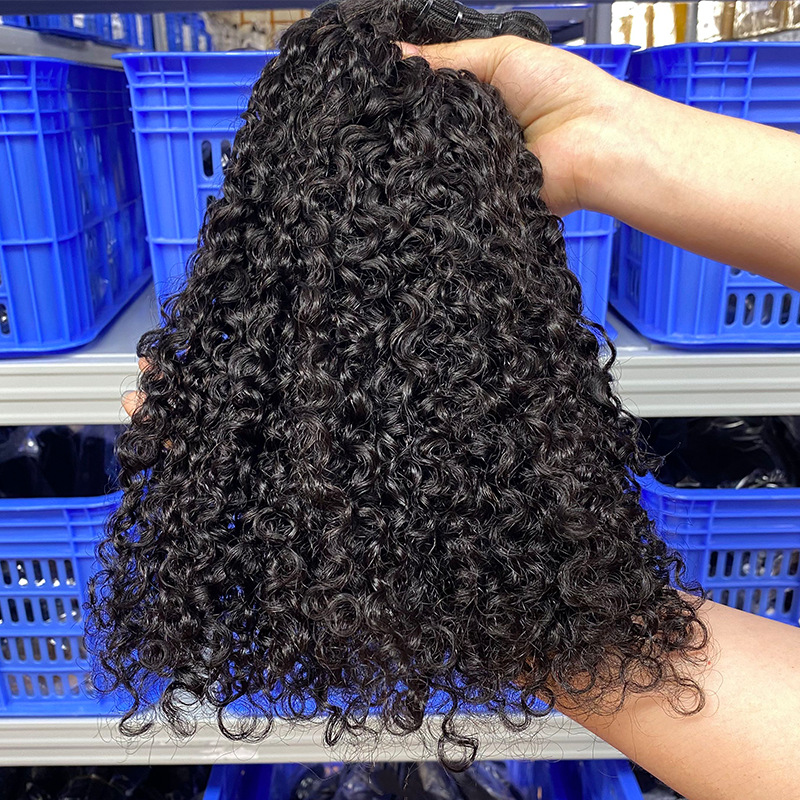
- Texture realities: Coarser, naturally curly/coily textures are rarer to source in consistent lengths and command a premium over common straight or body wave styles.
Raw, virgin, Remy, and non-Remy—what you’re really paying for
- Raw hair: Minimal to no chemical processing; cuticles intact; often from a single region or single donor. Highest authenticity and typically the longest lifespan.
- Virgin hair: Human hair that hasn’t been dyed or chemically treated before collection; may still be lightly steamed for texture. Often true Remy.
- Remy hair: Cuticles aligned from root to tip. Tangling is significantly reduced and longevity improves. True Remy costs more than non-Remy.
- Non-Remy hair: Mixed cuticle direction; often acid stripped and silicone-coated to feel soft initially. Cheaper upfront, but coating washes off and tangling/shedding escalates.
Drawn ratio and weight accuracy
- Single drawn vs double drawn: Single drawn bundles include more natural taper (more short hairs), so mid-lengths feel thinner. Double drawn has a higher percentage of long strands for fullness from weft to ends—costs more because it requires intensive sorting and more long hair per bundle. “Super double drawn” is the fullest option.
- True 100 grams: Reputable vendors provide honest weight and lengths that measure true to stretch. Underweight bundles may look cheaper but cost you more when you need extra packs.
Other factors that nudge price up or down
- Length: Long hair (20–30+ inches) is rarer and must survive processing intact. Expect a steep price curve on longer lengths.
- Color level and uniformity: Light or ash tones require selective sourcing or careful, low-yield processing. Uniform color adds labor and loss (higher cost).
- Ethical sourcing: Verified single-donor chains and fair labor practices add acquisition costs—but also brand credibility and fewer customer complaints.
- Market factors: Currency swings, import duties, and seasonal demand spikes can move prices even for the same spec.
Quick price driver snapshot
| Feature/Claim | What it means | Effect on Price | What you get in practice |
|---|---|---|---|
| Authentic origin + traceability | True regional source, documented chain | Higher | Consistency, brand trust, fewer returns |
| Raw/Virgin status | Minimal processing, intact cuticles | Higher | Longevity, reliable coloring/heat styling |
| True Remy cuticle alignment | Roots-to-ends aligned | Higher | Less tangling, less shedding |
| Double or super double drawn | Fuller ends, more long strands | Higher | Thicker look, fewer bundles needed |
| Longer lengths (20–30″+) | Scarce long donors, careful processing | Higher | Dramatic length without thin ends |
| Naturally curly/coarse textures | Rare in uniform lengths | Higher | Authentic curl pattern and density |
| Ethical/traceable sourcing | Fair pay, temple auctions, verifications | Higher | Brand safety, marketing value |
What production steps—sorting, wefting, and steam processing—raise costs I pay?
Sorting and grading
- Fine sorting by length, texture, and cuticle direction takes time and skill. More passes = higher cost but fewer short flyaways and more even texture.
- High drawn ratios need repeated hand-sorting, which increases labor costs significantly.
Wefting and construction quality
- Tight, consistent wefting with reinforced stitching reduces shedding and makes installs last longer. It’s slower and costs more than mass wefting.
- Weft sealants and inspected weft density help prevent unraveling. Reputable makers reject imperfect wefts instead of passing them on.
Steam processing (for texture)
- Gentle steam sets can create body wave, loose wave, deep wave, or kinky curly without harsh chemicals. Longer, lower-temperature steaming preserves cuticles but costs more.
- Heavily processed curls (high heat, chemicals) are cheaper but often lose pattern quickly and dry out.
Chemical treatments and finishes
- Silicone coating makes hair feel silky at first but hides damage. It’s cheaper now, costly later as it washes out.
- Controlled lightening for blondes is expensive—slow lifts with bond builders protect hair but increase production time and reduce yield.
Production step value guide
| Step/Choice | Raises Cost? | Why it matters for you |
|---|---|---|
| Multi-pass hand sorting | Yes | Fuller ends, consistent texture, fewer flyaways |
| Reinforced, tight wefting | Yes | Less shedding, longer install life |
| Gentle steam texturing | Yes | Curl pattern holds without frying cuticles |
| Silicone-heavy finishing | Low upfront | Feels great first week; performance drops fast |
| Careful blonde processing | Yes | Even tone, less breakage, better longevity |
Do higher-priced bundles actually last longer and perform better for me?
Usually, yes—when the higher price reflects better hair and construction, not just branding. Here’s how performance typically scales.
Real-world performance tiers
| Tier (typical spec) | Longevity (proper care) | Dyeing/Lightening | Tangling/Shedding | Maintenance Time | Cost-Per-Wear (est.) |
|---|---|---|---|---|---|
| Budget: Non-Remy, mixed donors, silicone finish | 4–12 weeks | Unpredictable, high damage | Increases after few washes | High | Higher than it seems |
| Mid: Remy Virgin, single- or few-donor | 6–12 months | Can color; careful lift | Minimal with care | Moderate | Low–moderate |
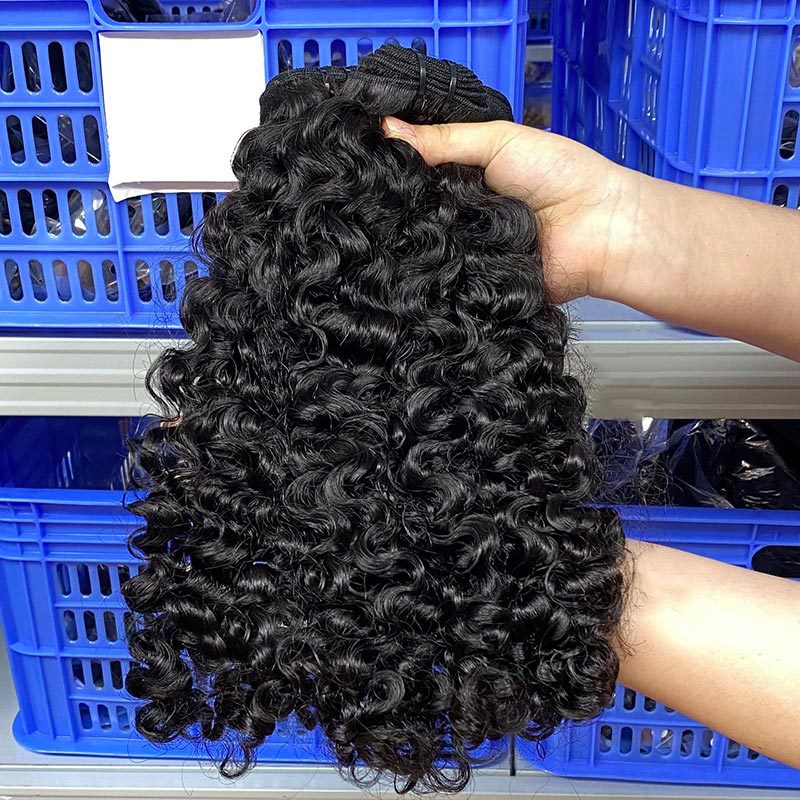
| Premium: Raw/True Remy, single-donor, double drawn | 12–24+ months (reinstallable) | Takes color well; better lift | Very low with proper care | Low | Lowest over time |
- Note on textures: Naturally curly/kinky raw hair can outlast steam-curled hair if moisture and detangling are consistent.
- Heat resistance: Premium raw/virgin hair tolerates heat better; budget hair often singses or dries out quickly.
- Install cycles: High-quality bundles can be reinstalled multiple times, dramatically lowering cost-per-wear for both pros and end users.
How can I decide if the premium is worth it for my brand or my look?
Use a simple cost-per-wear calculation
- Cost-per-wear = (Bundle price + coloring/styling cost) ÷ Estimated wears or months of use.
- Example: $300 premium set lasting 12 months ≈ $25/month. A $120 budget set lasting 2 months = $60/month. Premium often wins on math, not just feel.
For salons, stylists, and resellers
- Brand promise: If you position as quality-first or offer guarantees, you need consistent Remy or raw hair. Returns cost more than the price difference.
- Build a Good–Better–Best ladder:
- Good: Remy virgin single-drawn (value installs, students).
- Better: Remy virgin double drawn (main line).
- Best: Raw/single-donor, double drawn (signature line).
- Test before scaling:
- Order sample bundles across textures and lengths.
- Perform a mini-bleach test on a small strand (20 vol, 10–15 min) to check lift behavior.
- Shampoo 3x back-to-back to see if silicone softness fades and tangling starts.
- Flat iron test at 380–410°F to check resilience and smell.
- Verify specs:
- Weigh bundles (should be ~100g).
- Measure stretched length.
- Check for uniform cuticle direction (rubbing down feels smooth; rubbing up should give slight resistance).
For personal wearers and wig lovers
- Your lifestyle:
- Daily heat styling or frequent color changes? Go for raw/virgin Remy to avoid dryness and breakage.
- Occasional, protective installs? Mid-tier Remy virgin is often the sweet spot.
- Texture goals:
- Want true, dense curls or coarse textures? Pay for authentic origin or premium steam work; it’s worth it for shape retention.
- Prefer sleek looks with minimal maintenance? Double drawn straight/ body wave saves time and bundles.
- Length vs fullness:
- If budget is fixed, choose slightly shorter but double drawn instead of very long and single drawn. Your ends will thank you.
What to check before you buy
- Origins and claims:
- Is “Brazilian” a style or verified origin? Ask for traceability on premium lines.
- Construction:
- Are wefts neat, tight, and double-stitched? Few short hairs? Minimal beards at the weft?
- Sensory checks:
- Strong chemical or sweet-plastic odor can hint at heavy silicone or acid baths.
- After a clarifying wash, does the softness remain and pattern stay defined?
- Policy and support:
- Reputable brands publish gram weights, return windows, and care guides. That support is baked into price and protects your purchase.
Decision mini-matrix
| Your priority | Choose this first | Add if budget allows |
|---|---|---|
| Maximum longevity | Raw or virgin true Remy | Double/super double drawn |
| Lowest tangling | True Remy cuticle alignment | Tighter, reinforced wefts |
| Color versatility | Virgin/raw, darker natural color | Traceable origin, slower lift process |
| Fullness at the ends | Double drawn | Longer lengths once fullness is covered |
| Ethical/brand credibility | Traceable, fair-sourced lines | Documented single-donor when possible |
Final pro tips
- Match bundle count to length for fullness:
- 12–16″: 2–3 bundles; 18–22″: 3 bundles; 24–30″: 4+ bundles (or upgrade to double drawn).
- Care equals lifespan:
- Sulfate-free shampoo, rich conditioners, silicone-serum on mid-lengths/ends, minimal heat, satin nighttime protection.
- Expect variance:
- Human hair is natural. Even premium hair has slight batch differences—what matters is that your vendor’s average stays high.
Conclusion
Price differences in human hair bundles aren’t random—they reflect how rare the hair is to source (origin, single donor, raw/virgin), how carefully it’s sorted and wefted, the drawn ratio and honest weight, the texture and color work involved, and the brand’s quality control and ethics. When those factors are legit, higher-priced bundles do last longer, shed less, tangle less, and color more predictably—dropping your cost-per-wear and client complaints. Whether you’re building a salon brand or shopping for your next install, use the tests and decision matrix above to pay for the quality you’ll actually feel and keep, not just the name on the tag.
Futher Reading: https://biwinco.com/human-hair-bundles-ultimate-buying-guide/