
I get this question constantly—from salon owners trying to stretch inventory budgets to first-time buyers who just want a cute weekend style without spending a fortune. I’ve worn, installed, colored, and stress-tested more bundles than I can count. I know the headaches: tangling at the nape after two washes, frizz that shows up out of nowhere, ends that thin out too fast, and bundles that look full online but arrive skimpy in hand. If you’re wondering about quality, longevity, texture consistency, shedding, and overall value for money, I’ve got you.
Cheap human hair bundles can be worth it for short-term, low-heat, no-bleach styles—but they’re usually a poor choice for daily wear or frequent color/heat styling. The biggest risk is mixed fibers, heavy silicone coatings, and non-remy cuticles that tangle and shed after a few washes. If you want longevity, go for true remy or virgin hair; if you want a quick look on a budget, choose carefully and test samples first.
In this guide, I’ll show you the red flags I look for, how budget bundles actually perform in real life, when it makes sense to buy them (and when it doesn’t), and how to test samples so you avoid costly mistakes. By the end, you’ll know exactly how to match hair quality to your goals—whether you’re a stylist protecting your reputation or a shopper aiming for the best look per dollar.
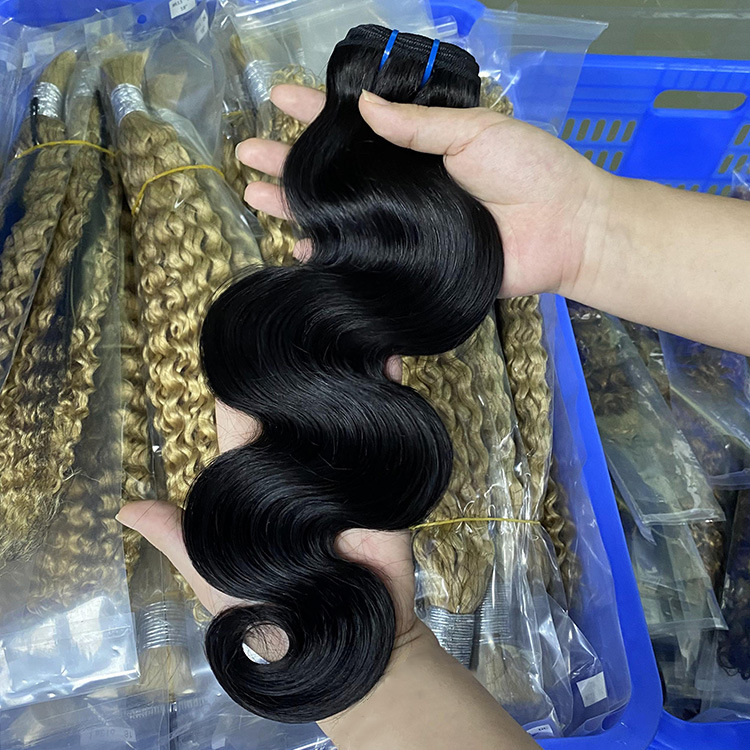
What red flags suggest low-quality or mixed-fiber cheap bundles to me?
I always start with quick, practical checks—no lab needed.
Visual and touch checks
- Glassy, overly shiny hair: often indicates heavy silicone coating used to mask dryness. It washes off fast, revealing rough texture.
- Crunchy or coated feel: a sign of harsh acid baths that strip cuticles, then “sealed” with silicone.
- Thin, see-through ends: not double drawn; you’ll need more bundles for fullness.
- Inconsistent color or “plastic” reflect: may indicate mixed fibers blended with human hair.
- Pattern that looks too perfect: deep/loose wave that springs uniform like a wig-perm and drops flat after one wash points to aggressive steam processing.
Construction and consistency
- Light bundle weight: a standard bundle should be about 100g (3.5 oz). Anything noticeably under that is a problem.
- Uneven wefts, lots of short “filler” hairs: can cause itching and extra shedding.
- Mismatched textures between bundles in the same order: poor quality control.
Odor and post-wash behavior
- Strong chemical smell on arrival and after washing: can indicate acid processing.
- Luster and silkiness vanish after 1–2 washes: classic silicone-rinse-off signal.
Transparency and policy clues
- Vague sourcing claims (“Brazilian-style” rather than real origin), no return policy, or no batch consistency guarantees: higher risk for mixed-fiber or non-remy hair.
Quick red flag table
| Red flag | What it tells me |
|---|---|
| Super-glossy, glass-like shine | Heavy silicone coating masks dryness |
| Smooth both directions when stroked | Cuticles likely removed (acid bath) |
| Bundle under ~95–100g | You’ll need extra bundles to get fullness |
| Drops curl pattern after 1 wash | Over-processed/steam-permed hair |
| Chemical odor that doesn’t rinse out | Harsh processing, lower-grade hair |
| No clear return policy | Higher risk of inconsistency/defects |
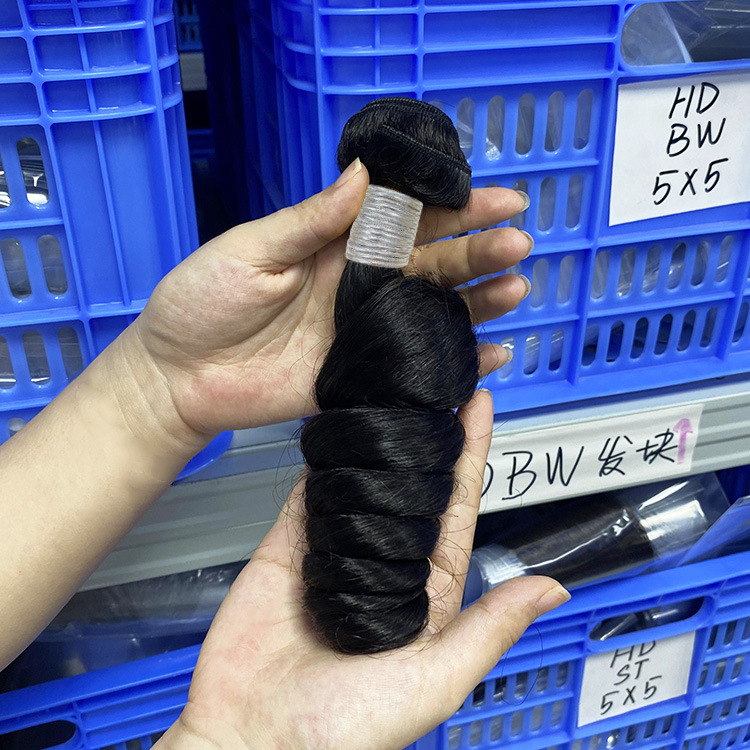
Pro tip: If hair feels identical sliding from root-to-tip and tip-to-root (perfectly smooth both ways), cuticles are probably gone or misaligned (non-remy). True remy hair should feel slightly “grippy” when you slide from tip back toward root.
How do cheap bundles perform for shedding, tangling, and coloring for my needs?
Let me set expectations based on what I’ve seen repeatedly.
Shedding
- Cheap bundles (especially non-remy or mixed fibers) shed more because cuticles are misaligned or removed, and wefts may be poorly constructed.
- Expect noticeable shedding within the first few wears; sealing wefts can help, but it won’t fix fiber quality.
Tangling and matting
- Mixed-direction cuticles create friction—tangles at the nape and ends show up after a couple washes.
- Acid-bathed hair feels smooth at first (silicone), then turns dry and frizzy once the coating rinses away.
- Curly and kinky textures suffer more if quality is low, because the curl pattern magnifies friction.
Coloring and heat tolerance
- Budget hair often lifts poorly—orange/brassy, patchy, and dry—because it’s already chemically compromised.
- High heat can scorch or “stick” to the iron on mixed fibers; even human strands may become brittle faster.
- If color is a must, stick to demi/semi-permanent deposit-only. Bleaching cheap bundles is usually a fail.
Realistic longevity guide (with gentle care)
- Cheap/mixed-grade bundles: 2–6 weeks of decent wear; sometimes up to 2 months if you avoid heat and color and rotate styles.
- Mid-range remy: 3–8 months with standard care.
- Virgin/single-donor, double drawn: 9–18+ months, even longer with careful maintenance.
Performance by price tier
| Tier | Longevity | Shedding/Tangling | Coloring | Maintenance Effort | Bundle Count Needed |
|---|---|---|---|---|---|
| Cheap/mixed | Short (2–6 wks) | High after a few washes | Poor for lightening | High (mask dryness) | Often more (thin ends) |
| Mid-range remy | Medium (3–8 mo) | Moderate with proper care | Acceptable for deposits; cautious lift | Moderate | Standard |
| Virgin/single-donor, double drawn | Long (9–18+ mo) | Low with care | Best candidate for lifting | Moderate/Low | Fewer (fuller to ends) |
Care tips if you do go budget:
- Co-wash before install to remove factory coating; follow with a rich conditioner.
- Use a wide-tooth comb, start at the ends, and keep heat under 350°F (177°C).
- Sleep in a satin bonnet or use a silk pillowcase to reduce friction.
- Keep products light—serum/leave-in for slip, avoid hard-hold gels that cause buildup.
When does buying budget bundles make sense for my use or small business?
Budget bundles aren’t always a bad call—they just need the right use case.
Great times to go budget
- One-off events (weddings, photoshoots, vacations) with limited wear time.
- Trend tests: trying a body wave or water wave look for a few weekends.
- Practice installs for new stylists or cosmetology students.
- Wigs/quick weaves for content creation where hair won’t be worn daily.
- Protective styles under hats/headwraps with minimal manipulation.
When to avoid budget bundles
- Daily wear, gym routines, or long sew-ins (6–8 weeks).
- Frequent restyling with heat tools or curlers.
- Lightening/color transformations (especially to blondes or caramel highlights).
- Clients who expect low maintenance and long life—protect your reputation.
Use-case guide
| Use case | My recommendation | Notes |
|---|---|---|
| One weekend event | Budget is fine | Avoid bleach; low heat; pre-wash |
| 2–4 week vacation | Budget or mid-range | Bring detangling spray; nightly protection |
| Daily wear 3+ months | Mid-range remy or virgin | Better total cost over time |
| Color/bleach services | Virgin/single-donor | Test strand first; invest in quality |
| Salon resale/brand building | Mid–high tier mix | Avoid returns: prioritize consistent quality |
| Stylist practice units | Budget | Expect higher shedding/tangling—ok for training |
Business note: Returns and re-installs eat margin. I’ve seen salons “save” on stock, then lose profit on fixes and reputation. For core inventory, choose consistent remy or virgin; keep a small budget line for trend chasers and practice.
How do I test samples to avoid costly mistakes before I buy more?
Here’s the simple, repeatable protocol I use for both personal buys and salon sourcing. Test each supplier with at least two textures (e.g., straight and body wave).
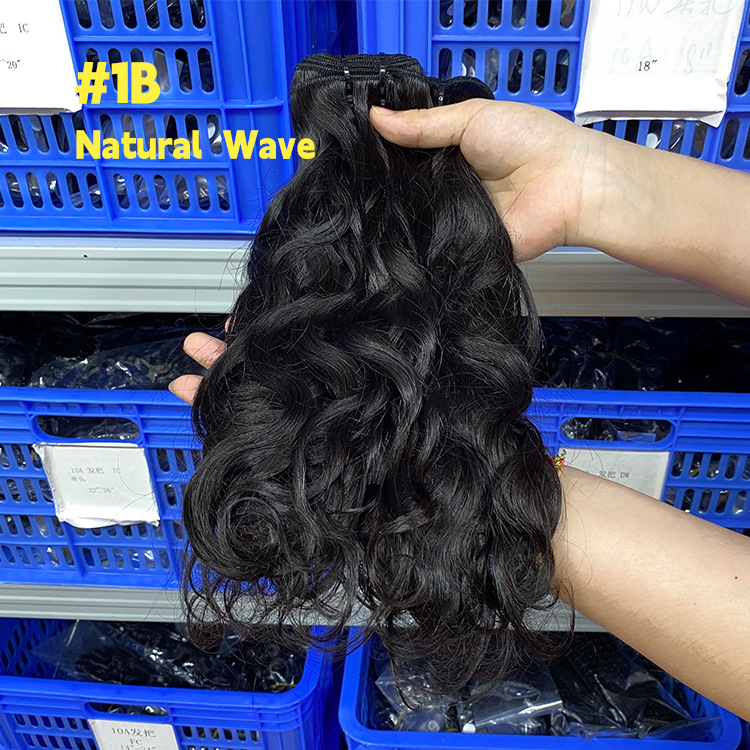
1) Verify specs
- Weigh each bundle: it should be ~100g. Note if one is lighter.
- Measure thickness from root to ends for “double drawn” claims; ends shouldn’t be stringy.
2) Visual, smell, and feel
- Look for split ends, excessive short hairs, and uniformity between bundles.
- Sniff after washing—persistent chemical odor is a red flag.
- If hair is slippery-glassy brand new, then turns dry after 1–2 washes, it was silicone-coated.
3) Cuticle alignment check
- Pinch a small section and slide your fingers from root to tip (smooth), then tip to root (should feel some resistance on true remy).
- If it’s equally slick both ways, cuticles are likely removed or misaligned (non-remy).
4) Burn test (tiny strand, in a safe, ventilated area)
- Human hair: smells like burning protein (like singed feathers), ash rubs to powder.
- Synthetic/mixed fibers: sweet/plastic smell, hard bead residue.
- Note: Some blends can mix both cues—still a red flag.
5) Wash and wear simulation
- Clarify once, then deep-condition and air-dry. Observe: did the curl pattern drop? Did shine vanish?
- Comb test: 10 gentle passes with a wide-tooth comb—count shed strands. Excessive shedding early = poor wefts or fiber quality.
- Friction test: rub the nape area against cotton for 30 seconds; note tangling.
6) Heat test
- Pass a flat iron at ~320–350°F on a small section. Look for melting, sticking, or excessive smoke. High smoke or stickiness suggests synthetics or heavy coatings.
7) Color test (only on a snip)
- Apply 10–20 vol developer + demi or a mild bleach on a small strand.
- Watch for uneven lift, brittleness, or instant rubbery feel. Patchy orange lift = pre-processed hair.
8) Weft quality and construction
- Even stitching, minimal short return hairs, and no gaps indicate better manufacturing.
- Ask if wefts are reinforced—then still seal them yourself if you proceed.
9) Texture consistency
- Order multiple bundles and compare: true consistency shows across lengths and batches.
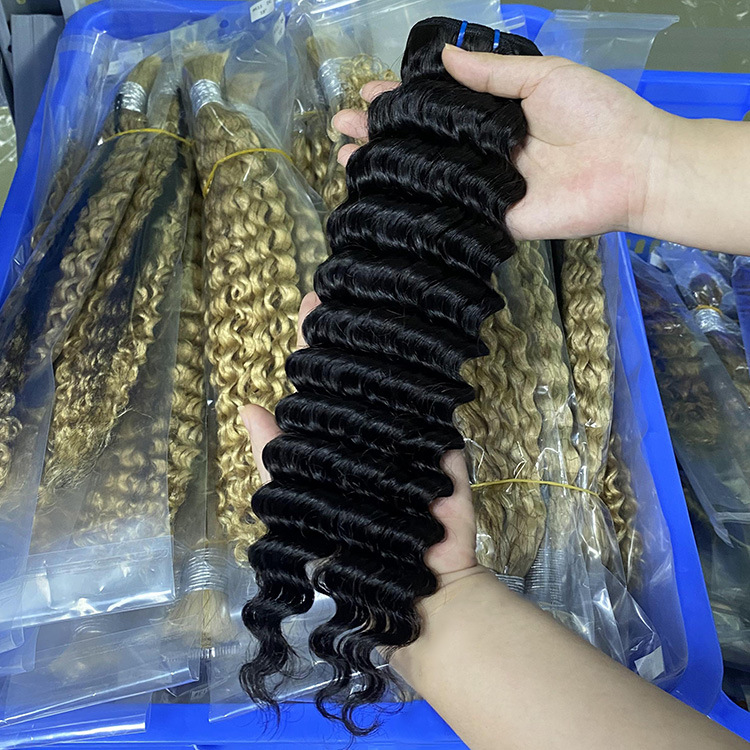
- For popular textures (body wave, deep wave, kinky curly), check if pattern survives two washes—over-processed hair often relaxes quickly.
10) Paper trail and policy
- Ask for written return/exchange terms and batch ID. If they can’t provide it, I limit my order to test quantities only.
If a vendor passes most tests but shows minor shedding, I may still proceed for short-term uses. For daily wear or salon clients, I need clean tests across the board.
Quick care plan if you choose budget bundles
- Products: sulfate-free shampoo, slip-rich conditioner, lightweight serum, heat protectant.
- Routine: co-wash before install, air-dry, limit heat, wrap at night, detangle only when damp with conditioner.
- Expectations: avoid bleaching; plan for a shorter lifespan; keep an extra bundle on hand for fullness.
Conclusion
Cheap human hair bundles can be “worth it” if your goal is a short-term look with minimal heat and no chemical color. But the common issues—mixed fibers, heavy silicone coatings, non-remy cuticles, thin ends, and weak wefts—mean more tangling, shedding, and dryness after just a few washes. For everyday wear, frequent restyling, or any lightening, true remy or virgin (ideally single-donor, double drawn) typically saves money over time and protects your brand if you’re a stylist or reseller. Whatever you choose, test samples using the steps above, verify weight and cuticle behavior, and treat maintenance as part of the cost. That’s how I buy smart, avoid surprises, and keep hair looking beautiful longer.
Futher Reading: https://biwinco.com/human-hair-bundles-ultimate-buying-guide/