
I’ve bought, worn, sold, and audited thousands of human hair bundles for salons, stylists, and online stores. I know the panic of a client install going wrong because a batch shed too much, tangled after the first wash, or didn’t match the promised texture. The right vendor conversations upfront save money, reputation, and time—whether you’re buying three bundles for yourself or planning a 50-bundle restock for your business.
The most important questions to ask a hair bundle vendor focus on origin, hair type and processing, quality testing, return terms, consistency, lead time, and branding options. Verify with clear specs (weight, length tolerance, weft construction), real test results (shedding, dye/bleach), transparent policies, and proof (unedited photos/video and samples). These answers protect you from poor quality, delays, and mismatched stock.
In this guide, I’ll share the exact questions I use during vendor vetting and why each one matters. You’ll learn how to confirm true origin and processing, what QC and return details protect you, how to verify consistency and capacity for growth, and which private label options elevate your brand. Use this as your checklist to make confident, profitable hair purchases.
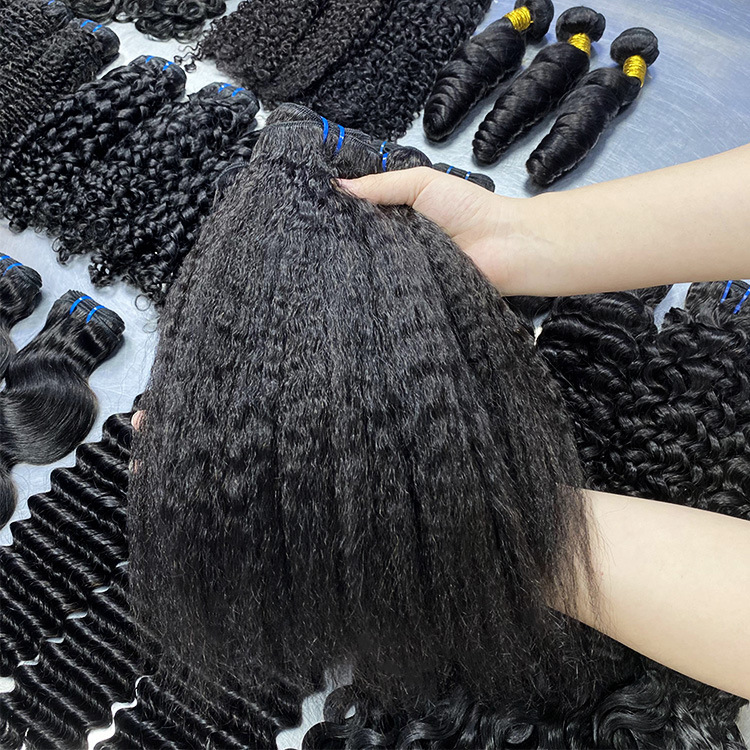
How do I confirm origin, raw or virgin status, and processing details for my bundles?
Pin down origin and donor details
I always start with sourcing transparency:
- What is the country of origin (e.g., Indian, Cambodian, Vietnamese, Burmese, Brazilian-marketed blends)?
- Is the hair single-donor, multi-donor, or mixed? If mixed, how is quality balanced?
- How is the hair collected and sorted—are cuticles aligned from the start (Remy)?
- Can you provide recent, unedited photos and short videos in natural light showing the weft, ends, and luster?
Tip: Ask for a batch ID or production date so you can match samples to later orders.
Clarify hair type and what it really means
Here’s what I confirm in plain language:
- Raw Hair: Unprocessed, no chemical treatment, natural luster and texture variations between bundles.
- Virgin Remy: Cuticles aligned, not previously colored/chemically treated; most common for high-quality installs.
- Non-Remy: Cuticles misaligned or mixed; often acid/silicone-treated to feel soft initially but tangles later.
- Single Donor: All hair from one person—best for uniformity; pricey and limited lengths.
- Double Drawn: Fuller from top to ends; fewer short hairs; costs more but looks denser.
- Steam-Processed Texture: Curls/waves created with steam, not chemicals—ask for exact method and temperature ranges.
Demand processing transparency
I ask the vendor to confirm, in writing:
- Are cuticles intact and aligned from root to tip?
- Any acid baths, silicone coating, dyeing, perming, or bleaching? If yes, to what degree?
- If textured, is it steam-processed or chemically permed? Which textures are natural vs enhanced?
- Heat resistance and dye/bleach expectations (e.g., lifts to level 8–9 with 20–30 vol developer).
Pro move: Request a quick “wash and comb” video—10 strokes on wet hair from ends to roots—to reveal true behavior without silicone slip.
Get exact specifications in black and white
I confirm the basics for every SKU:
- Bundle weight: 95–105 g (standard ~100 g)
- Length accuracy: tolerance (e.g., ±0.5–1 inch stretched)
- Weft construction: machine weft, double wefted, reinforced; beard length visible?
- Density consistency: hair ratio from short-to-long strands, especially on longer lengths
- Luster target: low/medium/high and color level (1B vs 2)
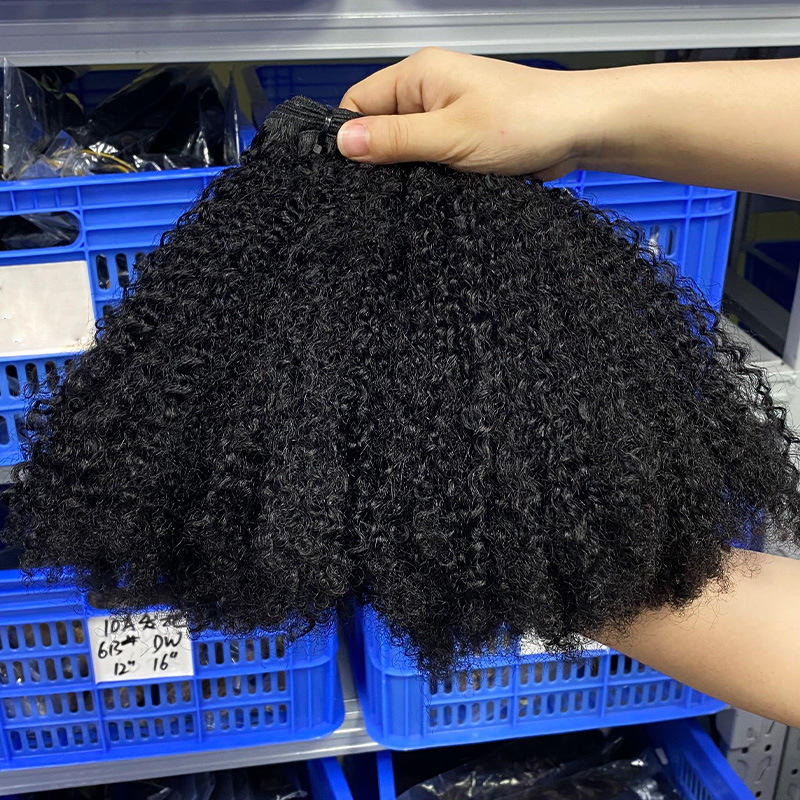
- Texture names and how they’re made: Straight, Body Wave, Deep/Loose/Water Wave, Curly, Kinky Curly—natural vs steam-processed
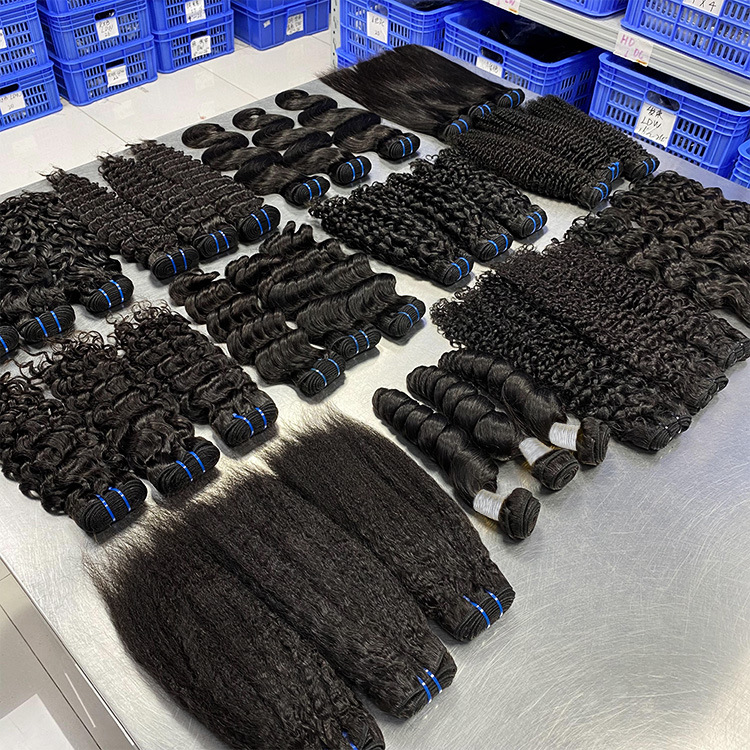
Quick reference: Hair type questions that reveal the truth
| Hair Type | Ask the Vendor | Quick Verification You Can Do |
|---|---|---|
| Raw | Any chemicals or dyes? Natural texture variations allowed? | Wash test: natural pattern returns; slight frizz is normal |
| Virgin Remy | Cuticle-aligned? Never dyed? | Reverse-rub test: less friction from root to tip |
| Non-Remy | Any acid baths/silicone coating used? | After 1–2 washes, slip disappears; increased tangling |
| Single Donor | Proof of same donor? Length limits? | Uniform color/texture, minimal cross-variation |
| Double Drawn | Percentage of long strands? | Ends look thick; fewer flyaways and short hairs |
| Steam-Processed Texture | Steam only? Temperature/time? | Pattern remains after wash; no harsh chemical odor |
What should I ask about QC, shedding tests, and return terms to protect me?
Quality control and testing that matters
I don’t accept vague “QC passed” claims. I ask for:
- Shedding test: 10–15 firm comb strokes on a new bundle; acceptable fall: 0–3 strands.
- Tangle test: Finger-combing when wet and dry; note any snags at the nape area equivalent.
- Dye/bleach test: A small sample lifted with 20 vol developer to level 7–9; report on elasticity and moisture.
- Heat test: Flat iron at 180–200°C for straight textures; confirm no texture collapse unless intended.
- Odor check: Chemical smell indicates heavy processing or coatings.
Also ask: Do they have written QA standards or third-party inspections for random batches? Not all “certifications” are meaningful in hair, but documented procedures, batch photos, and retention samples are.
Return, exchange, and warranty clarity
I protect myself by locking these in writing:
- Inspection window: How many days from delivery to report issues?
- Acceptable defects: Tangling, excessive shedding, mislabeled lengths, off-texture, split or dry ends beyond spec.
- Restocking fees: For unopened returns vs defective merchandise.
- Return shipping: Who pays for vendor-confirmed defects?
- Replacement turnaround: How fast can they ship a correction?
- Hygiene policy: Can I inspect without voiding returns? (Bundles must remain uninstalled/unaltered.)
Ask for an RMA process with timelines and the decision authority spelled out.
Return policy snapshot I aim for
| Policy Question | Why It Protects You | Baseline I Accept |
|---|---|---|
| Inspection window | Ensures time to test bundles | 7–14 days from delivery |
| Defect definitions | Avoids subjective denials | Written list with examples |
| Restocking fee (non-defective) | Predictable costs | 0–10% if sealed, none if faulty |
| Return shipping (defects) | Prevents double penalty | Vendor pays or reimburses |
| Replacement/Refund timeline | Keeps clients serviced | 3–7 business days |
| Evidence required | Streamlines approvals | Clear photos/videos; no install |
| Color/length tolerance | Reduces disputes | ±0.5–1 inch; color 1B ± half-level |
How can I verify consistency, lead time, and restock capacity for my business?
Consistency across batches—don’t leave it to luck
I ask vendors to demonstrate:
- Batch control: Can they tag orders with batch IDs and share photos of 3 random bundles per batch?
- Texture/luster tolerance: Define acceptable variation ranges.
- Ratio consistency: Similar fullness on 12” vs 24” (longer lengths thin naturally—double drawn mitigates).
- Sample retention: Will they keep a “golden sample” to match future restocks?
My process: place two or three small repeat orders over 4–6 weeks and log shedding, tangling, and color variance. If results drift, I don’t scale.
Lead times and restock capacity
I get specific by SKU:
- Production lead time by length/texture and lace type (if closures/frontals included)
- Peak season timelines and blackout dates
- Weekly output capacity for your core SKUs
- Partial shipments allowed?
- Shipping methods and transit time estimates to your location
Ask for On-Time-In-Full (OTIF) history on recent orders. For growing salons/shops, I often set a restock calendar and safety stock.
Pricing, MOQ, and total landed cost
To avoid surprises, I request:
- MOQ and tiered pricing breaks (e.g., 10, 50, 100 bundles)
- Payment terms (deposit vs full; PayPal/Credit Card/Trade Assurance; fees)
- All-in quotes: item cost + packaging + shipping + duties/taxes (DDP if available)
- HS code they’ll declare, package weight estimates (1 bundle ~130–150 g with packaging)
Then I compare landed cost per install to my target margins.
Simple verification steps before you scale
- Keep a QC log: date, batch, texture, length, shedding/tangle notes, color/luster.
- Record unboxing videos for every delivery.
- Test at least one bundle per batch with a wash/comb and gentle lift test.
- Track vendor responsiveness (average reply time, resolution speed).
What private label and packaging options can support my brand growth?
Private label essentials to ask for
- Custom bundle wraps, tags, and care cards (with your logo, QR to tutorials)
- Satin bags or rigid boxes sized for 10–30” lengths
- Length markers on each bundle; batch ID on the label
- Matching packaging for closures/frontals and wigs
- Eco options: recycled boxes, soy inks, minimal plastic
Clarify MOQs, print file specs (vector/PDF, Pantone colors), and lead times for packaging separate from hair lead time.
Branding upgrades that boost perceived value
- Embossed/foil logos, holographic seals, tamper-evident stickers
- Scent control (neutral) and protective hair nets that don’t imprint curls
- Seasonal inserts: care guides, style lookbooks, discount codes, loyalty cards
- Color ring or small swatch cards if you offer custom coloring
Ask for pre-production mockups and real photos of packaged samples before bulk.
Kitting accuracy and post-sale support
I ask the vendor:
- Can they kit orders (e.g., 3-bundle sets with matching closure) with barcoded labels?
- Will they include my care instructions and return policy insert?
- How fast can they replace packaging defects?
- Do they offer drop-ship or blind-ship options for online orders?
Strong packaging systems reduce mispicks and elevate unboxing—both directly improve repeat sales.
Quick vendor question checklist (copy/paste)
- Origin and donor: country, single/multi-donor, collection method, batch ID
- Hair type and processing: raw/virgin/Remy, cuticle alignment, any chemicals, steam-texture details
- Specs: bundle weight (100 g), length tolerance, weft type, density and ratio, luster level
- QC and tests: shedding/tangle videos, dye/bleach results, heat resistance, odor check
- Photos/videos: recent, unedited, natural light; sample or tester bundles before bulk
- Durability: expected lifespan, maintenance guidance, impact of color treatments
- Policies: inspection window, acceptable defects, restocking fees, return shipping, replacement speed
- Capacity and timing: lead times by SKU, peak season plan, weekly output, partial shipments
- Pricing and payment: MOQ, tiered pricing, secure methods, total landed cost (shipping, duties, taxes)
- Support: responsiveness SLAs, replacement turnaround, dispute resolution, consistency in recurring orders
- Branding: private label options, packaging MOQs/lead time, kitting accuracy, drop-ship/blind-ship
Conclusion
When I vet a hair bundle vendor, I’m verifying truth, not chasing promises. Clear answers on origin and processing, written specs, real QC tests, and fair return terms protect both your installs and your margins. Consistency, lead time, and restock capacity determine if a supplier can grow with you, while branded packaging turns good hair into a memorable customer experience. Use these questions, insist on proof, start with small test orders, and scale only when performance matches the pitch.
Futher Reading: https://biwinco.com/human-hair-bundles-ultimate-buying-guide/