
When I bought my first synthetic wig, I remember feeling equal parts excited and overwhelmed. Between fiber types, cap constructions, lace fronts, and color codes that looked like secret formulas, it was a lot. I’ve since tested and worn dozens of beginner-friendly wigs—bobs, lobs, pixies, wavy shoulder-length styles—and I’ve learned what truly matters when you’re just starting out.
The best synthetic wigs for beginners balance affordability, low maintenance, and a natural look. Choose heat-friendly fibers if you want styling flexibility, a lace front for a realistic hairline, and a lightweight cap with adjustable straps for comfort. Start with short to mid-length, pre-styled cuts in a color close to your natural shade, and prioritize fit, breathability, and reputable brands.
In this guide, I’ll walk you through the exact factors I consider before buying, how to get the right cap size and fit, beginner-friendly styles that make daily wear easy, and smart ways to customize your wig later on. I’ll also share hard-earned tips that helped me avoid common beginner mistakes and feel confident faster.
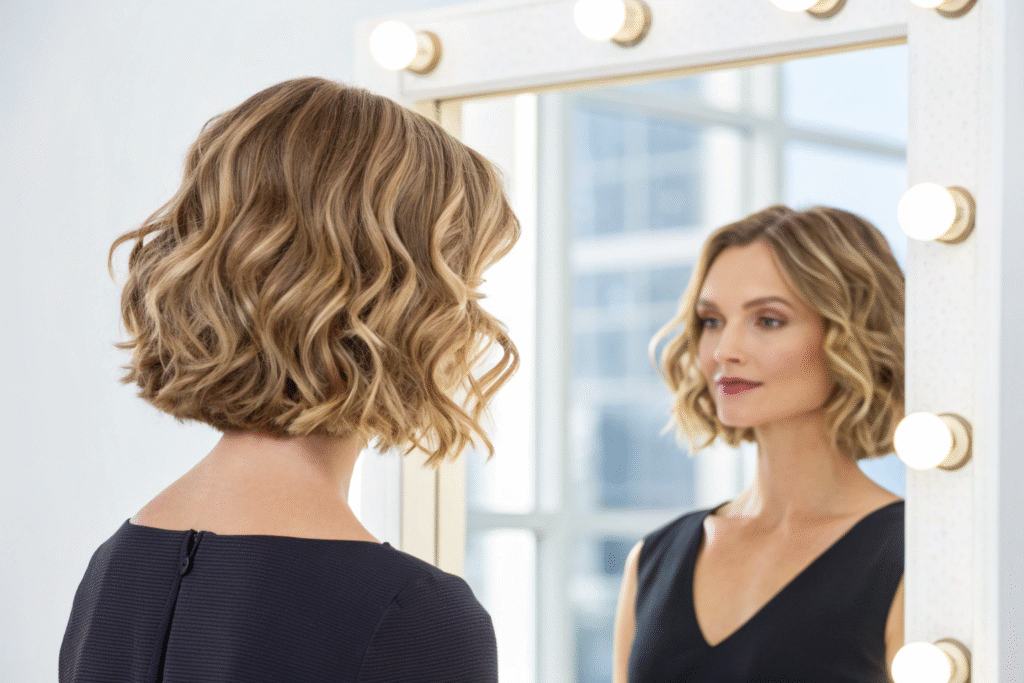
What factors should I consider when buying my first synthetic wig?
When I guide first-time buyers, I focus on five pillars: fiber, cap construction, length/style, color, and use case. These choices determine how natural your wig looks, how comfortable it feels, and how easy it is to live with day to day.
1) Fiber: standard synthetic vs. heat-friendly
- Standard synthetic
- Pros: Lowest maintenance; holds its style even in humidity; most affordable.
- Cons: Cannot be restyled with heat; style is essentially “set.”
- Heat-friendly (heat-resistant) synthetic
- Pros: Can be styled with low-heat tools (usually up to 250–300°F / 120–150°C); more flexibility.
- Cons: Slightly pricier; requires care not to overheat; may need light restyling over time.
My take: If you want absolute simplicity, go standard synthetic. If you like to tweak curls or smooth ends occasionally, go heat-friendly. For beginners who plan to experiment later, heat-friendly is a solid middle ground.
2) Cap construction: realism vs. simplicity
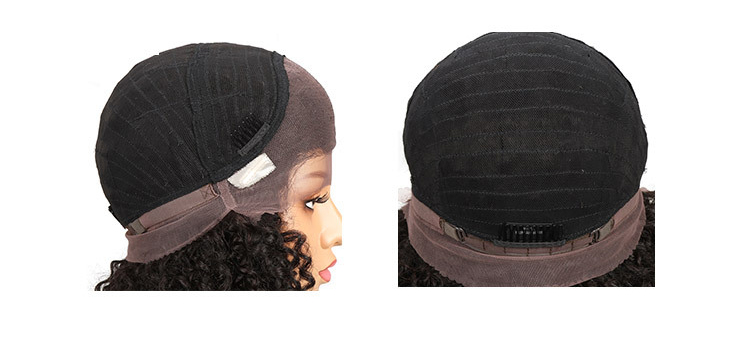
- Basic wefted cap: Breathable, affordable, lightweight. Great for everyday comfort.
- Lace front: Sheer lace along the hairline for natural-looking edges—ideal for new wearers seeking realism.
- Mono part / mono top: Hand-tied part or top area that mimics natural scalp and lets you change the part.
- Fully hand-tied: Most natural movement and lightest feel, but typically premium-priced.
My take: A lace front plus a mono part is a beginner sweet spot: it looks real at the hairline and parting without full lace maintenance. Pair it with adjustable straps for a secure, comfy fit.
3) Length and density: manageability matters
- Short to mid-length (ear to shoulder): Less tangling, easier detangling, faster drying after washes.
- Lighter density: Looks more natural and feels cooler; avoids the “helmet” effect.
My take: Shoulder-length waves, straight bobs, or soft lobs are beginner-friendly. Skip high-density, waist-length hair until you’re comfortable with detangling and care.
4) Color: start close to your natural shade
- Easiest transition: Choose a color similar to your natural hair or a subtle rooted blend.
- Skin tone harmony: Warm skin tones tend to pair well with golden, honey, or chestnut hues; cool tones lean toward ash browns, cool blondes, and neutral blacks.
- Highlights and rooting: Soft highlights or a shadow root add dimension and realism without daily styling.
My take: I usually suggest staying within one or two shades of your natural color for your first wig. You can always explore bold colors once you’re used to wearing one.
5) Use case: daily wear vs. occasional use
- Daily wear (long-term): Prioritize breathability, lightweight caps, and durability. Consider backup wig or interchangeable styles.
- Occasional/short-term: You can prioritize a specific look or trend without worrying about intense longevity.
My take: If you’ll wear it daily, go with a breathable cap, lighter density, and a style that fits your routine. For special events, you can choose more dramatic lengths or densities.
Quick comparison: beginner-friendly features
| Feature | Why It Matters | Best For Beginners |
|---|---|---|
| Heat-friendly fiber | Light styling flexibility with low heat | Yes, if you may restyle |
| Lace front | Natural-looking hairline | Highly recommended |
| Mono part | Realistic part and scalp look | Recommended |
| Wefted cap | Breathability and budget-friendly | Strong starting point |
| Light density | Comfort and realism | Recommended |
| Short–mid length | Less tangling, easy care | Ideal first wig |
How do I determine the best cap size and fit for my synthetic wig?
Fit is the difference between a wig you love and one you never wear. I learned early on to measure my head properly and use the cap’s built-in adjustments for a secure, comfortable feel.
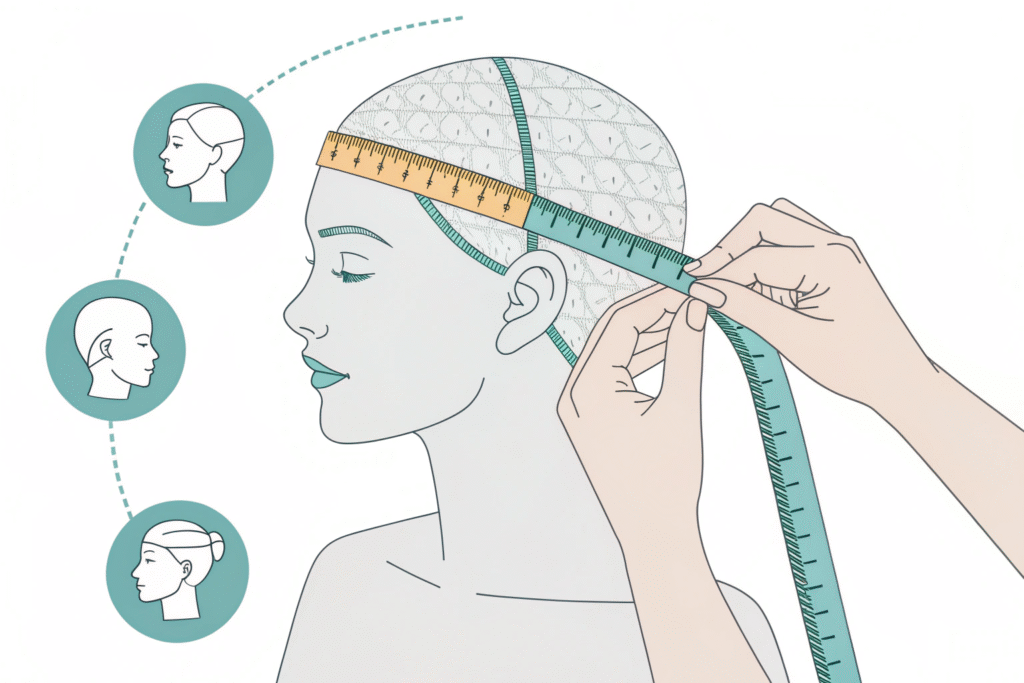
Measure your head in three key ways
Use a soft tape measure and note the numbers in inches or centimeters:
- Circumference: Around your hairline (temple–nape–other temple–front).
- Front to nape: From hairline at the forehead over the crown to the nape.
- Ear to ear (across top): From ear to ear across the top of your head.
Most brands publish size charts; compare your measurements to determine if you need petite, average, or large.
Typical ranges (varies by brand):
- Petite: ~20.5–21.5 in (52–54.5 cm) circumference
- Average: ~21.5–22.5 in (54.5–57 cm)
- Large: ~22.5–23.5 in (57–60 cm)
Adjust for a secure, comfy fit
- Adjustable straps: Most beginner-friendly caps have Velcro or hook straps to tighten/loosen ~0.5–1 inch.
- Ear tabs: Align them evenly; they help the wig sit straight and comfortably.
- Combs/clips (optional): Some caps include them; use lightly to avoid tension.
- Wig grip band: A soft velvet band under the wig can improve security without adhesive.
My fit checklist:
1) Put hair in a flat base (wig cap with hair braided or smoothed back).
2) Align ear tabs and adjust straps until snug but not tight.
3) Check the lace front: it should sit just in front of your natural hairline.
4) Lightly trim excess lace (if uncut) following the natural curve.
Breathability and daily comfort
If you’ll wear your wig for hours, breathable mesh wefts and lighter density make a big difference. I also avoid heavy updos on hot days and use a moisture-wicking wig cap liner for comfort.
Cap size and feature comparison
| Cap Type | Ventilation | Adjustability | Realism at Hairline | Best Use |
|---|---|---|---|---|
| Basic wefted | High | High (straps) | Moderate | Daily comfort on a budget |
| Lace front + wefted | High | High | High | Natural look + breathability |
| Mono part + lace front | Moderate–High | High | Very high | Realistic part + easy styling |
| Full hand-tied | High | Moderate | High | Premium comfort and movement |
What synthetic wig styles would be easiest for me to maintain daily?
When I’m coaching first-timers, I steer them to styles that look polished with minimal effort and resist tangling. The goal is confidence with low maintenance.
Beginner-friendly lengths and cuts
- Pixie and short crops: Fastest to put on and go; almost no detangling.
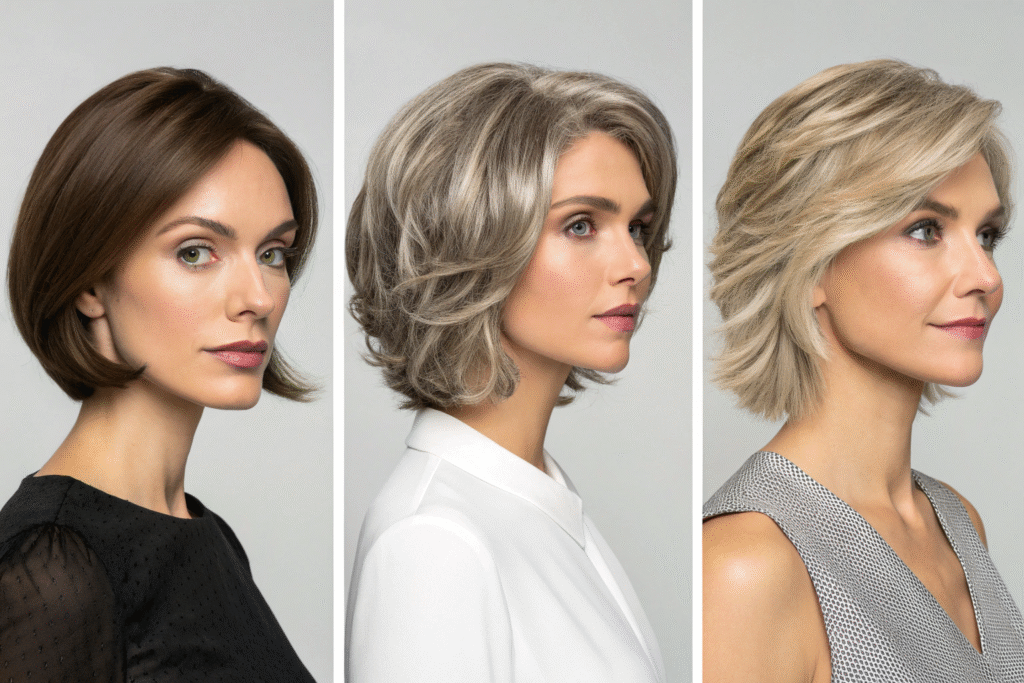
- Bobs (chin to shoulder): Classic, wearable, and low-maintenance; straight or softly wavy.
- Shoulder-length waves: A touch of movement disguises fibers and adds realism without long-hair upkeep.
Styles I often recommend:
- Sleek bob with a light density and lace front.
- Soft, shoulder-length lob with a mono part and subtle layers.
- Textured pixie for ultra-low maintenance and a bold, modern look.
Density, texture, and fringe tips
- Light to medium-light density: Feels airy and looks believable.
- Straight or soft wave textures: Less tangling than tight curls or long, layered waves.
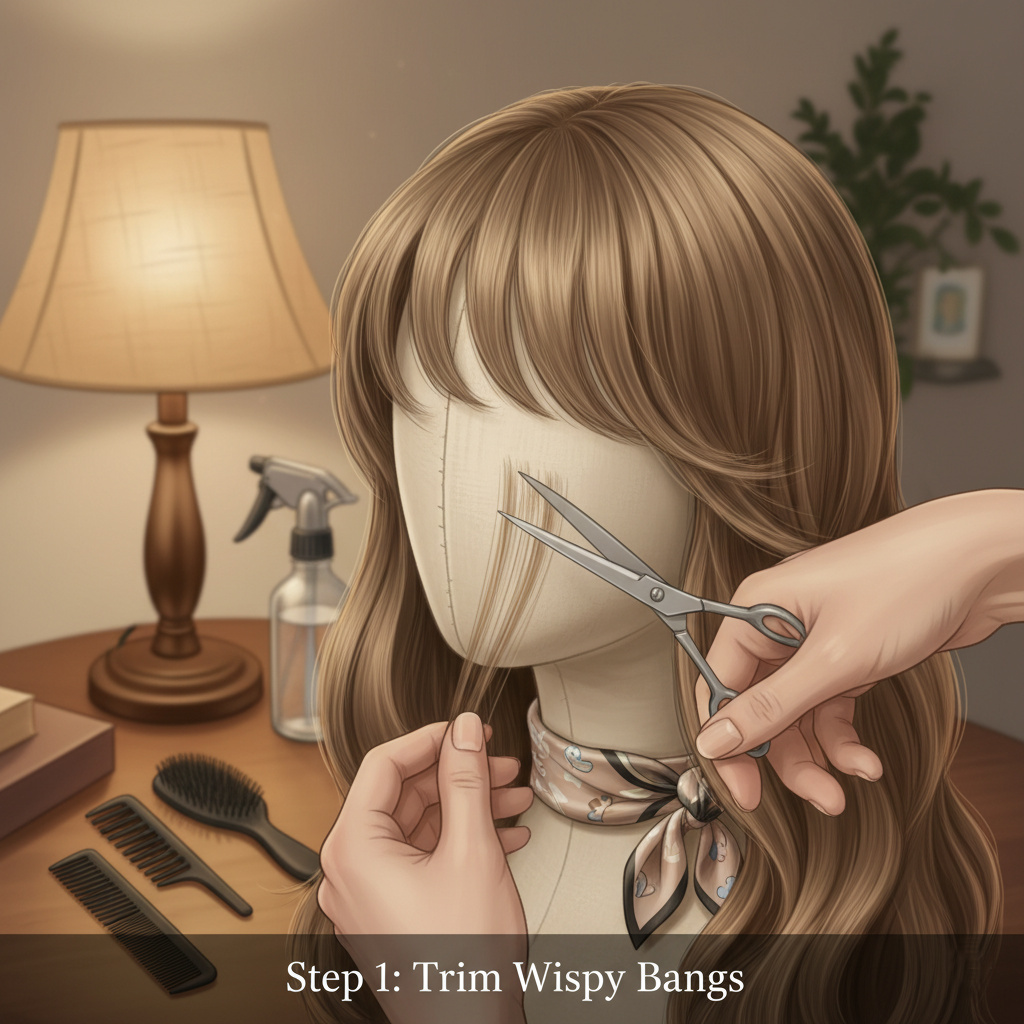
- Fringe/bangs: Side-swept or wispy bangs can conceal the hairline and reduce lace-blending stress.
Color choices that simplify daily wear
- Start near your natural shade or a rooted blend for depth.
- Subtle highlights add dimension without daily styling.
- If you’re unsure, neutral browns or soft brunettes tend to be forgiving.
Everyday care routine that works
Here’s the simple process I follow for daily wear:
- Morning: Shake out the wig, finger-comb, and use a wide-tooth comb on the ends if needed.
- During the day: Carry a small detangling comb for nape tangles (especially with collars/scarves).
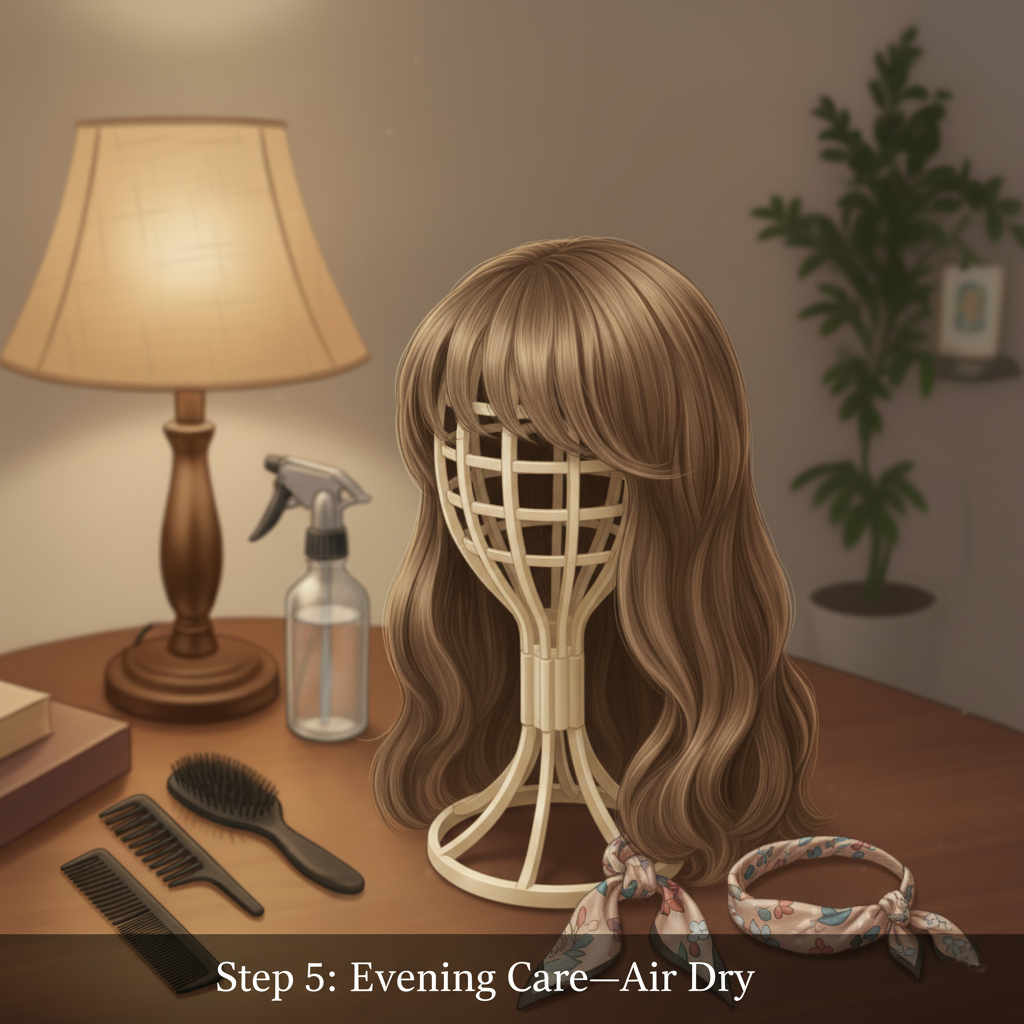
- Evening: Place the wig on a stand to air out and maintain shape.
Care cycle:
- Washing: Every 6–10 wears for standard synthetic (or as needed). Use wig-specific shampoo/conditioner and cool water. Air dry on a stand—no blow-dryer for standard synthetic.
- Heat-friendly styling: Only if labeled heat-safe; use low heat within the brand’s recommended temperature.
Can I customize my synthetic wig if I want a different look later?
Absolutely. One reason I recommend heat-friendly synthetic for some beginners is that it leaves the door open for personalization. Even with standard synthetics, you can still tailor the look.
Easy, beginner-safe customizations
- Trim and shape: Have a stylist trim bangs, soften the perimeter, or reduce bulk. I always bring the wig on my head for the final check.
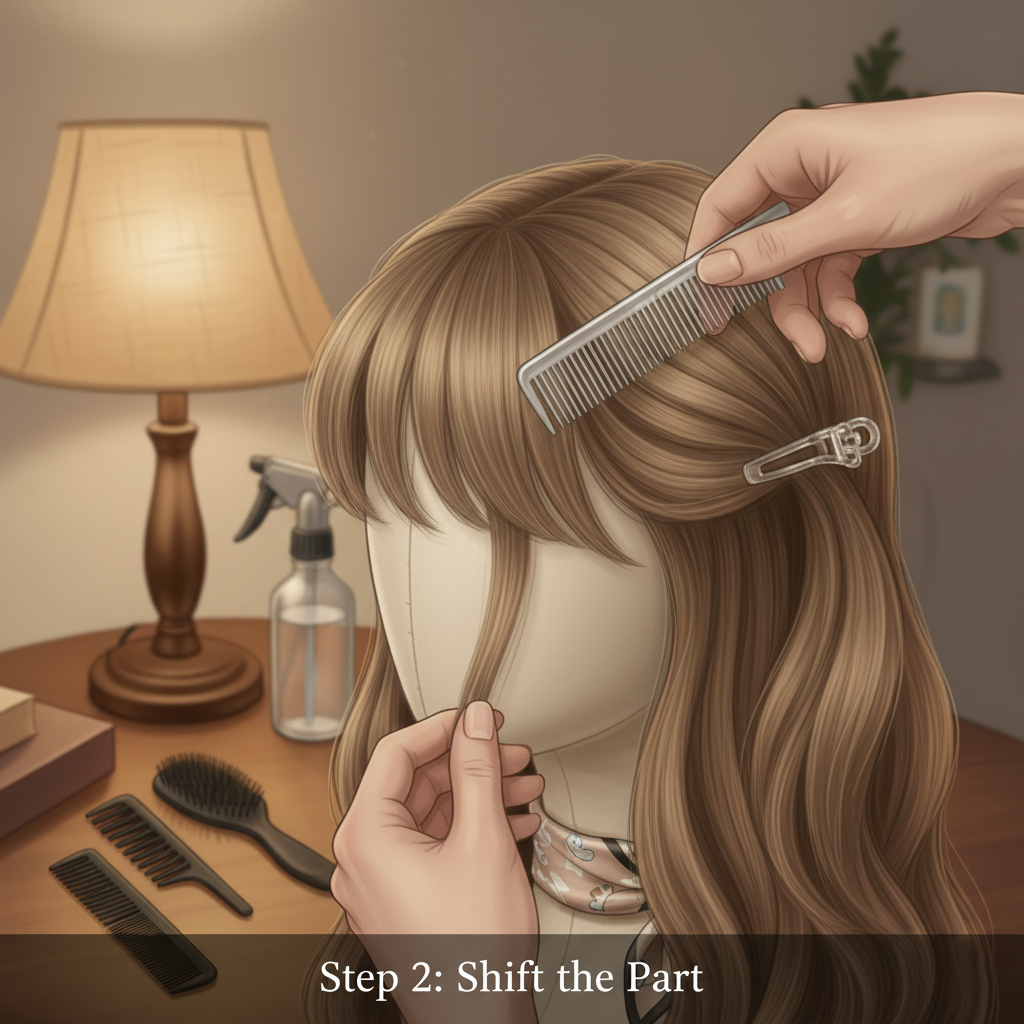
- Parting change: On mono-part or mono-top wigs, you can shift the part slightly for a fresh look.
- Thinning: Light thinning around the crown or sides can improve realism if density feels too heavy.
- Accessories: Headbands, scarves, clips, and small claw clips can transform the vibe instantly.
Heat-friendly styling tips
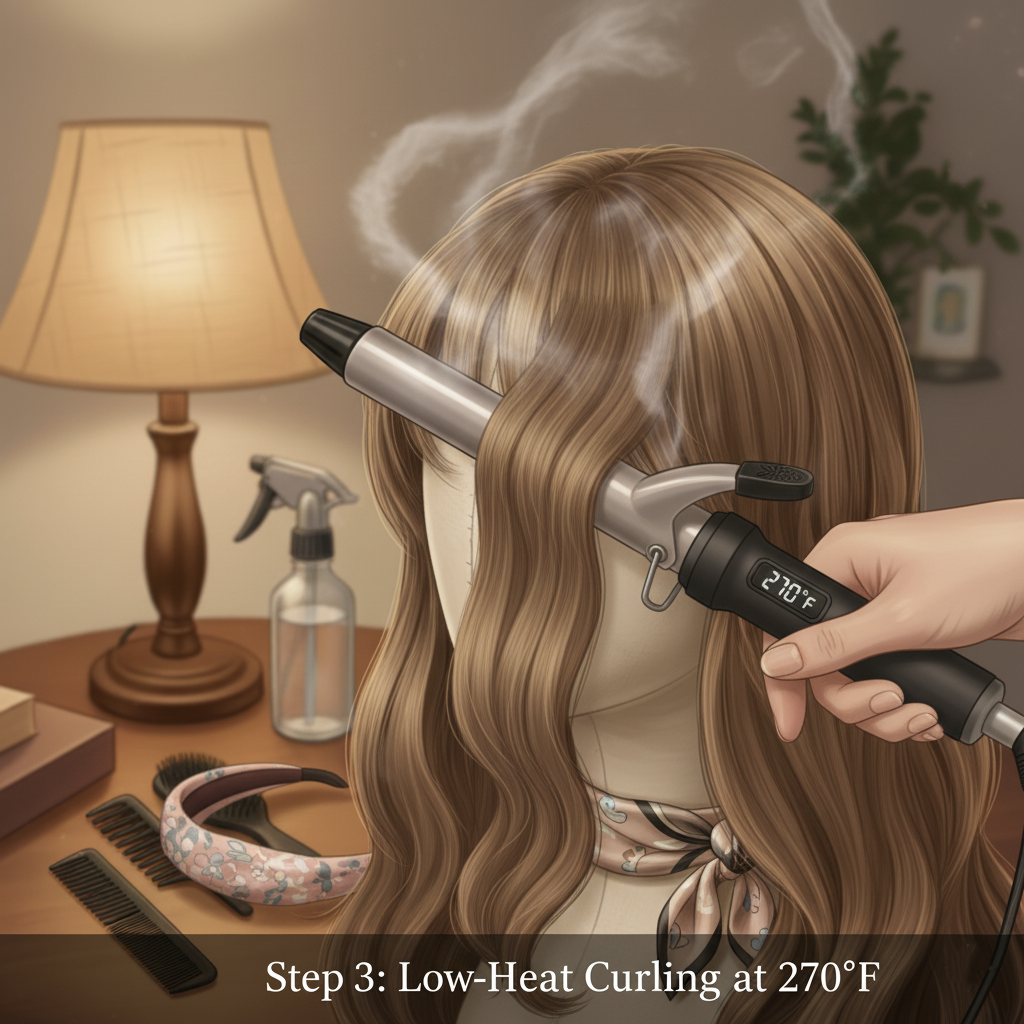
- Temperature limits: Respect the brand’s guidelines (commonly 250–300°F / 120–150°C).
- Tools: Use a flat iron with accurate temp control or set a curling iron to low heat; always test a small section first.
- Setting and cooling: Let curls cool completely before touching to help the fiber “set.”
Color changes and fibers
- Traditional dye won’t take to synthetic fibers. Instead:
- Choose pre-dyed shades from the brand’s line.
- Explore rooted or highlighted color variants of the same model.
- Consider exchanging colors within the return window if the brand allows.
Advanced options (when you’re ready)
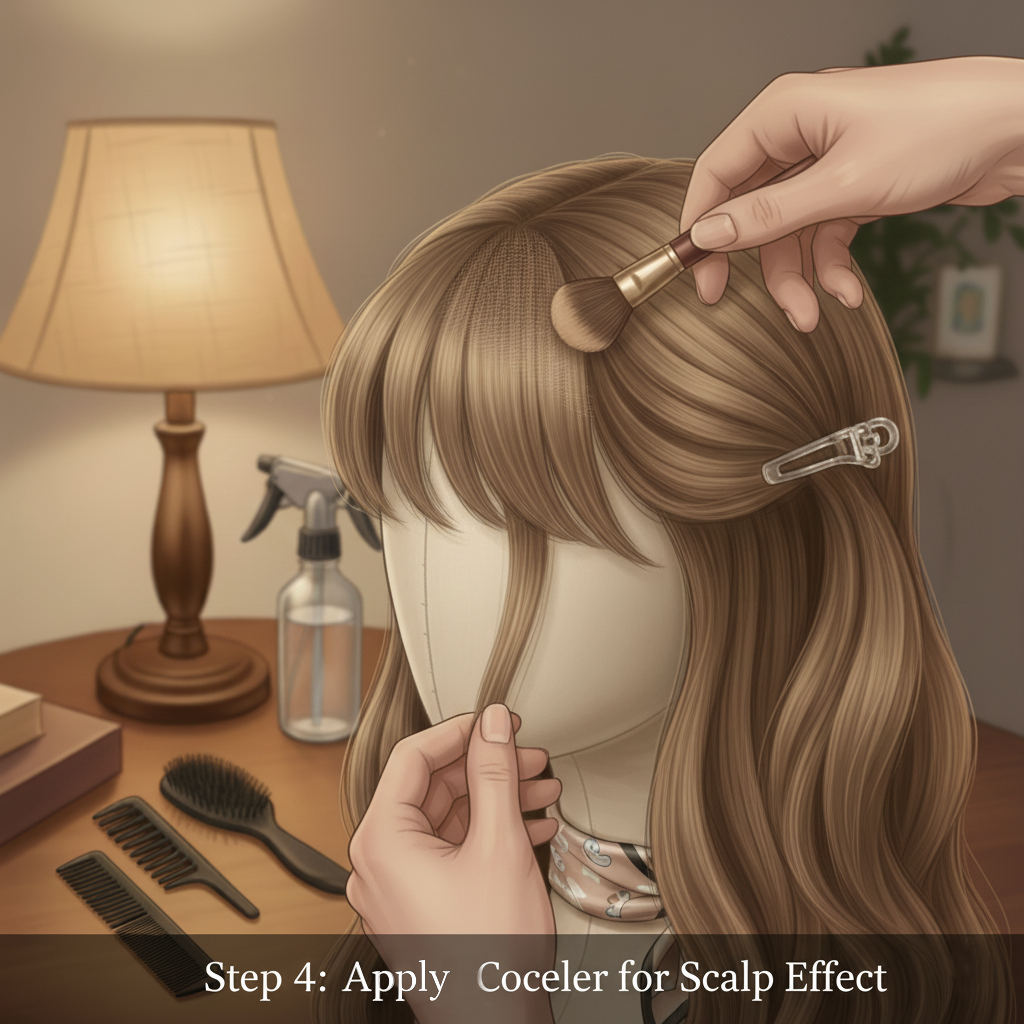
- Lace customization: Carefully pluck the hairline or add a tiny bit of concealer to the part for a scalp effect. Go slowly; over-plucking can shorten the wig’s lifespan.
- Small heat adjustments: On heat-friendly fiber, add a few soft bends or flip the ends to change the silhouette.
Pro tips from my own trials
- Always customize conservatively first—you can’t add hair back once it’s cut or thinned.
- Practice on an older or budget wig before you adjust a new favorite.
- Keep a wig stand handy for styling and post-wash drying to preserve shape and life.
Conclusion
Buying your first synthetic wig doesn’t have to be daunting. Based on my experience, I’d start with a lightweight, lace-front synthetic in a short-to-mid length—think a straight or softly wavy bob or lob—with light density and a color close to your natural shade. If you’re curious about styling later, heat-friendly fiber is worth the small price bump.
Remember the essentials: measure your head for a secure fit, use adjustable straps and a wig grip for comfort, and keep maintenance simple with wig-safe products, gentle detangling, and proper storage on a stand. With the right cap construction and a beginner-friendly style, you’ll get a natural look, easy daily wear, and the confidence boost that makes wig-wearing genuinely enjoyable.
If you want, tell me your head measurements, preferred length, everyday climate, and budget—I’ll help you shortlist specific beginner-friendly models so your first wig feels like it was made for you.