
How do I create natural partings on lace front human hair wigs?
I’ve customized thousands of lace fronts for brands and private-label clients, and the same question always comes up: how do we make the part read

I’ve customized thousands of lace fronts for brands and private-label clients, and the same question always comes up: how do we make the part read

I spend a lot of time inside factories and QA rooms watching how small styling decisions turn into warranty claims. From synthetic fibers that glaze
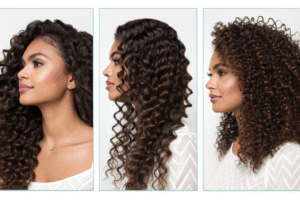
I’ve spent years inside wig factories and on the procurement side, fixing “helmet hair,” flat crowns, and bulky ends that sabotage realism. The pain points
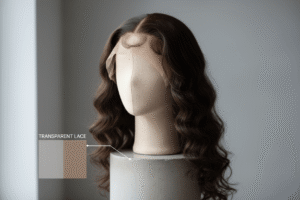
I spend a lot of time with brand owners, factory managers, and installation teams debating the “hairline question.” Pre-plucked frontals and baby hairs feel like
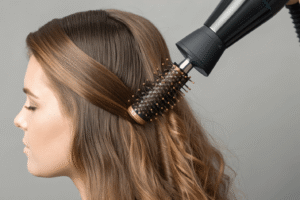
We’ve all had that “almost perfect” wig moment: the lace looks great in the bathroom mirror, but under studio lights the hairline shines, the curls

I’ve spent years specifying lace systems for brands and OEM wig factories, testing batches from Chinese and Indian suppliers, and troubleshooting installs for wholesale clients.
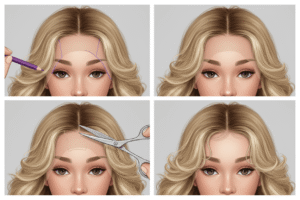
I’ve spent years in wig manufacturing and post-production finishing rooms, watching what separates a clean, natural-looking trim from an expensive mistake. At the factory level,

I get this question weekly from brand owners and procurement teams comparing vendor quotes side by side: same “10A” claim, wildly different density at the
I see the same avoidable mistakes derail otherwise solid purchasing plans—both with individual end-users and B2B teams speccing private-label lines. I’ve sat in factories watching