
I spend a lot of time with brand owners, factory managers, and installation teams debating the “hairline question.” Pre-plucked frontals and baby hairs feel like small features, but they have outsize impact on realism, install speed, and post-sale satisfaction. I’ve seen procurement teams pay for premium hair and HD lace, only to lose customer confidence because a dense, uniform hairline made the piece look “wiggy” in bright lighting or on camera. Conversely, I’ve seen subtle, well-executed baby hairs and a consistent pre-pluck resolve QC complaints and reduce return rates.
Pre-plucked hairlines and baby hairs matter when realism, speed, and close-up performance are priorities. A clean, consistent pre-pluck reduces front-edge bulk and installation time, while subtle baby hairs help camouflage lace edges and knot grids under HD lace. Heavy baby hairs can signal poor hairline design, and over-plucking shortens lifespan. The right specs—density map, graduated hairline, knot treatment, and baby-hair parameters—ensure repeatable factory execution.
If you’re sourcing or customizing hairlines across SKUs, I’ll break down how pre-plucked frontals save minutes at the chair, how subtle baby hairs support HD lace in real-world lighting, when heavy baby hairs are a QC red flag, and the exact specs to include in custom POs so factories deliver consistent results at scale.
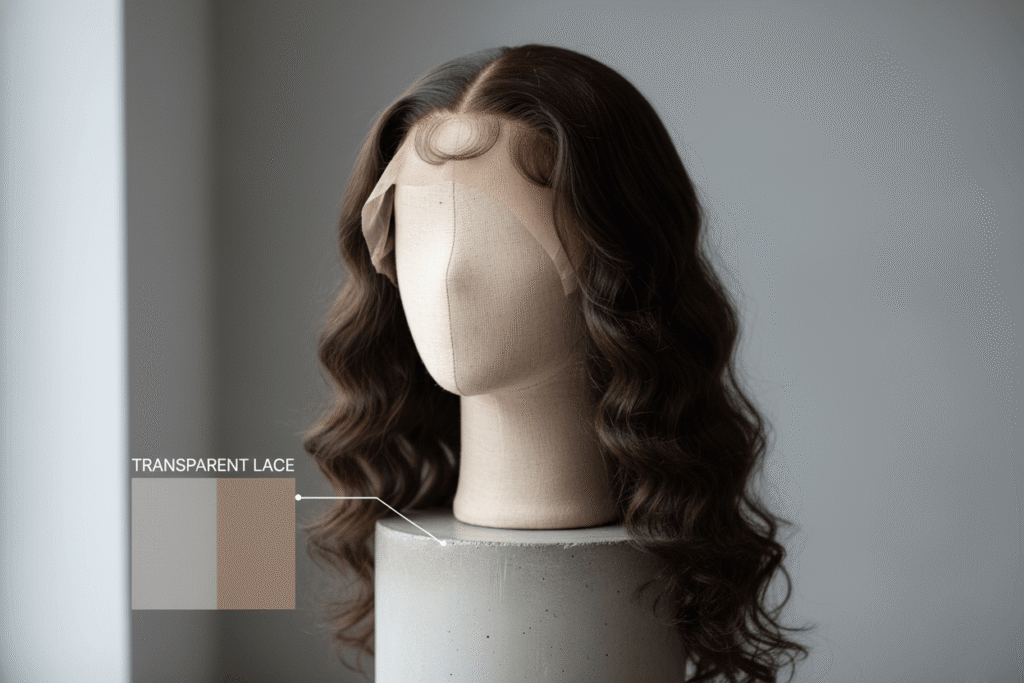
How do pre-plucked frontals save me install time?
What “pre-plucked” really controls
In my experience, pre-plucked hairlines are about density management along the first 0.5–1.5 cm of the frontal. When factories reduce bulk near the edge and graduate the density into the body of the unit, you get a softer, more realistic transition that mimics natural growth (finer at the perimeter, fuller behind). This translates to fewer minutes of tweezing and less risk of over-thinning or tearing lace during onsite customization.
Time savings in the chair
- Reduced tweezing: A good pre-pluck cuts manual tweezing by 60–90%. Beginners especially avoid the steep learning curve and mistakes that compromise lace integrity.
- Faster product-to-photo: For DTC brands and salons, pre-plucked units reach “shoot-ready” with minimal edge work—just tint, melt, and style.
- Lower adhesive dependency: A clean pre-pluck often lays flatter, improving adhesion and reducing the need for aggressive gels or sprays.
Operational advantages for B2B teams
- Lower variance across installers: You remove a skill-sensitive step, standardizing results across different markets and technicians.
- Fewer returns/complaints: Customers perceive “out-of-box realism,” reducing complaints about “helmet” density at the hairline.
- Better durability: Minimal post-purchase tweezing reduces lace damage and knot breakage.

Can subtle baby hairs improve realism under HD lace?
Why subtle wins under HD lace
HD lace performs best when the edge visually disappears into skin tone. Subtle, wispy baby hairs act like a visual diffuser: they break up the straight lace edge, obscure knot grid patterns, and help hide minor tinting mismatches. On close-ups or bright lighting (retail stores, stage, studio shoots), delicate baby hairs soften the line without creating a contrived “edge.”
Functional benefits
- Camouflage for imperfections: Sparse baby hairs help disguise visible knots and grid, especially on darker bases or when bleaching is light to protect hair strength.
- Edge coverage for glueless installs: If you prefer minimal adhesives, baby hairs can bridge small gaps at the perimeter without looking heavy.
- Realism for fine or receded natural hairlines: Subtle baby hairs better mimic naturally lighter temple and widow’s peak areas than a blunt line.
Keep them strategic
I specify baby hairs to be sparse, strategic, and consistent in length (1.5–2.0 cm) with a light taper. Overlong or thick edge hairs fight the lace melt, collect product buildup, and create maintenance burdens in humidity or high-activity contexts.
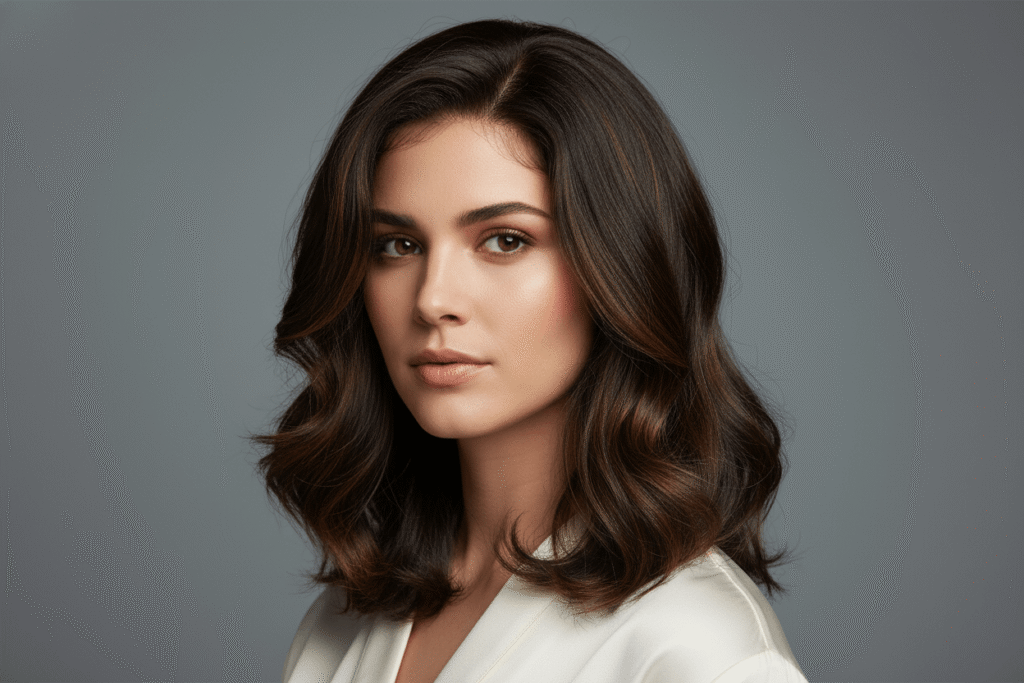
Are heavy baby hairs a red flag for poor hairline design?
What heavy baby hairs often hide
When I see thick, uniform baby hairs across the entire perimeter, it’s usually masking one or more of these issues:
- Unmodified front density: The factory didn’t graduate the hairline, so they used volume at the edge to “fake” softness.
- Large, visible knots: Heavy hairs distract the eye from knots that should have been bleached, singled, or split.
- Coarse fibers at the perimeter: Using higher-denier strands near the edge makes melting difficult; heavy baby hairs become a bandage, not a solution.
Maintenance and lifespan impacts
Over-plucked hairlines and excessive baby hairs shorten lifespan. Thin edges may shed faster, and dense baby hairs trap product, requiring frequent cleanup and risking breakage. For humid or active customers, heavy baby hairs are high-maintenance and quickly look messy.
Red flags I use in vendor audits
- Uniform, thick baby hairs from ear-to-ear
- No density gradient in the first 1 cm
- Coarse perimeter fibers or inconsistent knot sizes
- Reliance on edge “styling” to achieve realism instead of structural hairline work
What specs should I include in my custom hairline orders?
Hairline density map (core spec)
- Front edge density: 60–75% of base density in the first 0.5 cm
- Gradual ramp: +10–15% per 0.5 cm until base density is reached by 1.5–2.0 cm
- Temple dips: Slightly lower density at temples to mimic natural recession
- Widow’s peak: Optional micro-peak with lighter density
Knot and strand treatment
- Knot size: Single knots at the first 0.5–1.0 cm; split knots behind for strength
- Bleaching: Light-to-medium bleach at the hairline only; avoid over-bleaching to preserve strand integrity
- Strand selection: Finer denier at perimeter (match donor texture); maintain Remy alignment to prevent frizz at the edge
- Ventilation direction: Randomized or micro-directional at the hairline to avoid uniform “row” look
Baby hair parameters
- Distribution: Sparse, strategic clusters; avoid continuous band
- Length: 1.5–2.0 cm with tapered ends
- Density: 30–40% of edge density; use finer fibers
- Placement: Focus on temples, slight widow’s peak, and nape for updos; keep parting area minimal for versatility
Lace and base considerations
- Lace type: HD or ultra-fine Swiss at hairline; mid-weight Swiss behind for durability
- Lace tone: Neutral beige that tints easily; specify tint compatibility and porosity
- Cap construction: Hand-tied at hairline rows; machine wefted or hybrid behind for cost control
QC checkpoints and test methods
- Visual: Macro photo under 5600K LED to evaluate knot visibility and edge melt
- Tactile: Gentle tug test on hairline to assess over-pluck risk
- Wash test: One shampoo cycle to check baby hair behavior and lace tint uptake
- Adhesion test: Light adhesive or glueless fit to confirm flat lay without heavy edge work
Example hairline spec table (include in PO)
| Parameter | Target Spec | Tolerance |
|---|---|---|
| Edge density (first 0.5 cm) | 60–75% of base density | ±5% |
| Density ramp (per 0.5 cm) | +10–15% until 1.5–2.0 cm | ±5% |
| Knot size at edge | Single knots (0–1.0 cm) | No double knots |
| Bleach level | Light–medium at edge only | No over-bleach halos |
| Baby hair length | 1.5–2.0 cm, tapered | ±0.3 cm |
| Baby hair density | 30–40% of edge density | ±5% |
| Lace type at hairline | HD/ultra-fine Swiss | Consistent gauge |
Install-time impact table
| Feature | Time Saved at Install | Risk Reduction |
|---|---|---|
| Pre-plucked gradient | 20–40 minutes | Less lace damage, fewer returns |
| Single/split knots mix | 10–15 minutes | Better bleach outcomes, durability |
| Subtle, sparse baby hairs | 5–10 minutes | Less edge product, easier cleanup |
Integrating the provided insights
- Pre-plucked hairlines reduce bulk and look more natural; they also cut styling time and tweezing, which speeds beginner installs.
- Baby hairs soften and camouflage the lace edge, hide minor tinting or knot imperfections, and help glueless installs—but a clean pre-pluck often matters more for a seamless melt.
- Heavy, unplucked front density looks less realistic and demands significant customization; excessive baby hair or over-plucking shortens lifespan and increases maintenance.
- For fine or receded natural hairlines, a subtle pre-pluck mirrors natural patterns better than relying on baby hairs alone.
- In humid or high-activity conditions, minimal baby hair with a well-plucked line stays neater.
- If you plan frequent part changes or updos, keep baby hairs sparse and ensure a consistent pre-pluck around the perimeter for versatility.
Conclusion
Pre-plucked hairlines and baby hairs aren’t just aesthetic add-ons—they’re operational levers. A well-specified pre-pluck reduces chair time, standardizes results across installers, and elevates realism without heavy edge work. Subtle, strategic baby hairs improve HD lace performance under bright lighting and help camouflage minor imperfections, while heavy baby hairs often indicate weak hairline engineering and increase maintenance. If you’re issuing custom orders, anchor your POs with a density map, knot and strand parameters, baby-hair distribution, and lace specs, plus clear QC tests. That’s how you turn “hairline features” into measurable improvements in speed, realism, and product longevity.