
What developer strengths and processing times should I use?
I’ve colored thousands of human hair systems across Remy, virgin, and processed grades, and I know the headaches B2B teams face: inconsistent lifts, surprise brassiness, shedding from over-bleached knots, and post-color dryness that turns premium hair into a short-lived SKU. Unlike bio hair, wigs don’t benefit from scalp oils or natural repair cycles, so we have to build protection into the process—starting at procurement (hair origin and classification), through prep (clarifying and strand tests), and into the service window (developer choice, timing, bond-builders, and moisture recovery).
Dyeing or bleaching a human hair wig safely starts with hair grade and developer control. Use virgin or Remy human hair, clarify and fully dry before color, pre-test strands, and work with 10–20 volume developer for dyeing and subtle lift. For significant lightening, apply bleach in thin, even sections with 10–20 volume developer, monitor every 5–10 minutes, and stop when the desired undertone appears. Bleach knots more conservatively than the overall wig, and restore with bond-builders, protein masks, and moisture-focused aftercare.
I’ll walk through developer strengths and timing, show how I pre-test for even lift, explain why lace/knot bleaching needs different parameters than overall color, and finish with a pragmatic moisture-recovery protocol. I’ll also embed your notes into each operative stage and include simple visuals and tables for fast team training.
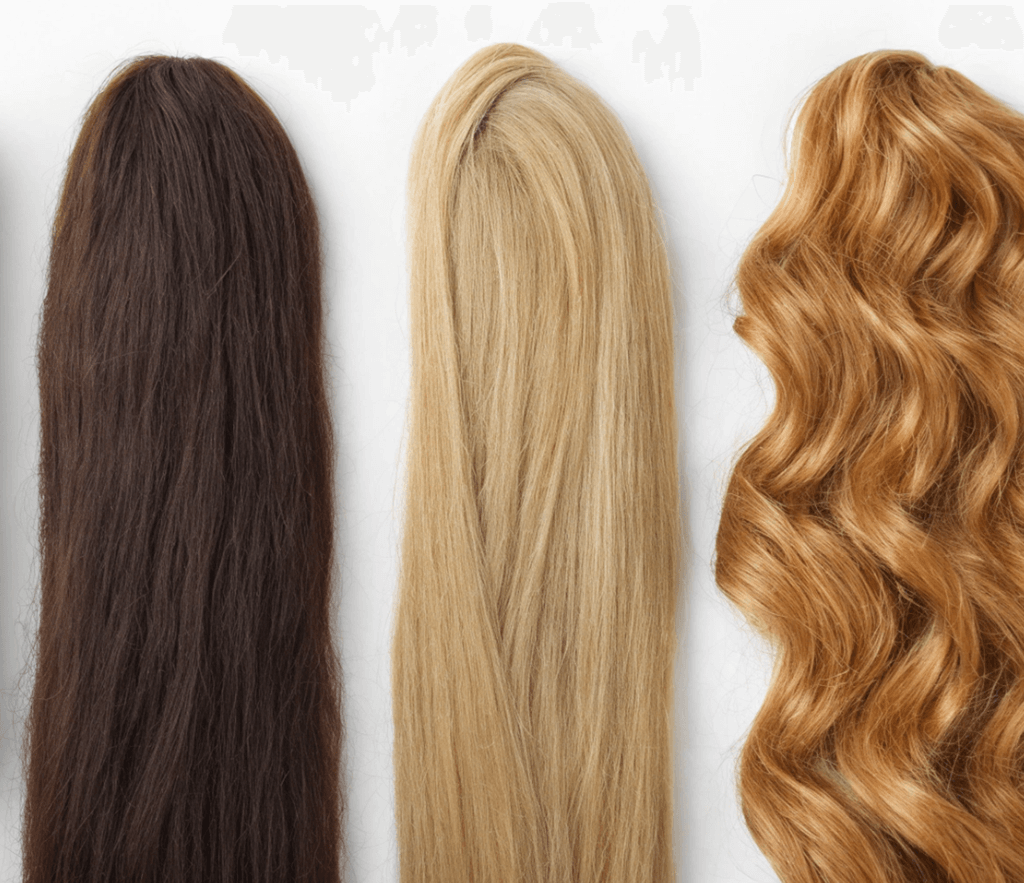
Developer Strengths: What to use and for how long
Match developer to hair grade and objective
- Virgin or true Remy (cuticles intact, aligned) from India, Southeast Asia, or Eastern Europe generally tolerates lower developers and lifts more predictably.
- Non-Remy or previously processed hair (acid-bath, silicone-coated, pre-colored) is more fragile—use conservative volumes and longer observation cycles.
For dyeing (darkening or subtle lift)
- 10 volume: deposit-only or very gentle shift (0–1 level). Ideal for toners and demi-permanent color.
- 20 volume: modest lift (1–2 levels) with controlled alkalinity. My default for most professional permanent dyes on wigs.
- Avoid high-volume developers (30–40) for dyeing; they raise cuticles aggressively and increase porosity and frizz.
For bleaching (significant lightening)
- 10–20 volume: safest range for wigs. Achieve 1–3 levels depending on hair origin and prior processing.
- Monitor every 5–10 minutes; typical total window is 15–45 minutes. Stop when the underlying pale yellow/peach you need for your target tone appears.
- Avoid 40 volume on wigs; the cuticle swelling and bond breakage risk isn’t worth the speed.
Practical timing guide (baseline, then confirm via strand test)
- Virgin Indian/SEA Remy: 10–20 vol bleach, 20–35 minutes total, check every 5–10.
- Eastern European virgin: lifts fast; start 10 vol, 15–25 minutes, check every 5.
- Previously dyed/process-treated: 10 vol only; expect slower, uneven lift; stop as soon as integrity looks compromised.
Table: Developer selection by objective
| Objective | Recommended Developer | Typical Timing Window | Notes |
|---|---|---|---|
| Darkening / deposit | 10 vol | 20–30 min | Prefer ammonia-free or low-ammonia systems |
| Subtle lift (1–2 levels) | 20 vol | 25–35 min | Strand-test mandatory for uniformity |
| Significant lightening (2–3 levels) | 10–20 vol bleach | 15–45 min | Monitor every 5–10 min; stop at target undertone |
| Knot bleaching | 5–10 vol bleach | 3–12 min | Ultra short windows; prioritize lace integrity |
Your note integration:
- I choose 100% human hair labeled Remy or virgin whenever possible; untreated cuticles tolerate chemical services better and deliver predictable lift and tone.
- I use professional, ammonia-free or low-ammonia dyes with 10–20 volume for dyeing; I avoid high-volume developers that spike porosity and raise cuticles excessively.
- For major lightening, I work thin sections, 10–20 vol, and actively monitor every 5–10 minutes, stopping at the right undertone rather than chasing “maximum lift.”
How do I pre-test strands to avoid uneven lift or breakage?
Pre-tests save SKUs. A 5-minute test can prevent lace weakening, excess shedding, and uneven bands that force rework.
Strand test protocol (hidden section)
- Prep: Wash with a clarifying shampoo to remove silicones/product buildup; air-dry completely. Conditioning pre-bleach blocks penetration—skip it.
- Select a hidden bundle near the nape or interior wefts. Isolate 30–50 strands.
- Mix color or bleach as planned. Apply evenly, fully saturating from mid to ends, then roots if needed (on wigs, roots can be more porous; check carefully).
- Time in 5-minute checks. Record: lift per interval, elasticity, feel, and any slippage/shedding.
- Rinse thoroughly. Neutralize bleach with a neutralizing or pH-balancing shampoo.
- Tone the test fiber with a demi-permanent toner or purple/blue toner to preview final tone on that base.
- Evaluate: If porosity spikes or elasticity drops, reduce developer, shorten timing, or switch to staged lightening.
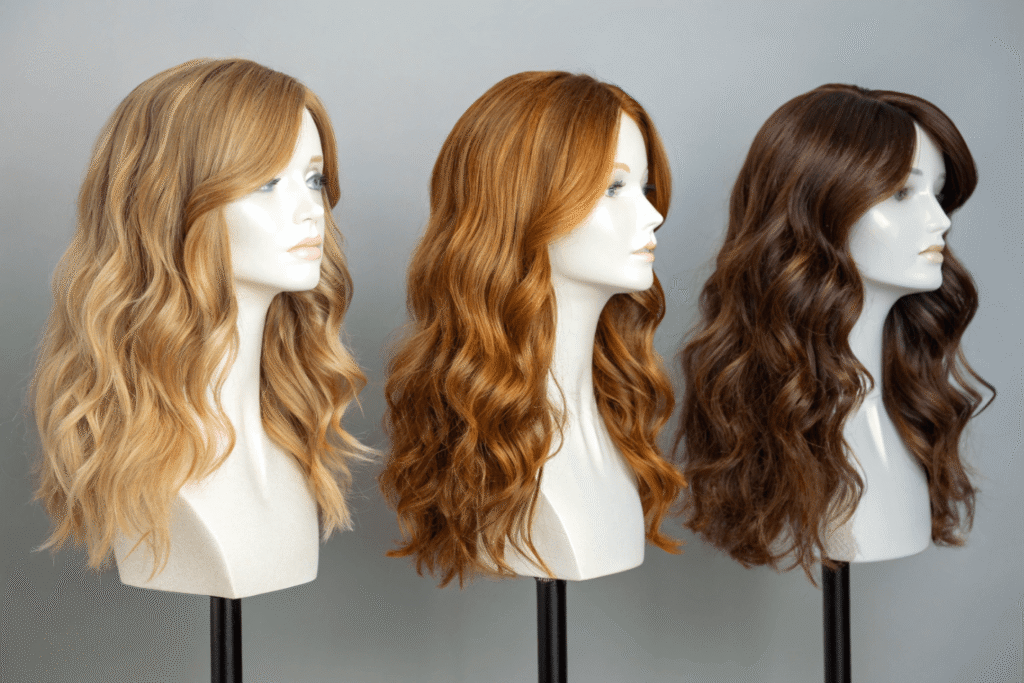
Your note integration:
- I always perform a strand test first to gauge processing time, color outcome, and potential damage before committing the entire wig.
- I clarify and let the wig air-dry completely before testing; buildup creates blotchy lifts and uneven dye uptake.
Does knot bleaching require different timing from overall color?
Yes—knot bleaching is a different risk profile. You’re not just lifting hair; you’re protecting a lace substrate and microscopic ventilation knots.
Why it differs
- Lace fiber (Swiss HD, French lace) degrades with alkaline exposure. Over-bleaching weakens the lace and releases knots, leading to shedding and bald spots.
- Knots are small and lift quickly; they require far shorter windows than full-length strands.
Best practices
- Use lower developer (5–10 vol) with bleach for knots, never 20–40 vol.
- Apply from the underside of the lace with a whipped, thick consistency to avoid bleed-through to lengths.
- Processing window: 3–12 minutes, check every 2–3 minutes. Stop as soon as the knots reach a soft brown/blonde that mimics scalp.
- Rinse thoroughly with cool water. Neutralize immediately to halt oxidation. Pat—not rub—the lace.
- Do not repeatedly bleach knots. If you need more scalp realism, consider tinting the lace, using lace grids with pre-bleached knots, or using a scalp-tint mousse/powder.
Your note integration:
- I avoid bleaching knots or lace repeatedly; I use a low-volume developer and ultra-short timing to minimize shedding and lace weakening.
Table: Knot vs overall bleaching
| Parameter | Knot Bleaching | Overall Wig Bleaching |
|---|---|---|
| Developer | 5–10 vol | 10–20 vol |
| Consistency | Thick/paste to prevent seepage | Cream for even saturation |
| Timing | 3–12 min (check every 2–3) | 15–45 min (check every 5–10) |
| Risk | Lace weakening, knot slippage | Fiber dryness, porosity, uneven lift |
| Alternatives | Lace tint, scalp powders | Progressive lift, foils, controlled sections |
How can I restore moisture after chemical processing?
Restoration is where margins live. A high-quality post-process preserves hand-feel, reduces return rates, and extends wear cycles.
Immediate post-process steps
- Rinse with cool water until all chemical residue is gone.
- Apply a bond-building treatment (plex-type) during or right after processing to mitigate internal bond breakage.
- Tone immediately after bleaching with a demi-permanent toner or targeted purple/blue toner—low alkalinity, high control.
Rebalance protein and moisture
- Use a protein-rich mask first (especially after bleach) to re-fortify keratin scaffolding.
- Follow with a hydrating mask to restore elasticity and slip. Balance matters: too much protein = stiffness and potential knot slippage; too much moisture = limp, swollen fibers.
Ongoing care
- Rinse with cool water; seal cuticles.
- Apply a lightweight silicone serum on mid-lengths and ends to reduce friction without suffocating the fiber.
- Air-dry on a wig stand; avoid high heat. If heat styling is required, use a professional protectant and the lowest effective temperature.
- Minimize wash frequency (every 10–15 wears). Use sulfate-free, color-safe shampoos/conditioners only.
- Store away from sunlight and heat to maintain color stability and cuticle health.
Your note integration:
- I apply bond-builders during/immediately after processing, then tone with demi or targeted toners.
- I rinse cool, use protein-rich masks, follow with lightweight silicones on mids/ends, air-dry on a stand, minimize heat, and store away from sunlight.
Step-by-step workflow I use in the factory
1) Procurement: Select virgin or Remy human hair (India/SEA/Eastern Europe) for predictable lift.
2) Intake QC: Inspect for prior processing, silicone residues, or acid-bath indicators.
3) Prep: Clarifying shampoo; air-dry fully; detangle.
4) Strand test: Establish developer and timing; preview tone.
5) Application: Thin sections; even saturation; avoid lace contact unless knot bleaching is intended.
6) Monitoring: Check at 5–10 minute intervals; stop at target undertone.
7) Neutralization: Halt oxidation; thorough rinse.
8) Toner: Demi or targeted purple/blue, low ammonia.
9) Repair: Bond-builder; protein + moisture masks.
10) Finish: Cool rinse; lightweight serum; air-dry; heat-minimized styling.
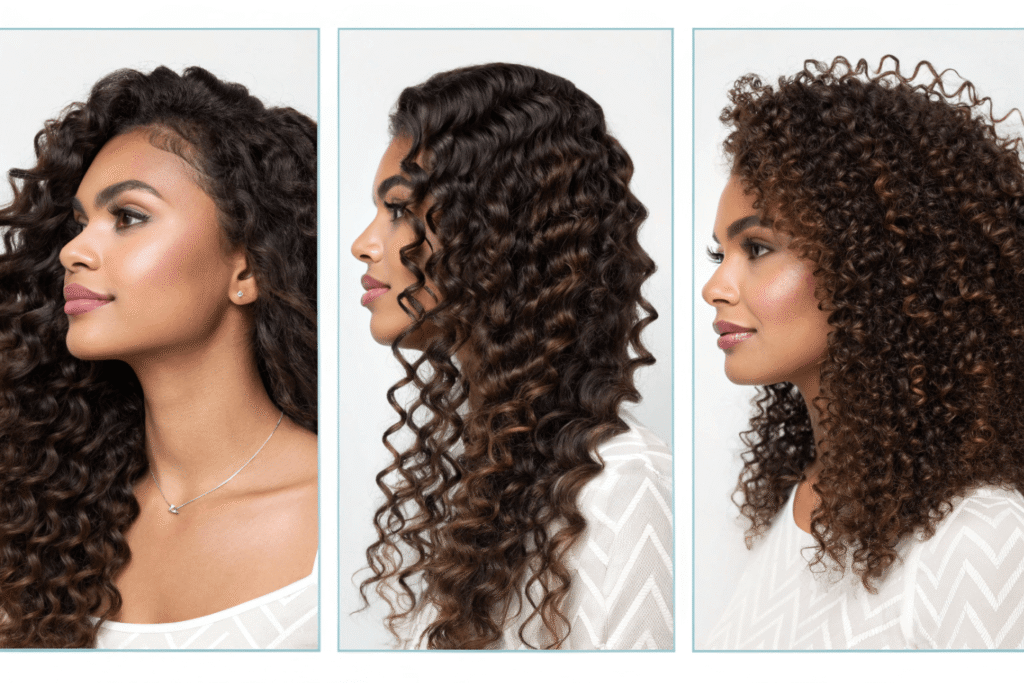
Conclusion
Coloring human hair wigs without damage is a control exercise: start with the right hair (virgin/Remy), remove barriers (clarify, dry), prove the plan (strand test), use conservative developers (10–20 vol), and manage timing with disciplined check-ins. Treat knot bleaching as a separate, delicate operation with ultra-low volume and short windows. Lock in results with bond-builders, protein and moisture balance, cool rinses, lightweight serums, and minimal heat. This approach protects lace integrity, preserves hand-feel, and delivers predictable color outcomes across your product line.