
I work with brands and factories that live or die by their return rates, so I take wig longevity personally. When a unit sheds early or mats after a few weeks, it’s rarely “bad hair” alone—it’s compounding care mistakes across storage, heat, brushing, and maintenance cadence. I’ve seen beautiful cuticle-aligned Remy bundles turned dull by the wrong shampoo, HD lace torn by rushed removals, and elastic fatigued by seven-day wear cycles without rest. In B2B, these outcomes translate to warranty claims, negative reviews, and avoidable customer churn.
Common mistakes that shorten a wig’s lifespan include improper storage that invites tangles and UV damage, heat styling without protectant that melts synthetics and weakens human hair cuticles, rough brushing from roots that loosens hand-tied knots, and skipping scheduled maintenance that allows buildup and matting. To extend longevity: store correctly, use heat protectant at controlled temps, detangle from ends upward with the right tools, and follow a predictable wash/conditioning and rotation calendar.
Below I break down the most frequent errors I see across consumer care and salon aftercare, then translate those into actionable SOPs you can embed into your product guides, CRM reminders, and post-purchase education assets.
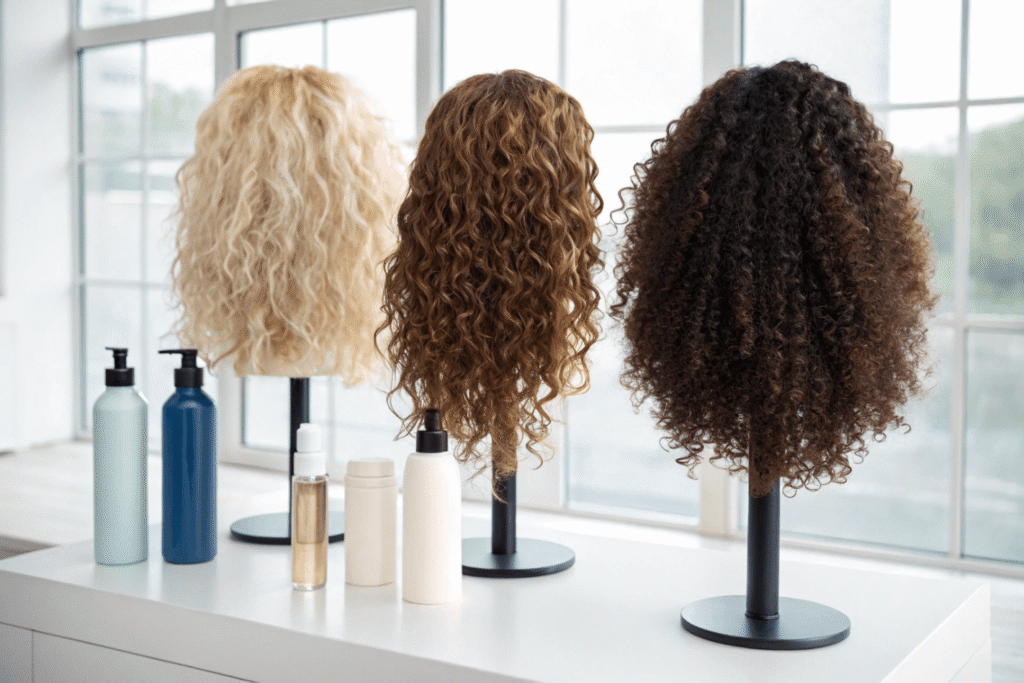
Am I storing my wig improperly and causing tangles?
Improper storage is a silent lifespan killer. When customers toss a unit into a drawer or leave it in direct sunlight, we see three predictable failures: cap distortion, fiber dryness/fading, and concentrated tangle points at the nape.
- Cap integrity: Elastic and lace (especially HD/film-grade) stretch when a wig hangs by the ear tabs or combs. Over time this compromises fit and ventilation. I advise using a correctly sized collapsible wig stand or foam head; never suspend by the cap.
- Tangle prevention: Friction is the enemy. A satin/silk bag or dust cover reduces abrasion, and lightly braiding long units before storage prevents nape matting.
- Environmental control: UV fades human hair and oxidizes color-treated fibers; it also embrittles synthetic fibers. Store in a cool, dry space—avoid bathrooms where steam swells knots and encourages microbial growth in the cap.
- Residue risk: Uncovered storage invites airborne oils and dust that combine with product residue to gum up fibers and lace.
Factory-backed guidance you can include in packaging
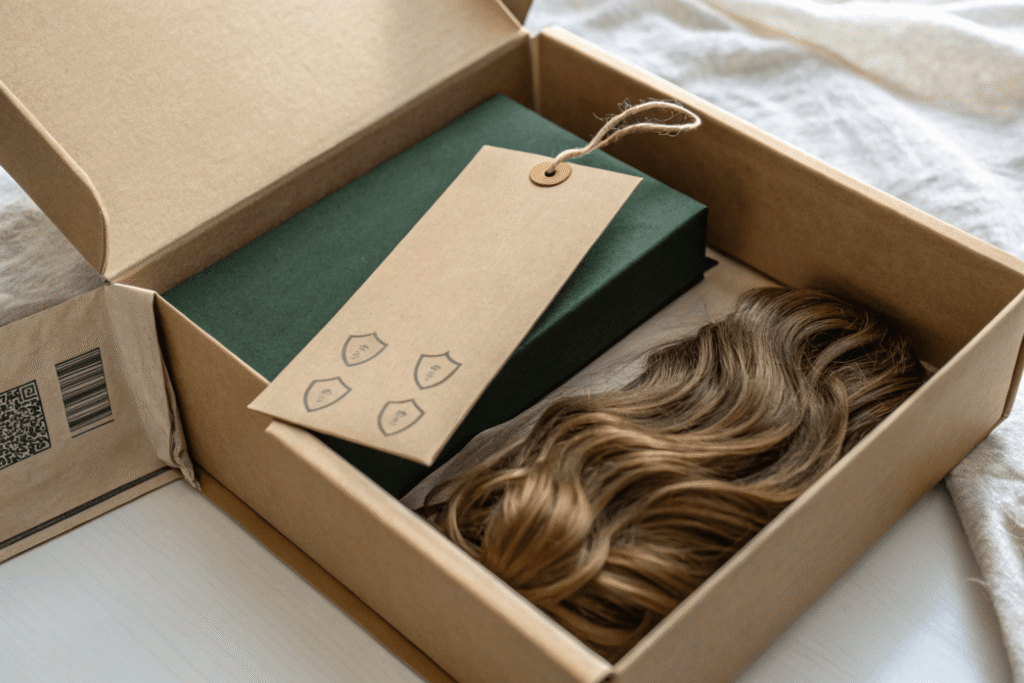
- Add a simple card: “Dry completely. Detangle from ends. Place on stand. Cover with satin bag. Store away from sunlight and moisture.”
- For deep wave/curly textures: encourage light set with diluted leave-in, then net-cover to preserve pattern.
Do I skip heat protectant when styling?
Heat misuse is one of the fastest ways to shorten lifespan in both synthetic and human hair units.
- Synthetic fibers: Unless explicitly labeled heat-defiant, standard synthetics deform at relatively low temps (often 90–120°C). I’ve seen edge singeing just from opening an oven or leaning over a kettle.
- Human hair: Even premium Remy with intact cuticles loses moisture and develops micro-cracks with repeated high heat. Without protectant, cuticle scales lift, inviting friction, frizz, and breakage.
SOP I recommend:
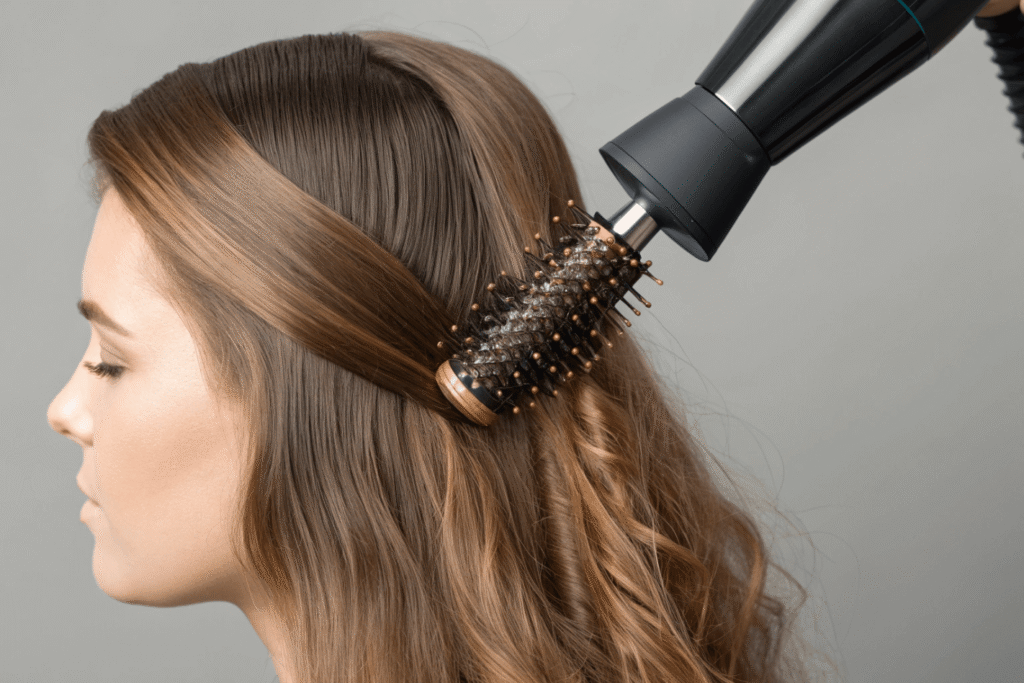
- Always heat-protect: Use lightweight, wig-safe thermal protectants. For human hair, a silicone-free or micro-silicone formula that doesn’t cause heavy buildup is ideal.
- Control temperature: Human hair wigs 160–180°C max for straightening; curls at 150–170°C. Heat-defiant synthetics 120–140°C. Test on an inconspicuous strand first.
- Limit frequency: Emphasize restyling with steam setting or roller sets to reduce thermal cycles.
- Air-dry policy: After washing, air-dry on a stand. Blow-drying accelerates fiber fatigue and loosens hand-tied knots with heat/air pressure.
Is rough brushing weakening knots and ventilation?
Yes—technique matters more than tool brand. The quickest route to shedding complaints is aggressive root-down brushing that drags tension across lace ventilation or hand-tied monofilament.
- Tension mechanics: Hand-tied knots are micro-anchors. Pulling from the root amplifies stress at the knot and lace, leading to loosening and eventual shedding.
- Wet fragility: Fibers are weakest when wet. Brushing then can stretch or snap fibers and pull knots.
My field-tested detangling order:
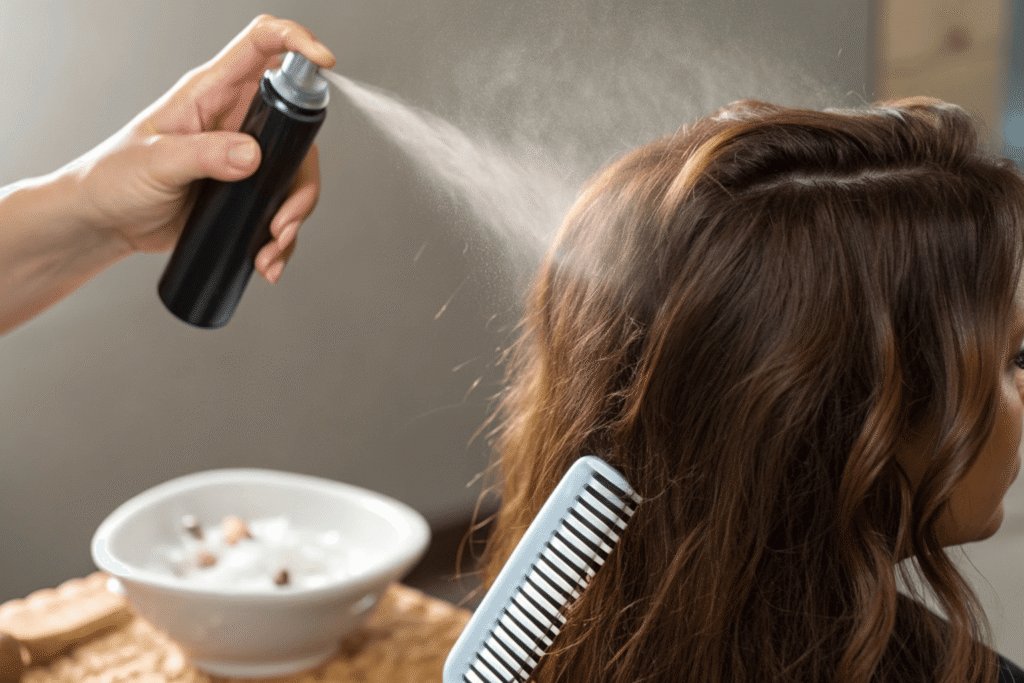
1) Mist lightly with a detangling spray (wig-formulated, alcohol-light).
2) Section hair. Start at the ends, work upward (ends → mid-shaft → root).
3) Tools: Wide-tooth comb for initial detangle; boar-blend wig brush or loop brush for smoothing. Avoid fine-tooth combs on curls and avoid paddle brushes on wet fiber.
4) Secure the base: Hold the hair just above the section you’re detangling to absorb tension away from the knot grid.
Ventilation and weft protection
- For wefted constructions: brushing downward along weft direction reduces stitch stress.
- For lace fronts/closures: keep tools away from the immediate hairline; use fingers to gently release small snags.
- Adhesive caution: Residual glue on lace acts like sandpaper against knots—remove adhesive carefully before any brushing.
How can I set maintenance reminders to prevent damage?
Longevity is procedural. The brands that win on lifespan deploy reminders and clear intervals—both for human hair and synthetic units. Below is a cadence you can embed in your post-purchase flows.
Recommended maintenance intervals
- Human hair wigs (Remy/virgin):
- Detangle: after each wear
- Wash: every 6–10 wears (adjust for sweat/product use)
- Deep condition (mid-lengths/ends only): every 3–4 washes
- Professional check: every 8–12 weeks (knot inspection, reseating, lace repair)
- Rest rotation: avoid consecutive 7-day wear; rotate with a second unit to preserve elastic
- Synthetic wigs:
- Detangle: after each wear
- Wash: every 6–8 wears with wig-specific cleanser
- Fabric softener substitutes: avoid—short-term slip, long-term fiber damage
- Professional refresh: pattern set/steam at 10–12 weeks if needed
- Heat: only on labeled heat-defiant units, within spec
Practical reminder system
- CRM/email:
- Day 1: Setup guide + storage infographic
- After 5 wears: Detangle tutorial + “light wash coming up” prompt
- After 8–10 wears (human hair): Wash/condition checklist
- 8 weeks: “Pro check” scheduler link for lace/elastic assessment
- In-box QR:
- Link to interactive care calendar; users log wears and receive timed prompts
- On-tag care icons:
- Heat limit icon, wash interval, “ends-up detangle” icon, “no sleep/swim” icon
Maintenance SOP table
| Care Area | Human Hair Wig | Synthetic Wig |
|---|---|---|
| Heat | 160–180°C max with protectant; limit frequency | Only if heat-defiant; 120–140°C; always protectant |
| Washing | Every 6–10 wears; gentle, sulfate-free; no scrubbing cap | Every 6–8 wears; wig-specific cleanser; minimal agitation |
| Conditioning | Mid-lengths/ends only; avoid knots/base | Use wig-safe conditioners or sprays; avoid heavy silicones |
| Detangling | Ends → roots; wide-tooth + loop brush; never wet-brush | Ends → roots; wide-tooth; avoid high friction |
| Storage | Stand + satin bag; cool, dry, dark | Same; avoid sun/heat sources |
| Professional Service | 8–12 weeks: knot check, lace repair, restyling | 10–12 weeks: pattern reset/steam, cap check |
Mistakes I see most often and why they matter
Below, I’m translating common pitfalls into manufacturing and QC implications. These show up in warranty tickets and can be prevented with better education.
- Using high heat without protectant: melts synthetics; weakens human hair cuticles—expect frizz, split ends, and reduced shine.
- Washing too frequently or with harsh shampoos: strips moisture, loosens knots, accelerates cap fatigue.
- Infrequent washing: sweat/oil/product buildup degrades fibers and knot security; nape matting increases service costs.
- Root-down brushing: pulls on wefts and lace; knot loss equals shedding claims.
- Sleeping, swimming, showering in the wig: friction and chlorine/salt/steam cause tangles, brittleness, and lace stress.
- Improper storage: drawers/sunlight distort caps, fade color, dry fibers; UV accelerates oxidation.
- Alcohol-heavy sprays/strong gels/excess silicones: dry fibers and create residue that attracts dust; tangles and breakage spike.
- Careless adhesive or remover: tears HD lace, stretches cap, leaves residue that erodes knots—train customers on precise application and removal.
- Skipping routine detangling and deep conditioning (human hair): accelerates matting and shedding; increases need for early ventilations repair.
- Wearing the same wig daily: elastic and lace fatigue faster; rotation extends lifespan measurably.
Quick decision guide
| Scenario | Do | Don’t |
|---|---|---|
| Post-wear | Light detangle; store on stand; cover | Toss in drawer; leave in sun |
| Styling | Apply protectant; low/controlled heat | High heat near ovens/kettles; daily flatiron |
| Washing | Gentle products; rinse downward; air-dry | Scrub cap; wring; blow-dry hot |
| Adhesives | Thin layers; full removal before brushing | Yank lace; brush with glue on |
| Travel | Satin bag; braid long lengths | Unsecured in suitcase; wet-pack |
Implementation for B2B teams
- Packaging upgrades: Include a mini satin bag and a detangling card; ROI is immediate in reduced returns.
- Post-purchase content: Short videos embedded via QR on the hang tag outperform long manuals.
- Service network: Offer discounted quarterly “pro checks”—simple reseating of knots and elastic can add months of life.
- Data tracking: Tag SKUs by fiber type (heat-defiant synthetic vs standard; Remy origin) and serve care reminders tailored to the material’s tolerance.
Conclusion
If longevity is the KPI, the wins come from small behaviors practiced consistently: store to reduce friction and UV, protect before any heat, detangle from ends with the right tools, and follow a realistic maintenance cadence with rotation and pro check-ins. In my experience, brands that operationalize these steps—through packaging, reminders, and service—cut returns and extend perceived value, turning one-time buyers into repeat customers while keeping your warranty inbox quiet.