
As someone who lives inside the supply chain—from donor hair procurement to lace finishing and outbound QC—I’m seeing buyer behaviors shift toward realism, lighter densities, and faster installs. Retailers don’t want high-touch units that require a stylist; they want SKUs that photograph beautifully, ship fast, and generate low-return rates. In 2026, the winning human hair wigs are the ones that deliver soft movement, natural hairlines, and ready-to-wear convenience without compromising cuticle integrity or cap stability.
The top-performing 2026 styles are soft waves (body/loose), face-framing layers with curtain or bottleneck bangs, polished bob cuts, and long layered “90s blowout” silhouettes. Warm colorways—honey blondes, copper/auburn, and espresso-blacks—with money-piece highlights lead repeat sales. Glueless HD lace, natural-density construction, and pre-bleached/pre-plucked/pre-cut lace drive conversions by reducing install time and improving realism. Aligning these trends with 8–12 week supply lead times means locking core textures and caps, flexing colorways seasonally, and maintaining agile finishing capacity.
To make this practical, I’ll break down four core questions I get from manufacturers and wholesale buyers: whether to stock face-framing layers and bangs, how clean-girl bobs and soft waves are performing, which colors to bet on for repeat orders, and how to synchronize trend demand with lead times and factory workflow. I’ll also share specific construction choices (HD lace, densities, parting) and procurement tactics that lower risk while protecting margins.
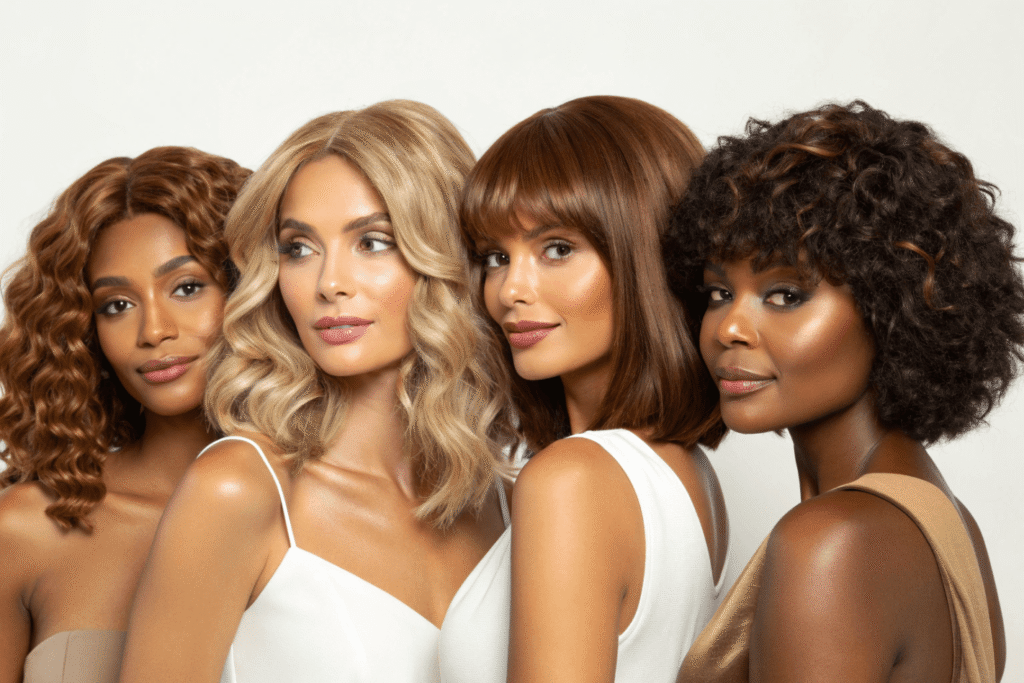
Should I stock face-framing layers and curtain bangs for my market?
Yes—layered, face-framing cuts with curtain or bottleneck bangs are one of 2026’s safest bets across markets.
- Why they sell: In my experience, these silhouettes add dimension without requiring heavy density or post-purchase cutting. For daily-wear customers, the softer fringe hides hairline imperfections and blends with glueless installs. For professional clients, they photograph well and reduce the need for heat-styling.
- Construction that matters: Natural-density caps (130–150%) with clean middle parts or gentle off-center parts, micro-knots, and properly bleached knots are outperforming ultra-thick units. Pre-plucked hairlines and pre-cut lace minimize returns from “I can’t install this” complaints.
- Texture pairings: Face-framing layers work best on body wave, loose wave, and yaki/kinky-straight (relaxed/blowout) textures—these mimic real movement and visually lighten the face.
Sourcing and finishing notes
- Hair grade and origin: For layered units with bangs, prioritize cuticle-aligned Remy from India and Southeast Asia for resilience under light heat-styling. Avoid over-processed acid-bath stock; it will frizz around the fringe first.
- Factory workflow: Pre-shape layers with calibrated steam-setting, then cold-set to lock memory without damaging cuticles. QC the fringe: symmetry, density at temples, and canopy weight so customers can part and sweep without gaps.
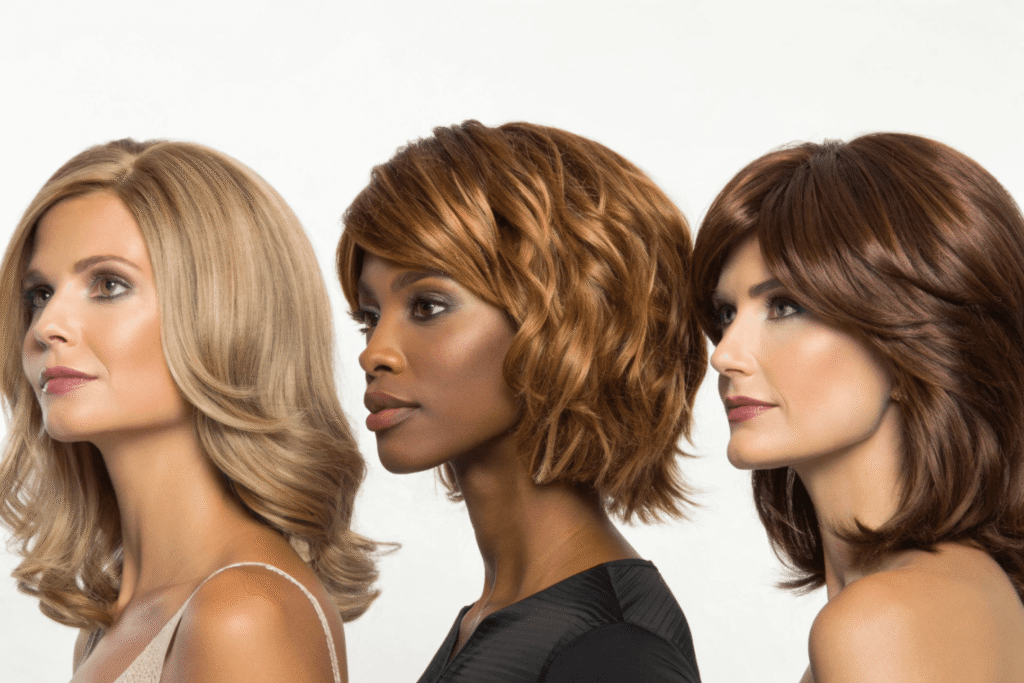
Are clean girl bobs and soft waves still performing well?
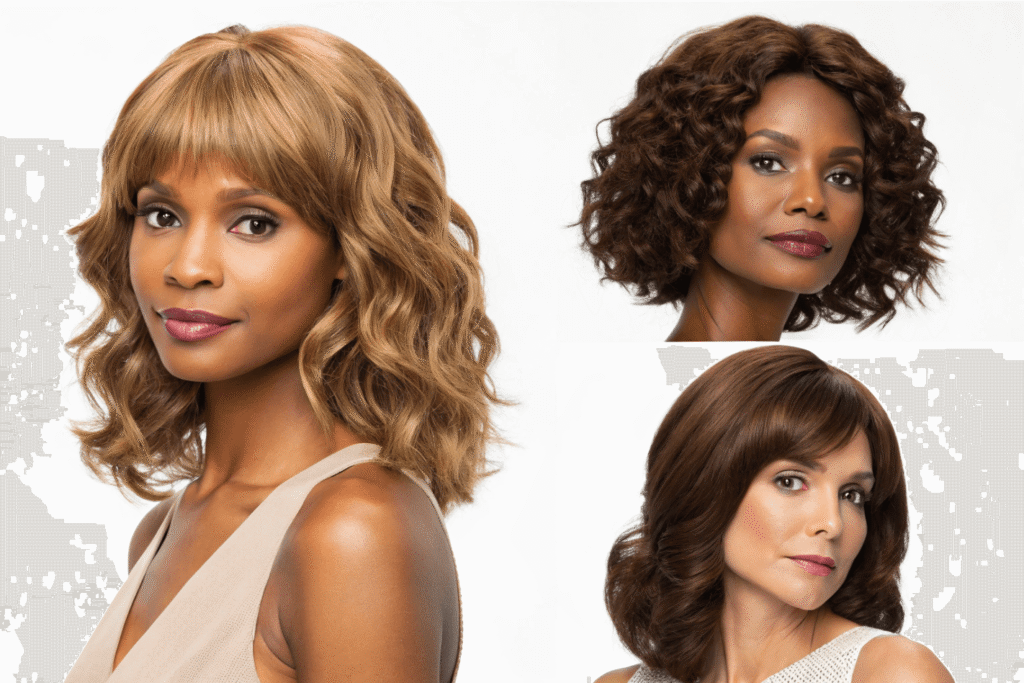
Absolutely. Clean girl bobs (blunt chin-length and French bobs) and soft body/loose waves remain top performers because they are polished, low-maintenance, and universally flattering.
- Bobs: Blunt chin-length and French bob variants sell because they require minimal styling and look premium in lifestyle and product photography. HD lace fronts with precise hairline plucking make short silhouettes feel less “wiggy.”
- Soft waves: Body wave and loose wave units are the “daily drivers” of 2026—easy to brush out, versatile to straighten or re-wave, and forgiving in humidity. These are consistent repeat-order SKUs for wholesalers.
Technical details that reduce returns
- Cap design: Glueless HD lace with adjustable bands and silicone micro-grips keep short bobs in place without adhesives. For waves, 13×4 or 13×6 lace fronts with clean middle parts are the safest configuration for styling flexibility.
- Density: 130–150% for bobs; 150% for soft waves. Go 180% only for “90s blowout” SKUs where crown volume is the selling point.
- Finishing: Pre-bleached knots, micro-knots at the front 1–1.5 cm, and true-to-length cutting. For bobs, bevel the ends slightly to avoid boxy silhouettes in real wear.
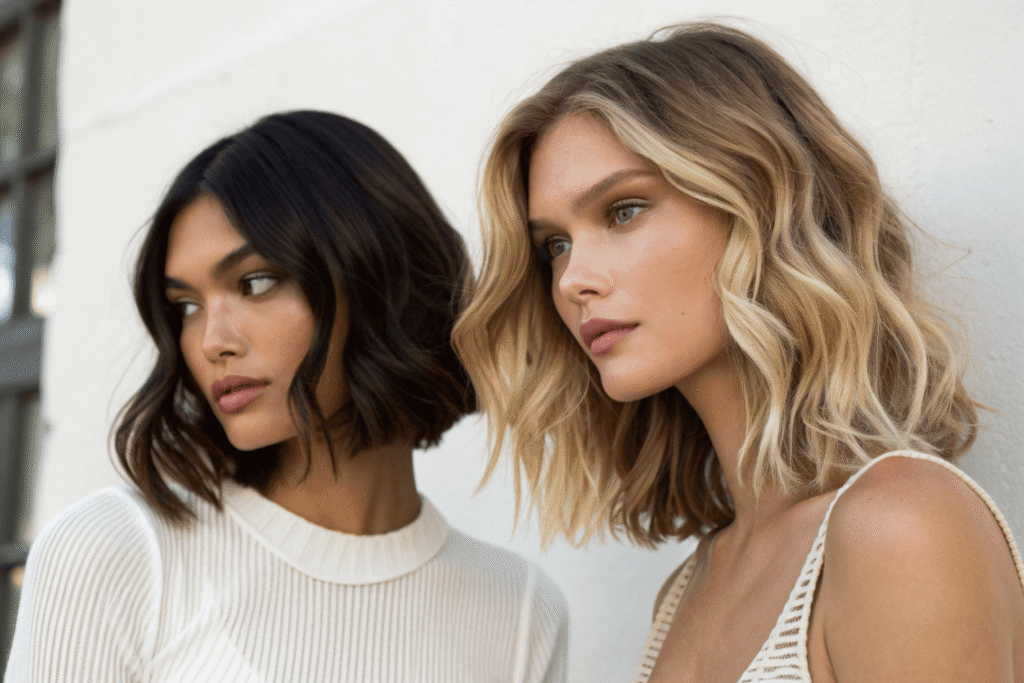
Which colors—honey blondes, copper—drive repeat sales?
Warm, dimensional palettes are leading repeat purchases. I see consistent reorders in:
- Honey blonde with caramel/balayage and shadow root: Low-maintenance grow-out look; photographs well and flatters more skin tones than icy blonde.
- Copper and auburn: The 99J-adjacent spectrum sells in Q3–Q4 and during holiday cycles; it’s a “refresh” color customers repurchase.
- Espresso-black and rich brunettes with money-piece highlights: Safe baseline shades for corporate/professional wearers; money-piece adds trend without full commitment.
Color finishing and QC guidance
- Aim for soft balayage and money-piece highlights with hand-painted placement; avoid harsh foiling lines that read “striped” on camera.
- Keep shadow roots subtle (level 3–5) to avoid a wig line at the part. Pair HD lace with tinted lace spray only where necessary—bleach the knots sufficiently to reduce reliance on tinting.
- Protect cuticle: Prefer steam-toning and low-ammonia processing on Remy stock; control pH neutralization post-color to maintain fiber strength.
Table: Color SKUs and merchandising notes
| Colorway | Best-selling lengths | Cap/lace notes | Merchandising tip |
|---|---|---|---|
| Honey blonde + caramel balayage | 16–20 in | HD lace, pre-bleached knots | Add shadow root; lifestyle shoot outdoors |
| Copper/Auburn (warm reds) | 14–18 in, 20–22 in | 13×4 lace front | Autumn drop; limited edition naming |
| Espresso-black (rich brunette) | 12–18 in | Glueless cap, micro-knots | “Office-ready” positioning |
| Money-piece highlights (neutral) | 14–22 in | Clean middle part | Model with face-framing layers |
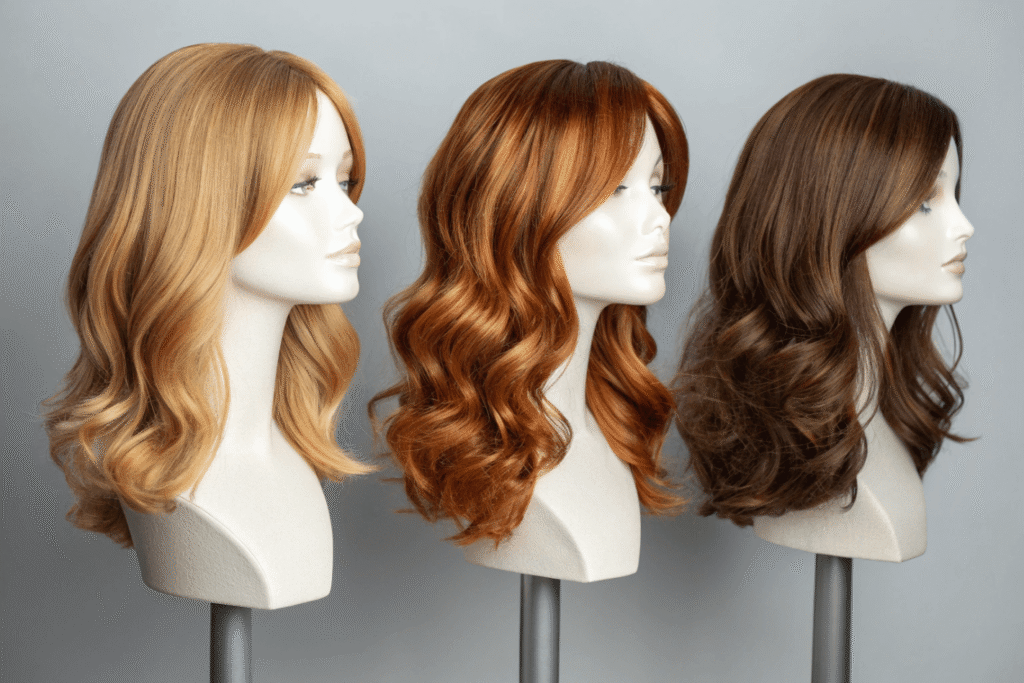
How do I align trends with my supply lead times?
When demand is moving, lead time discipline makes or breaks margin. Most factories operate with 6–12 weeks lead time depending on origin mix, lace availability, and finishing capacity. Here’s how I align trend bets with procurement realities:
Lock the constants; flex the variables
- Lock constants: Core textures (body wave, loose wave, yaki/kinky-straight), base cap inventory (HD lace 13×4/13×6, glueless bands), and natural densities (130–150%). These don’t go out of fashion.
- Flex variables: Colorways (honey, copper, money-piece), fringe options (curtain/bottleneck bangs), and crown volume for “90s blowout.” Keep these in shorter-cycle batches.
Lead-time planning by workflow stage
- Raw hair procurement (2–4 weeks): Secure Remy, cuticle-aligned bundles, single-donor for premium SKUs; diversify sources (India, SEA, selective China processing partners) to hedge seasonality.
- Wefting and cap assembly (1–2 weeks): Standardize machine weft parameters and cap sizes (S/M/L) to reduce stoppages.
- Lace ventilating and hairline finishing (1–2 weeks): Train for micro-knots and pre-plucking consistency. Introduce pre-cut lace SKUs for “ready-to-wear” lines.
- Color and texture finishing (1–2 weeks): Batch-process balayage/money-piece with strict QC lighting; steam-set body/loose waves to reduce heat damage.
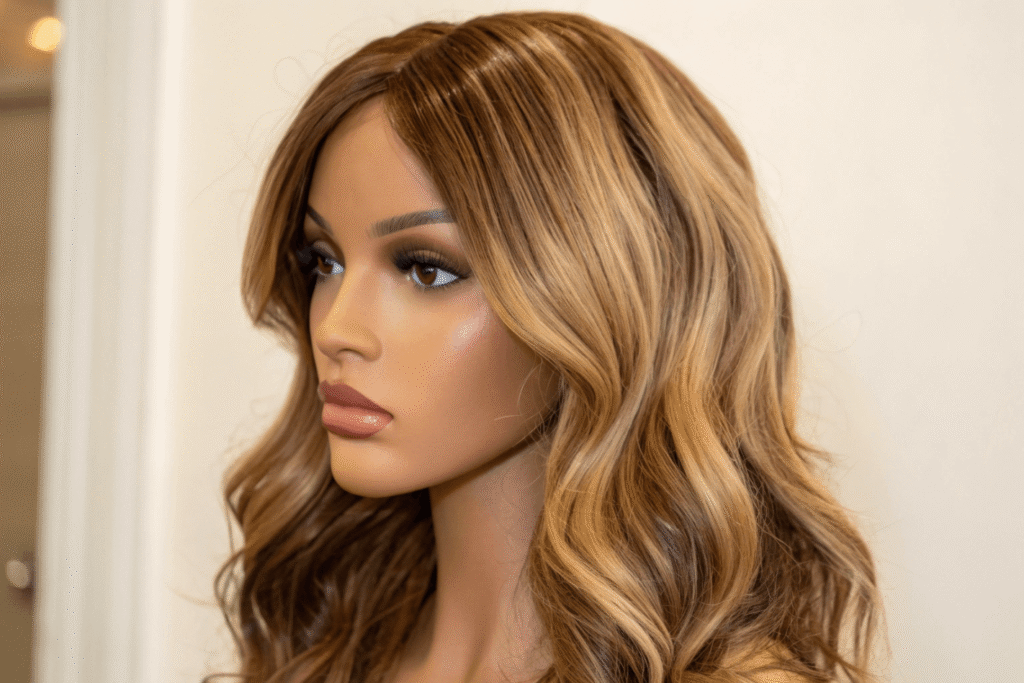
Table: Trend-to-Lead Time alignment (typical)
| SKU Type | Forecast Window | Lead Time (avg) | Risk Controls |
|---|---|---|---|
| Body/Loose wave, natural colors | 12–24 weeks | 6–8 weeks | Hold safety stock; multi-origin sourcing |
| Clean bobs (HD glueless) | 12–24 weeks | 6–8 weeks | Pre-cut lace; standard cap sizes |
| Honey/caramel balayage | 8–12 weeks | 8–10 weeks | Color QC boards; shadow-root standardization |
| Copper/Auburn seasonal | 6–10 weeks | 8–12 weeks | Limited drops; pre-sell to wholesale accounts |
| 90s blowout (volume crown) | 8–12 weeks | 8–10 weeks | Density caps 150–180%; crown ventilation QC |
Practical procurement tips I use
- Commit 60–70% to evergreen SKUs (soft waves, bobs in natural shades) and 30–40% to trend colorways and bangs. This absorbs variability without dead stock.
- Build “finish-later” buffers: Keep neutral-color, uncut units ready for final color/bang finishing so you can pivot to honey/copper or add curtain bangs within 10–14 days.
- Negotiate lace allocation: HD lace shortages are the silent killer. Secure quarterly allocations with vendors; keep an alternative thin Swiss lace spec approved to avoid stockouts.
- QA checkpoints: Measure knot bleaching consistency, hairline density per cm, and parting grid cleanliness. Returns spike when the part looks “pluggy,” not when color is 3% off.
Embedded trend insights applied
- Body and loose waves: Trending for soft movement; steam-set, glueless caps, 13×4/13×6 fronts for styling flexibility.
- Face-framing layers + curtain/bottleneck bangs: High conversion, low-density preference; pre-plucked, pre-cut lace reduces install time.
- Bobs (blunt chin-length, French): Polished, low-maintenance; HD lace + micro-knots for realism.
- “90s blowout” long layers: Keep crown volume; 150–180% density caps, ventilate crown carefully for lift without bulk.
- Glueless HD lace, ultra-thin lace fronts: Favored for quick installs and undetectable hairlines; prioritize silicone grips and adjustable bands.
- Natural-density, scalp-mimicking parting: Clean middle parts, micro-knots, bleached knots over ultra-thick units.
- Pre-bleached, pre-plucked, pre-cut lace: Ready-to-wear SKUs accelerate sell-through, reduce returns.
- Yaki and kinky-straight textures: Realistic, relaxed/blowout match; strong in professional and protective-style markets.
- Colors: Soft balayage, money-piece, copper/auburn, espresso-black drive repeat; warm palettes outperform icy tones.
- Protective-friendly units (U-part, V-part): Rising demand for low-tension, breathable installs; maintain consistent leave-out guidance in product pages.
Conclusion
If I had to prioritize for 2026, I’d anchor assortments in clean bobs and soft body/loose waves with glueless HD lace and natural densities, then layer in face-framing bangs and warm, dimensional colorways (honey, copper, money-piece) for seasonal freshness. Pre-bleached, pre-plucked, pre-cut lace is no longer a luxury—it’s table stakes for reducing install friction and returns. Operationally, lock core textures and caps, keep finish-later buffers for color/bang pivots, and secure HD lace allocations ahead of Q3–Q4 demand. This combination protects margins, improves repeat sales, and keeps your catalog aligned with what consumers are actually wearing in 2026.