
I’ve spent years inside wig factories and QC rooms, watching how cuticle alignment, knot security, and fiber processing respond to real-world wear. Human hair wigs don’t benefit from scalp sebum or biological repair, so small care mistakes—overwashing, saturating knots with conditioner, or hot-tooling past 180°C/350°F—compound into shedding, matting, and dullness. For B2B teams, what we recommend to end customers must align with how the wig was built: donor origin, whether the hair went through acid baths, how wefts are sewn, and the lace type all dictate the right maintenance cadence.
The ultimate care routine for a human hair wig is: wash every 8–12 wears with sulfate-free, color-safe shampoo; detangle from ends to roots before washing; condition mid-lengths to ends only; air-dry on a stand; heat-style below 180°C/350°F with protectant; deep-condition every 3–4 washes; clarify buildup every 6–8 weeks; store on a ventilated stand covered with silk/satin; rotate wear; and perform weekly lace and knot checks.
This routine preserves cuticles, minimizes shedding, and extends lifespan across Remy, colored, and processed units.
Below, I’ll walk through wash/condition/detangle intervals, product selection that protects cuticles without buildup, wear rotation strategies for lifespan extension, and the weekly inspection protocol that keeps lace and knots intact. I’ll also share why each step matters from a manufacturing and supply-chain perspective.
How often should I wash, deep condition, and detangle?
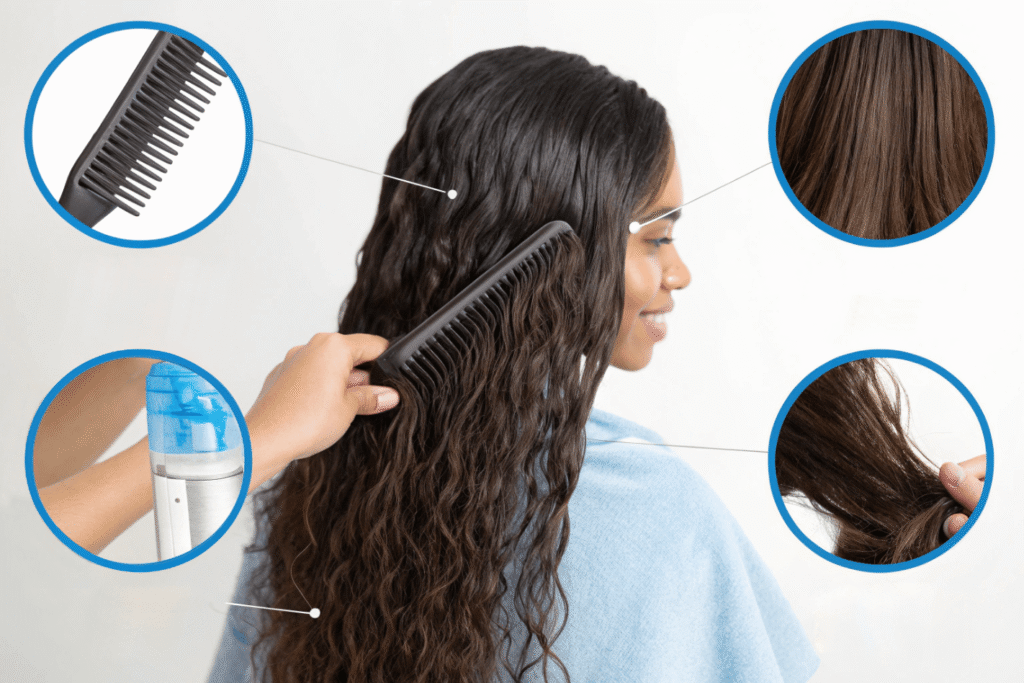
Evidence-based cadence
- Wash every 8–12 wears, or sooner if you see visible product film, odor, or drag on the comb. Lifestyle matters—heavy styling products, sweat, or humidity shorten intervals.
- Detangle before every wash. Start at the ends with a wide-tooth comb, work upward in sections. This protects wefts and minimizes stress on tied knots.
- Deep-condition every 3–4 washes. For colored or chemically processed hair, prioritize moisture masks and add monthly protein if fibers feel stretchy or mushy.
- Clarify every 6–8 weeks with a gentle chelating/clarifying shampoo, followed by an intensive hydration mask to restore softness after residue removal.
Wash technique that preserves structure
- Use sulfate-free, color-safe shampoo in lukewarm water. Avoid hot water—raised cuticles increase friction and tangling, especially in acid-bathed hair.
- Apply conditioner mid-length to ends only. Keep product off the knots and lace, which can swell, slip, or loosen, accelerating shedding.
- Blot, don’t rub. Microfiber towel to remove excess water, then air-dry on a ventilated stand away from sun/heat. Forced heat roughens cuticles and warps lace.
Why this matters in manufacturing terms
In factories, we test hair for slip and tensile strength post-processing. Overwashing leaches lipids from cuticles, while saturating base knots reduces knot friction, leading to shedding. Air-drying on a stand maintains cap geometry and lace tension—critical for consistency across wears.
Which leave-ins and serums protect cuticles without buildup?
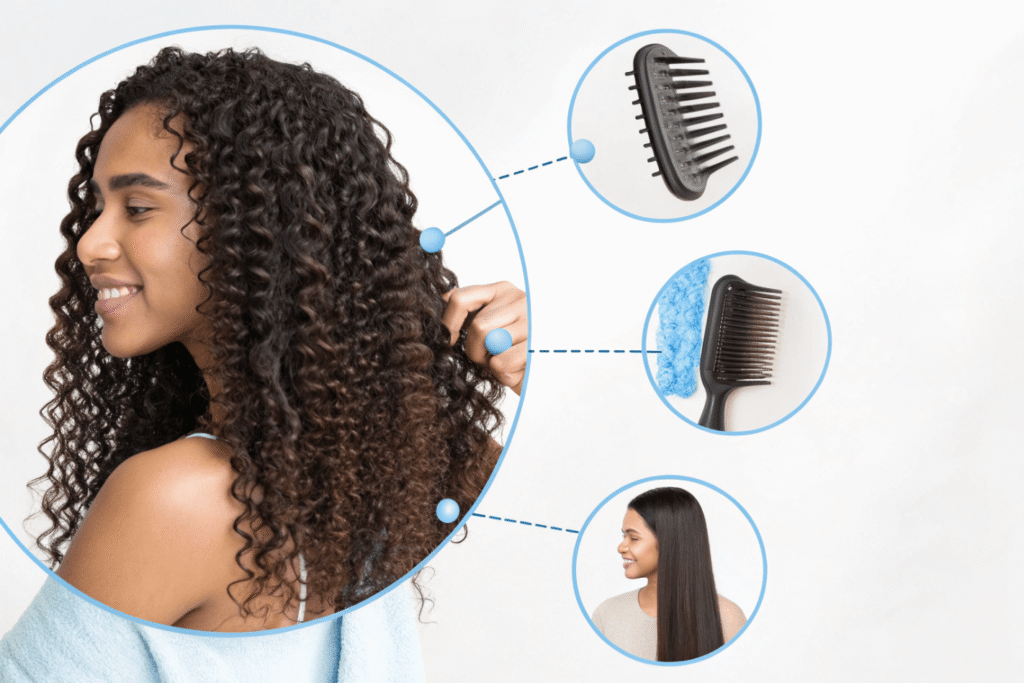
Product selection principles
- Prefer lightweight, silicone-free leave-ins or micro-silicone blends that rinse clean. Heavy, non-evaporating silicones create film that traps dust and increases tangling.
- Focus application on mid-lengths to ends; avoid the base. This keeps knots dry and secure.
- Add UV-protection sprays for colored wigs to slow fading and oxidation.
- Always use a heat protectant; keep hot tools at or below 180°C/350°F and style in small sections to reduce cuticle stress.
Quick comparison: common leave-in types
| Leave-in type | Pros | Watch-outs | Best use case |
|---|---|---|---|
| Silicone-free hydrating mist | Lightweight, low residue | Requires reapplication | Daily refresh without buildup |
| Micro-silicone serum (water-dispersible) | Smoothing, cuticle glide | Overuse causes slip on fine fibers | Frizz control on Remy units |
| Protein-reinforcing spray | Strengthens processed fibers | Can stiffen if overused | Monthly on colored/chemically processed hair |
| UV-shield spray | Reduces fading, oxidation | May add slight film | Outdoor wear, blondes/reds |
Application workflow
- After air-dry, mist ends lightly. Comb through with a wide-tooth comb.
- Reapply small amounts between washes as needed; if slip increases at the base, pause and clarify at next wash.
- For high-frizz zones (nape), a pea-sized serum spread between palms and pressed onto ends is safer than direct application from the bottle.
How do I rotate wear to extend lifespan?
Rotation distributes mechanical stress and reduces cumulative heat and product exposure.
Practical rotation model
- Maintain at least two wigs: primary and alternate. Wear the primary 2–3 days, then rest it while the alternate is in use.
- Use rest periods for airing out, light detangling, and spot cleaning. This limits wash frequency and preserves moisture.
- For adhesive wearers, rotate adhesive-free days. Limiting alcohol-based removers on lace reduces knot degradation.
Storage and environment
- Store on a ventilated stand, away from sunlight and humidity. Cover with silk or satin to minimize dust and friction.
- Never sleep or shower in the wig. Night friction and steam swell cuticles, compact tangles, and stress knots.
ROI for B2B programs
For brands, bundling a rotation plan with each sale reduces warranty claims for shedding/tangling. Education lowers post-purchase support costs and increases repeat business through better longevity outcomes.
What weekly checks keep my lace and knots intact?
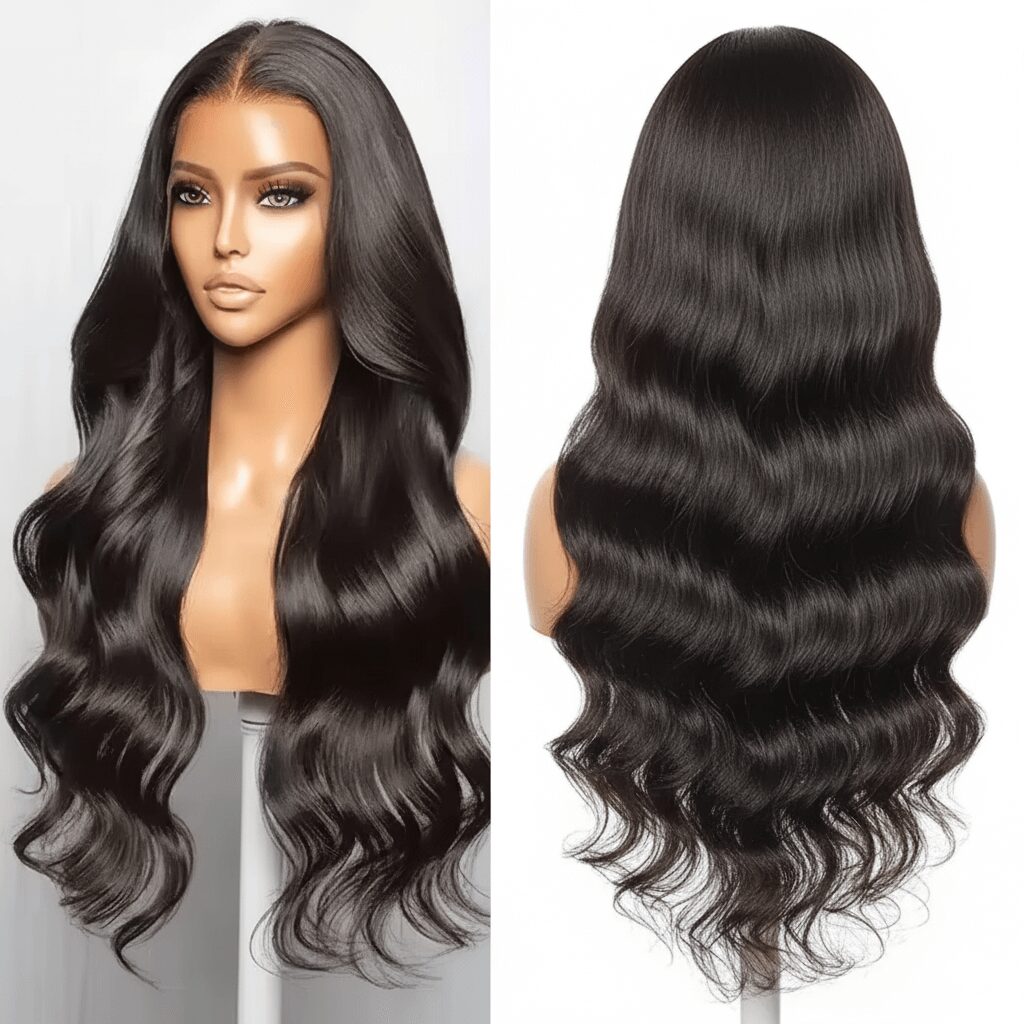
7-point inspection checklist
- Lace perimeter: look for fraying or stretching. If edges look fuzzy, reduce adhesive cycles and consider a lace guard spray sparingly.
- Knots: inspect parting and hairline under bright light. If you see loosened or raised knots, stop conditioning near the base and avoid heavy brushing at roots.
- Nape area: check for matting due to collar friction. Detangle gently and use a light leave-in on ends.
- Cap tension: verify ear tabs, straps, and elastic aren’t overextended; over-tightening stresses lace and knot rows.
- Build-up hotspots: hairline and nape collect the most residue—spot clean with a diluted, sulfate-free shampoo on a cotton swab if needed.
- Shedding audit: run a wide-tooth comb through; count shed strands. Rising counts indicate product on knots or aggressive handling.
- Adhesive interface: minimize alcohol saturation on lace; use removers precisely and allow adhesives to fully break before lifting to avoid knot pull.
Service thresholds
- If knots are consistently loosening, schedule professional re-ventilation or reinforcement rather than continuing heavy use.
- For tinted lace or bleached knots, add a monthly protein mist to hair near the hairline—processing weakens fibers right at the most manipulated area.
Visual quick guide: full routine
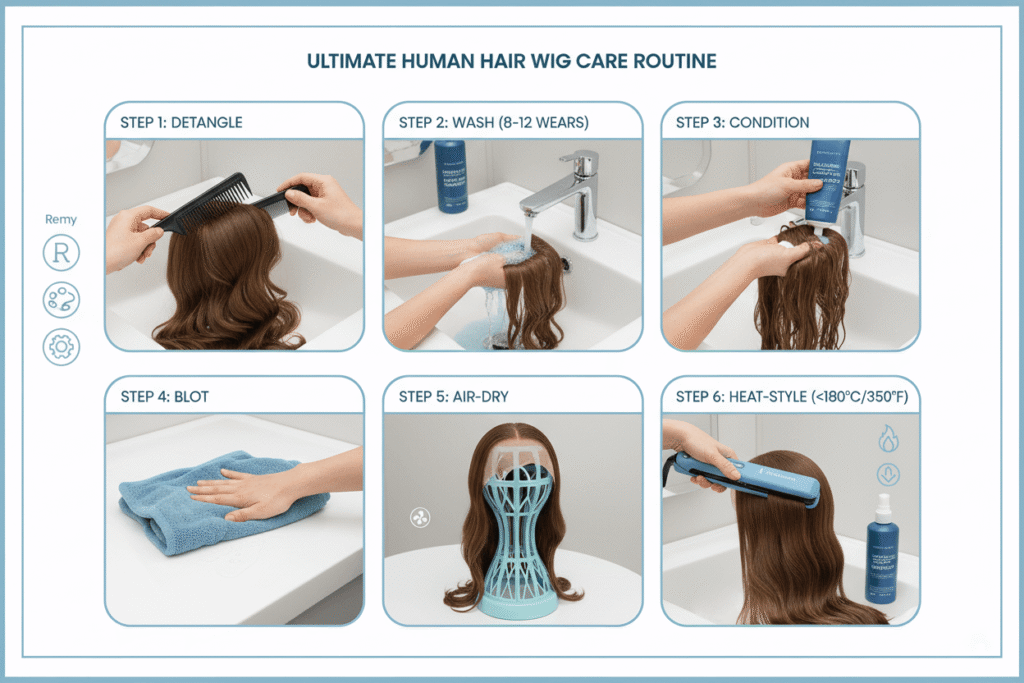
Step-by-step summary
1) Detangle ends-to-roots before washing.
2) Wash every 8–12 wears with sulfate-free, color-safe shampoo; lukewarm water.
3) Condition mid-lengths to ends only; avoid base knots/lace.
4) Blot with microfiber; air-dry on a ventilated stand.
5) Heat-protect; style ≤180°C/350°F, in small sections.
6) Store away from sunlight/humidity; cover with silk/satin.
7) Deep-condition every 3–4 washes; lightweight leave-ins between washes.
8) Clarify every 6–8 weeks, then hydrate mask.
9) For colored/processed hair: monthly UV spray + protein treatment.
10) Don’t sleep/shower in the wig; limit adhesive and alcohol contact with lace.
Product and process map
| Care action | What to use | Why it works | Manufacturing note |
|---|---|---|---|
| Wash | Sulfate-free, color-safe shampoo | Cleans without stripping lipids | Preserves cuticle glide on Remy hair |
| Condition | Silicone-free, mid-to-ends | Hydrates without loosening knots | Base saturation increases shedding risk |
| Heat style | Heat protectant, ≤180°C/350°F | Reduces thermal cuticle lift | High temps fracture processed fibers |
| Clarify | Gentle chelating shampoo | Removes film/buildup | Film increases friction at nape |
| Deep treat | Moisture mask; monthly protein (if processed) | Replenishes and strengthens | Acid-bathed hair benefits from periodic protein |
| Store | Ventilated stand + silk/satin cover | Controls shape, dust, friction | Lace maintains tension and geometry |
Conclusion
The right care routine mirrors how the wig was built: respect the knots, protect the cuticle, and control friction and residue. Washing every 8–12 wears, detangling before water, conditioning mid-to-ends, strict heat limits with protectant, strategic rotation, and weekly lace/knot inspections collectively add months—often years—to usable life. As a manufacturer and sourcing professional, I’ve seen that the brands who teach this protocol reduce returns and keep customers loyal. It’s a simple, disciplined system that honors the craft behind every human hair wig.