
I spend a lot of time inside factories and QA rooms watching how small styling decisions turn into warranty claims. From synthetic fibers that glaze over after one pass of a hot tool, to lace fronts that shed because a stylist “cleaned up” the hairline, I’ve seen how avoidable habits quietly shorten a unit’s life. My goal here is to translate those realities into practical, first-person guidance you can use to protect both hair fiber and cap architecture—whether you’re a manufacturer writing care cards, a wholesaler training salons, or a brand owner managing returns.
The biggest styling mistakes that reduce a wig’s lifespan are excessive heat, high-tension hairstyles, product buildup, and aggressive manipulation that compromises knots, lace, and cuticle integrity. Synthetic fibers melt and frizz under high heat; human hair dries and sheds when cuticles are degraded; tight ponytails stress knots and lace; and heavy, alcohol-rich formulas stiffen fibers and trap residue. A deliberate routine—temperature control, gentle tools, low-tension styles, and smart cleansing intervals—extends both hair and cap longevity.
In the sections below, I break down the four questions I get most from teams and customers. I’ll point to the specific failure modes I see in production and after-sales, explain the root causes, and give clear, brand-ready recommendations you can standardize across SKUs.
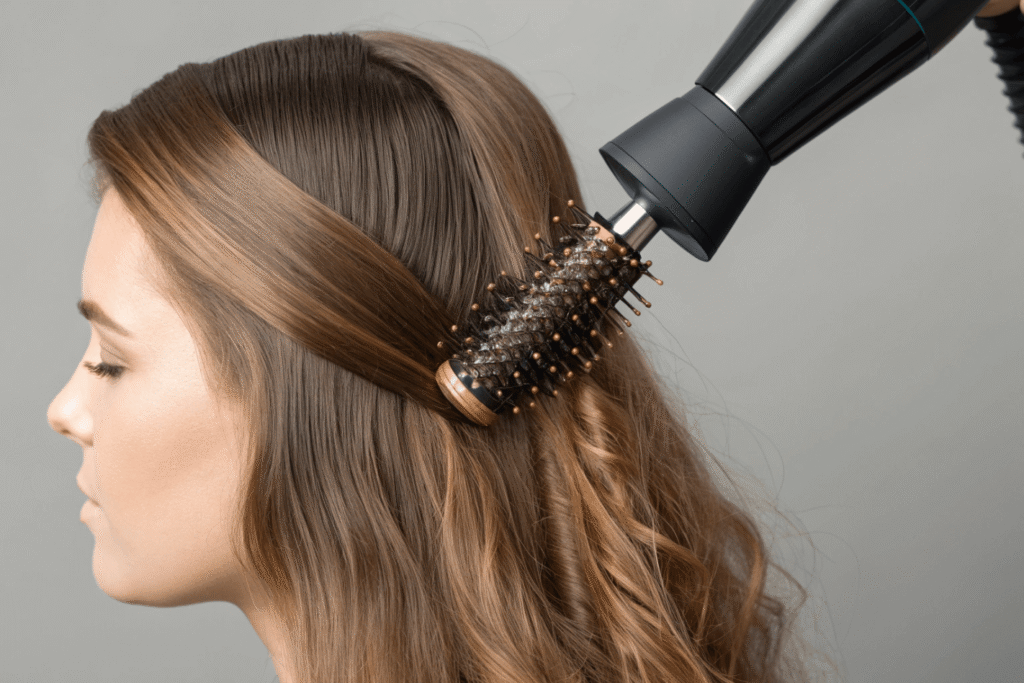
Am I overusing heat and causing dryness or shedding?
Synthetic vs. human hair: two different heat tolerances
- Synthetic fibers: Regular synthetics (Kanekalon/Toyokalon) are not heat-safe. Even “heat-friendly” synthetics have a narrow window (typically 250–280°F / 120–140°C). Exceeding it causes fiber softening, glossing, shrinkage, and irreversible frizzing.
- Human hair: Heat above ~320°F (160°C) without protectant degrades the cuticle. Repeated passes at 350–410°F (175–210°C) bake moisture out, roughen the cuticle, and accelerate breakage and shedding at the knot.
What I’ve seen in QC: units return with “mystery frizz” that under magnification looks like compressed, flattened synthetic filament—classic overheating. On human hair, we find cuticle lifting and white-line microfractures on mid-shafts where tools clamp.
Temperature, tool, and technique guidelines
- Always apply a heat protectant with film-formers (e.g., silicones that volatilize cleanly) on human hair; avoid alcohol-heavy sprays on lace.
- Single, smooth passes; don’t clamp-and-hold. Lower temperature + longer pass is safer than high temp + short pass.
- For synthetic: default to no heat. If heat-friendly, test on a trimmed fiber from the nape before styling the crown.
Ambient heat you might not consider
Oven doors, steam from boiling pots, and open grills can deform synthetics. I advise care cards to include “kitchen heat” warnings—returns often spike around holidays for this reason.
Quick heat reference
| Fiber type | Max temp (safe practice) | Failure signatures | Preventive steps |
|---|---|---|---|
| Synthetic (standard) | 0°F/No heat | Melting, plastic odor, shiny clumps | Style cold; use rollers + cool set |
| Synthetic (heat-friendly) | 250–280°F (120–140°C) | Shrinkage, crimped frizz | Test strand; lowest setting; brief contact |
| Human hair | 300–340°F (150–170°C) | Dryness, split ends, shedding at knots | Heat protectant; single passes; cool-down between sections |
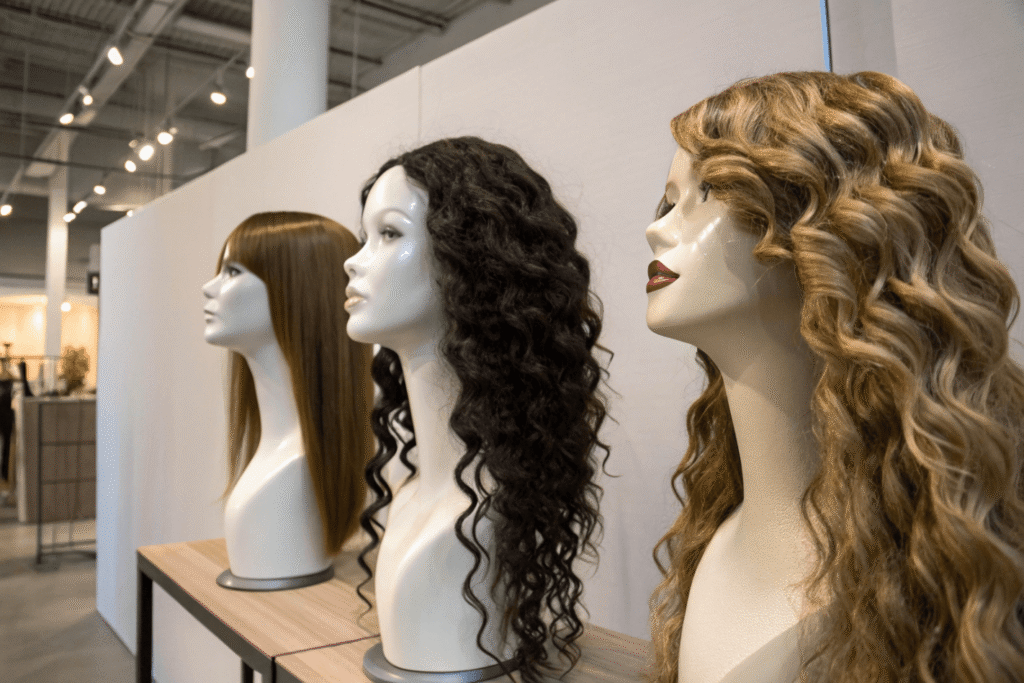
Do tight ponytails stress my lace and knots?
Yes—tension is the silent killer of lace integrity. I’ve seen beautiful units fail early because daily high buns or slick ponytails placed chronic load on the front hairline and crown.
Where tension does the damage
- Knots: Double knots are stronger than single, but both loosen under repeated pull from the same direction. This shows up as localized shedding along the part or hairline.
- Lace: Constant upward pull deforms mesh apertures, making them larger and more tear-prone.
- Wefts: Trimming or restitching wefts during styling compromises edge security.
High-risk styling behaviors
- Tight ponytails/buns, especially high placements that lift from the front lace.
- Backcombing/teasing without prior detangling—this rips fibers and pries at knots.
- Using metal-tail combs aggressively on wet lace fronts; wet fibers stretch and snap easily.
- Overplucking hairline or part for “scalp realism.” A little is fine; overdoing it weakens the knot grid and creates bald spots.
Safer alternatives and tool choices
- Opt for low-tension silhouettes: low pony, loose claw clips, soft scrunchies instead of elastic bands.
- If you must go sleek, distribute load: use a gentle wrap method and avoid anchoring from the same lace points daily.
- Detangle from ends upward with a wide-tooth comb; switch to a boar/nylon mixed brush only when hair is mostly dry.
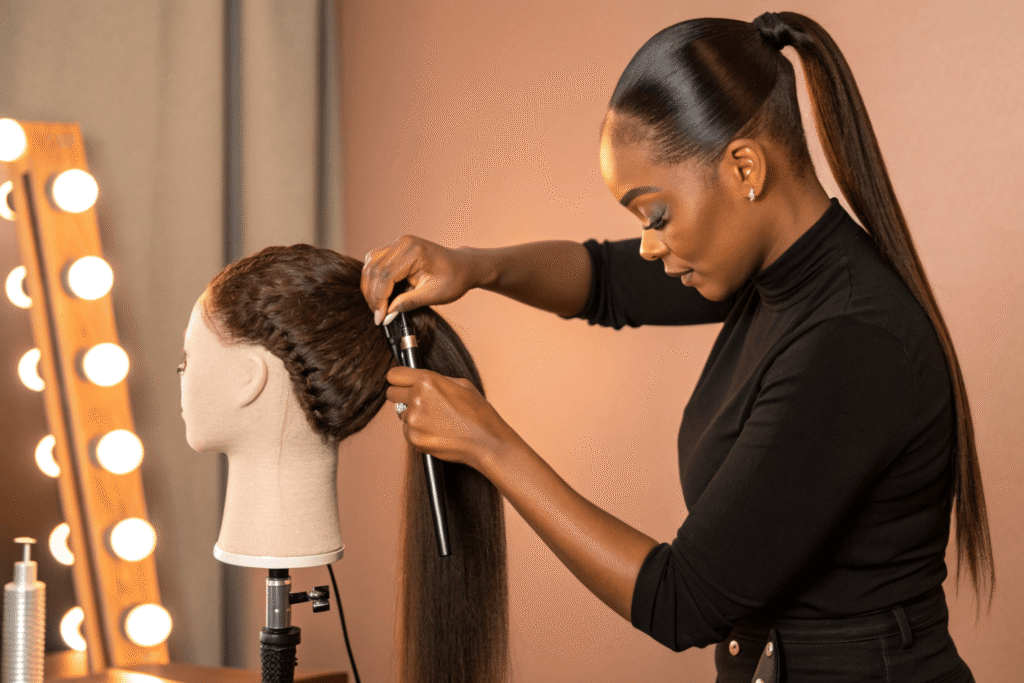
Is my product buildup shortening time between washes?
It probably is—especially if you’re applying heavy oils, waxes, and silicones near the roots. In my returns analysis, sticky knots are a top driver of tangling, slippage, and the “it suddenly started shedding” complaint.
How buildup accelerates wear
- At the base: Oils and waxes migrate into the knots, lubricating them and encouraging slippage under daily brushing.
- On the fiber: Heavy silicones and gels form films that attract dust and oxidize, turning tacky. This increases friction, leading to mid-shaft matting—forcing aggressive detangling that breaks fibers.
- On the lace: Alcohol-based sprays dry the mesh, increasing brittleness and tear risk.
Product selection and placement
- Use wig-safe, sulfate-free cleansers; avoid strongly alcohol-based holding sprays on lace areas.
- Keep heavy stylers away from the first 1–1.5 inches of the hairline and part. If you need hold, use light water-based gels and emulsify in palms before applying.
- UV matters: On human hair, add UV + heat protectants to prevent color fade and cuticle weakening.
Wash cadence and reset protocol
I recommend a “soft reset” when hair feels grabby: mist with water + a few drops of lightweight leave-in, detangle, then cleanse. As a rule of thumb:
- Human hair: wash every 8–12 wears, sooner if using styling aids frequently.
- Synthetic: every 6–8 wears, with a dedicated synthetic cleanser and cool water.
Buildup risk matrix
| Product type | Root risk (knots/lace) | Mid-shaft risk | Notes |
|---|---|---|---|
| Heavy oils/waxes/pomades | High | Medium | Keep off knots; spot-apply on ends only |
| Alcohol-heavy sprays | High (lace drying) | Low | Use alcohol-reduced formulas; avoid direct lace spray |
| Light, water-based gels/creams | Low–Medium | Low | Apply sparingly; comb through to distribute |
| Heat/UV protectant (silicone-lite) | Low | Low | Essential for human hair; avoid drenching lace |
How can I set a routine that protects both hair and cap?
Here’s the maintenance framework I give to brands to include in care inserts and stylist trainings. It’s designed to reduce friction events, heat exposure, and tension—three levers that dictate lifespan.
Daily (wear days)
- Before wear: Light mist (water + a few drops of leave-in for human hair). No oils at the roots.
- Detangle: Wide-tooth from ends up; avoid brushing when soaking wet.
- Styling: Prefer no-heat methods (rollers, flexi-rods, cool blow). If using heat, stay within the safe range and apply protectant to human hair only.
- Tension: Choose low, loose styles; rotate part to avoid repeated stress on the same knot line.
After wear
- Ventilate: Place on a stand to dry sweat from the cap; never store damp.
- Spot clean lace: If adhesive was used, remove gently; avoid alcohol saturation of lace. Use dedicated adhesive removers and rinse.
Weekly
- Soft reset: If slip is lost or hair feels sticky, mist, detangle, then co-wash (human hair) or refresh (synthetic) per fiber guidelines.
- Inspection: Check hairline, part, and nape for early tangles or thinning; address immediately to prevent escalation.
Wash cycle (per cadence above)
- Water temp: Cool to lukewarm. Hot water relaxes curl sets and stresses knots.
- Technique: Soak, swish gently; no scrubbing. Condition mid-lengths to ends only.
- Drying: Blot with microfiber; air-dry on a stand. Avoid high heat blow-drying; for human hair, use low heat with nozzle and constant motion if needed.
Don’t do list to protect structure
- Don’t cut lace too close to the knots; leave a 3–5 mm margin to maintain structural integrity.
- Don’t trim or thin wefts during casual styling—compromises anchoring and voids many warranties.
- Don’t backcomb aggressively; if volume is needed, use root-lifting powders sparingly and support with low-tension setting methods.
- Don’t use metal combs harshly on wet lace fronts—switch to plastic wide-tooth tools.
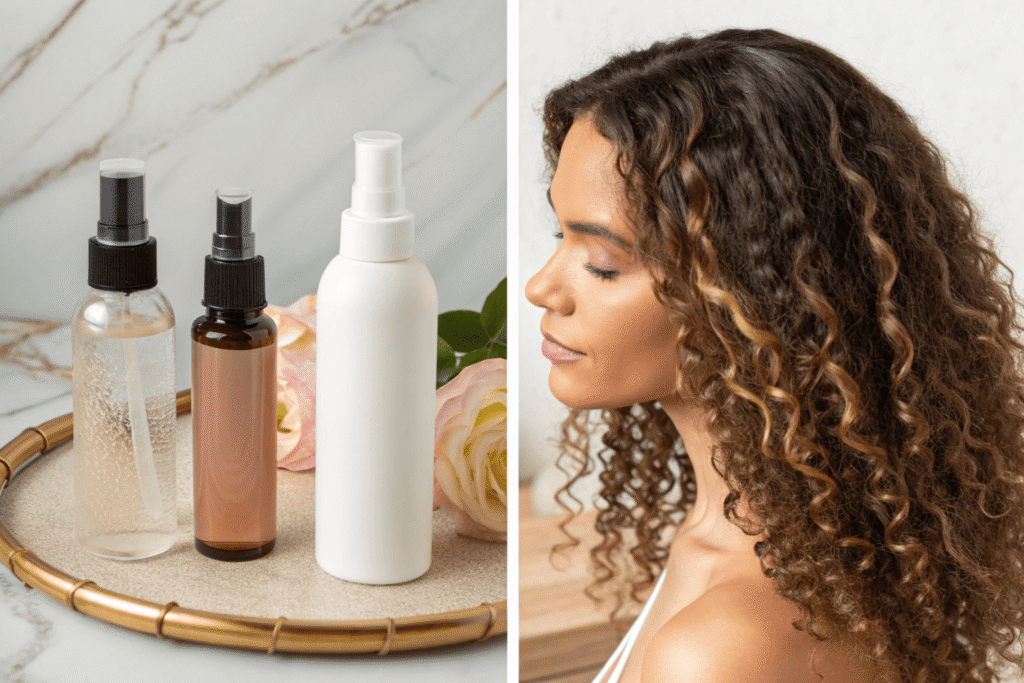
Buyer guidance for teams
For brand owners and wholesalers, include a temperature card with each unit, list fiber type clearly (synthetic, heat-friendly synthetic, human hair), and specify knot type (single vs. double) so stylists understand tension tolerance. Train retail partners to demonstrate detangling technique and to explain why oils near the base shorten lifespan—it reduces avoidable returns and increases customer satisfaction.
Bottom line from what I’ve seen in factories and after-sales: heat control, low-tension styling, product discipline, and gentle manipulation are the four habits that keep both hair and cap working longer. Build those into your care messaging, and you extend usable life while cutting service issues across the board.