
I’ve spent years building sourcing programs for synthetic and blended-fiber wigs, and the pain points rarely change: inconsistent denier and crimp across batches, color lots that drift just enough to trigger returns, and peak-season allocation that favors whoever signed the better contract last year. If you’re balancing premium SKUs with budget lines, you’re constantly choosing between Japanese/Korean consistency and Chinese volume economics, all while keeping compliance, flame-retardancy, and sustainability requirements in check.
Most wig manufacturers source synthetic hair from petrochemical-derived fibers—primarily modacrylics such as Kanekalon and Toyokalon—and high-heat blends based on polyester and polyamide. These fibers come from specialized Japanese and Korean suppliers for premium consistency, and from large Chinese producers for scale and price efficiency. The supply chain typically flows from polymer producers → fiber extrusion and texturizing → regional distributors who convert filaments to wefts and braids → wig factories.
I’ll map the commercial flow from fiber maker to weft supplier to factory, compare sourcing hubs by price-quality, detail how I vet suppliers for consistency and compliance, and outline contract structures that secure allocation when demand spikes.
How do I map the supply chain from fiber maker to weft supplier to factory?
1) Polymer and monomer origin
- Base chemistry: acrylonitrile and vinyl chloride for modacrylics (e.g., Kanekalon, Toyokalon), PET for polyester, and various polyamides for heat-resistant blends.
- Petrochemical majors supply the monomers and intermediates (e.g., AN, VCl, PTA, EG). These are converted into pellets or solutions for spinning.
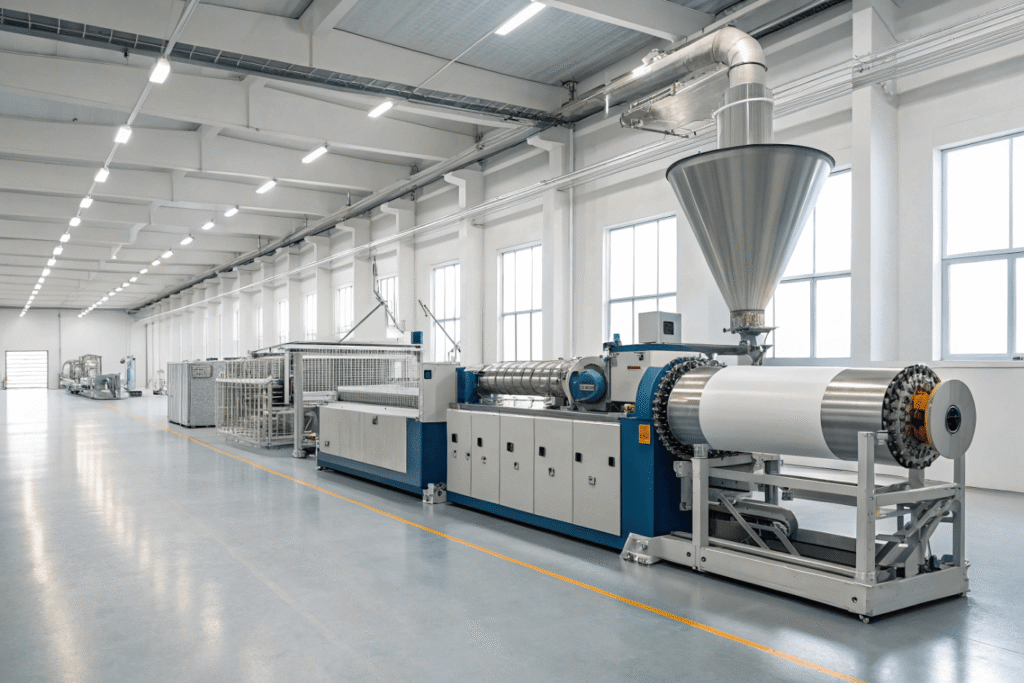
2) Fiber extrusion and texturizing
- Specialized Japanese and Korean firms produce consistent denier, crimp, and colorfastness using solvent or melt spinning, followed by drawing and texturizing to mimic cuticle-like behavior and movement.
- Chinese fiber producers focus on scale, offering cost-effective filaments and pre-colored strands for budget lines.
- Processing steps: extrusion → drawing (strength, fineness) → crimping (bulk, hand) → heat setting/steam processing (curl retention) → surface coatings (silicone, anti-static) → color masterbatch or solution-dyeing.
3) Conversion to hair formats
- Regional distributors and converters take bulk filaments and turn them into:
- Machine wefts (various widths)
- Pre-braided bundles
- Pre-looped strands for crochet/box braids
- Bulk cut lengths for ventilating and machine sewing
- Pre-colored synthetic fibers are common, letting factories avoid post-dyeing and hit shade accuracy at scale.
4) Wig factory intake and assembly
- Factories in China (Xuchang, Guangzhou), Indonesia, and parts of Vietnam receive wefts/filaments alongside lace bases and caps.
- Workflow: incoming QC (denier, crimp, shade, odor/VOC) → ventilating or machine wefting → styling (steam set for curl patterns, heat-defiant shaping for HD fibers) → final QC (tangle resistance, color uniformity, flame tests for modacrylics).
- Brands running premium lines often segregate Kanekalon/Toyokalon from general modacrylic/polyester blends to avoid mixed-handfeel outcomes.
Typical flow overview
| Stage | Key Actors | Deliverables | QC Checkpoints |
|---|---|---|---|
| Polymer/Monomer | Petrochemical companies | AN, VCl, PTA, EG, nylon intermediates | Purity, residuals, REACH status |
| Fiber Production | Japan/Korea/China fiber makers | Filaments, staple, pre-colored fiber | Denier, crimp, color Lab*, heat resistance |
| Conversion/Distribution | Regional converters | Wefts, braids, pre-looped strands | Stitch integrity, lot labeling, shade |
| Wig Factory | OEM/ODM facilities | Finished wigs | Tangle test, sheen, flame-retardancy, VOC |
Which sourcing hubs give me the best price-quality balance?
Premium consistency: Japan and Korea
- Kanekalon and Toyokalon modacrylics set the benchmark for handfeel, low tangle, and color stability. Ideal for premium lace fronts and fashion lines where repeat shade accuracy matters.
- Korean producers also deliver tight denier control and reliable crimp, often at slightly better lead times than Japan for certain specs.
Volume and cost efficiency: China
- Chinese producers supply large volumes of modacrylic, polyester, and blended polyamide fibers—excellent for budget-friendly lines, seasonal fashion colors, and fast-moving SKUs.
- Strengths: aggressive pricing, broad color libraries, shorter MOQ, capacity to scale during promotions. Trade-off: batch-to-batch variability unless you lock parameters and audits.
Emerging capacity: Southeast Asia
- Vietnam and Indonesia host factories and converters with competitive labor costs, improving turnaround for assembled wigs and semi-finished formats. Fiber itself often still imported from China/Japan/Korea.
Practical selection approach
- Premium capsule collections: Japan/Korea modacrylic (Kanekalon/Toyokalon), flame-retardant grades.
- Mid-range: Korean modacrylic or Chinese top-tier lines with strict SOPs and pre-shipment shade approvals.
- Entry-level: Chinese polyester/modacrylic blends, pre-colored, with reinforced tangle and abrasion tests.
Price-quality quick comparison
| Hub | Fiber Types Typical | Strengths | Watch-outs |
|---|---|---|---|
| Japan | Modacrylic (Kanekalon/Toyokalon), specialty blends | Best-in-class handfeel, colorfastness, flame-retardant options | Higher cost, longer lead time |
| Korea | Modacrylic, polyamide blends, HD fibers | Consistent denier/crimp, stable QC culture | MOQs can be firm |
| China | Modacrylic, polyester, mixed blends | Price, capacity, pre-colored breadth | Lot variability, enforce specs |
| SEA (VN/ID) | Conversion/assembly, some fiber | Labor efficiency, lead-time on finished goods | Fiber often sourced externally |
How do I vet material suppliers for consistency and compliance?
Define testable specifications up front
- Fiber metrics: denier tolerance (e.g., ±0.2d), crimp amplitude/pitch, draw ratio, filament length uniformity.
- Color: spectrophotometer targets (ΔE ≤ 0.8 against master), lightfastness (ISO 105-B02), washfastness.
- Heat handling: thermal resistance for HD fibers (180–200°C handling without deformation); steam set retention after 10 cycles.
- Surface: coefficient of friction (softness/tangle resistance), presence of silicone/anti-static coatings.
Audit and sampling protocol
- Factory audits: extrusion line capability, texturizing controls, color dosing systems (solution dye vs masterbatch), lot traceability.
- Batch sampling: golden sample + retain samples per lot; run brush-out and tangle tests, abrasion cycles, and flame-retardancy checks for modacrylic.
- Chemical compliance: REACH, CPSIA/California Prop 65 screening; verify residual monomers (vinyl chloride), plasticizers, and VOCs. For flame-retardant modacrylic, confirm test reports per destination market.
Work with converters that protect quality
- Converters should document the lineage from fiber lot to weft lot. Poor stitching or tension can cause shedding and perceived “fiber quality” issues that originate in conversion, not extrusion.
- Require pre-colored fibers with Lab* data. It’s standard practice and reduces downstream dye variability.
Sustainability checks
- Ask for recyclable or lower-VOC fiber options. Increasingly, brands specify reduced emissions during extrusion and coatings designed for lower off-gassing in final products.
What contracts secure priority allocation during peak demand?
Capacity reservation and allocation clauses
- Volume reservation: commit annual minimums with quarterly call-offs; secure a defined weekly extrusion capacity and dye line hours.
- Priority allocation: clause that ranks your orders ahead of non-contracted buyers during Q4–Q1 peaks; include penalties or expedited surcharges if missed.
Price and indexation mechanics
- Link pricing to feedstock indices (e.g., acrylonitrile or PTA benchmarks) with quarterly adjustments. This keeps suppliers whole and prevents “allocation over price” surprises.
- Tiered pricing: better rates for pre-colored standard shades; surcharge for custom blends, specialty coatings (silicone/anti-static), and flame-retardant grades.
Quality and compliance annex
- Append your specification sheet and test matrix. Include right-to-reject language for ΔE, denier variance, VOC exceedance, and flame-retardancy failures.
- Lot traceability requirement: from polymer batch to fiber lot to weft lot, maintained for 24–36 months.
Lead-time and logistics protections
- Firm lead times with buffer capacity; option for VMI (vendor-managed inventory) at the converter’s warehouse for top 20 SKUs.
- Force majeure re-route: if a plant goes down, supplier must source equivalent grade from an affiliated mill (Japan/Korea/China) under pre-agreed spec equivalency.
IP and shade control
- Shade master ownership or co-ownership; restrict redistribution of your custom shades to competitors.
- Confidentiality around custom blends, heat-defiant recipes, and coating formulations that define handfeel.
Conclusion
In my experience, a resilient synthetic hair supply chain starts with clear chemistry choices (modacrylic vs heat-defiant polyester/polyamide blends), then narrows to the right hubs: Japan/Korea for premium consistency, China for price and capacity, and SEA for efficient assembly. Map your flow from polymer to extrusion to conversion, lock testable specs (denier, crimp, ΔE, heat), and audit both fiber makers and converters—tangle resistance and shade accuracy are won in process, not in marketing. Finally, secure peak-season allocation with capacity reservations, indexed pricing, and traceability clauses that protect quality and compliance. That’s how I keep lines in stock, returns down, and brand reputation intact.