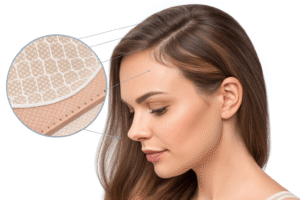
Which wig construction gives the most natural scalp appearance?
I’ve spent years on factory floors and in procurement rooms comparing lace densities, silk laminations, and knotting methods under unforgiving studio lights. When buyers ask

I’ve spent years on factory floors and in procurement rooms comparing lace densities, silk laminations, and knotting methods under unforgiving studio lights. When buyers ask

I’ve sat in QC rooms where a single inconsistent knot can trigger a full lot rework. Hand-tied isn’t just “artistry”—it’s repeatable micro-precision under production constraints.

As a supplier who has engineered and shipped hundreds of thousands of wear-and-go units to salons, marketplaces, and DTC brands, I’ve seen the category transform
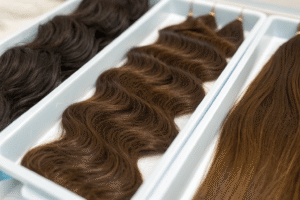
I’ve sat on both sides of the table—costing a run of 1,000 lace fronts in Guangdong and negotiating small-batch medical wigs in Eastern Europe—and the
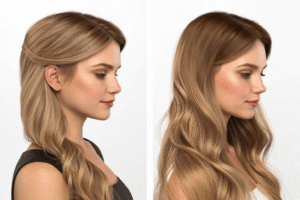
I’ve spent enough late nights on factory floors to know that ventilating is the bottleneck that makes or breaks lead times and margin. Hand-knotting delivers
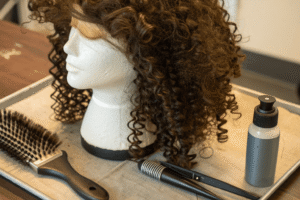
I’ve spent years sitting in wig factories, helping brands tighten their QA and reduce costly post-shipment surprises. I know how hard it is to balance
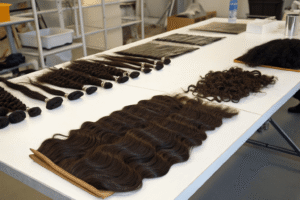
I spend a lot of time in wig plants watching planners juggle celebrity-inspired one-offs with 5,000-piece bulk runs for e‑commerce drops. The tension is real:
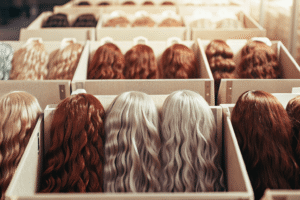
I’ve spent enough time on factory floors to know density isn’t just a marketing label; it’s a supply-chain control point that affects cost, appearance, and

As a wig manufacturing strategist working with factories in China (Qingdao, Xuchang), India (Tirupati), and Eastern Europe, I’ve learned that “natural” is engineered—not accidental. When