
How to Wash a Synthetic Wig Without Damaging the Fibers
If you’ve ever washed a synthetic wig the “normal” way—shampoo, scrub, wring, blow-dry—you probably learned the hard way that wigs don’t play by human-hair rules.

If you’ve ever washed a synthetic wig the “normal” way—shampoo, scrub, wring, blow-dry—you probably learned the hard way that wigs don’t play by human-hair rules.
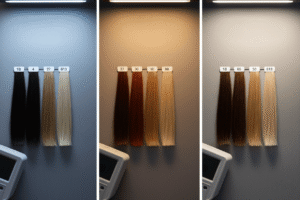
Importing wigs from China can be highly profitable, but only if your pricing is built on accurate landed cost. Freight surcharges, destination port fees, and

Importing wigs from China is a mature yet nuanced category in global sourcing. Prices can swing widely—even for “similar” SKUs—because quotations reflect raw hair grades,

Importing wigs from China is attractive because of breadth of styles, scalable capacity, and globally competitive pricing. But your first constraint is almost always the
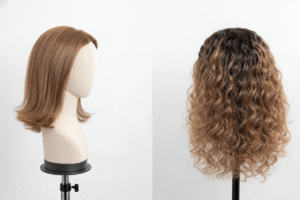
Many stylists and buyers ask why some synthetic wigs take a curling iron while others turn gummy at the slightest heat. If you manage inventory
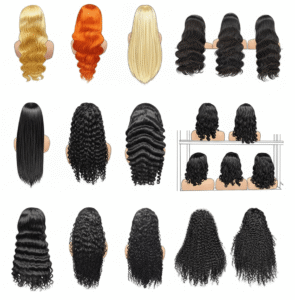
Importing wigs from China is competitive and margin-sensitive. With the right negotiation strategy, you can lower unit costs 10–25% without sacrificing quality or lead time.
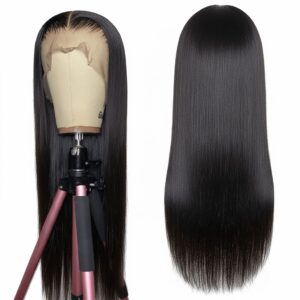
Importing wigs from China can be highly profitable, but only if you control craftsmanship quality. Buyers often focus on price and overlook subtle technical markers—lace
Choosing the right hair type is one of the biggest drivers of customer satisfaction and repeat orders in the wig business. Mislabeling—especially between “Remy” and
Importing wigs from China can be extremely profitable—if you match cap constructions, lace types, textures, and specifications to what your customers actually buy. The market