
I’ve spent years sourcing, testing, wearing, and selling both human hair and synthetic units—plus installing human hair bundles with closures and frontals for clients who prefer sew-ins or quick weaves. I’ve seen gorgeous wigs that fell flat after a few washes, and I’ve also seen premium human hair pieces that kept their luster and movement long after the honeymoon period. Whether you’re shopping for yourself, outfitting salon clients, or stocking your online store, the right choice isn’t one-size-fits-all—it’s about how you wear, care, and style your hair.
Choose human hair if you want maximum realism, heat and color flexibility, and longer lifespan; choose synthetic if you want pre-styled convenience, lower upfront cost, and minimal daily maintenance. For heavy heat styling and coloring, human hair lasts longer; for quick, consistent looks in humidity, modern synthetics hold shape better. Human hair or Remy/virgin bundles blend best with leave-out; synthetics can be shinier. If you sell, explain cuticle alignment, longevity, and restyle freedom to justify price differences.
Let’s walk through the practical trade-offs that matter in real life—quality, shedding, tangling, lifespan, styling freedom, total cost of ownership, and how to explain all of this to your customers (without overwhelming them). I’ll share what’s worked for me, what surprised me, and where buyers often overspend or underbuy.
Which option lasts longer with my heat styling and coloring habits?
If you use hot tools often (think curling/straightening 3–5 times a week) or you like to color and tone, human hair wins on durability and results.
- Human hair (virgin/Remy/raw) typically offers the most natural look and movement because of intact, aligned cuticles. That cuticle alignment is a big reason it behaves like growing hair: it can be curled, pressed silky straight, or colored (ideally by a pro). I’ve watched raw and high-grade virgin hair hold up to regular low- to moderate-heat styling for many months to a year or more with proper moisture care and heat protection.
- Standard synthetic holds its factory style extremely well, but you generally can’t use hot tools or color it. It’s the king of convenience—shake and go—but not the best match for frequent style changes or color experiments.
- Heat-friendly (heat-resistant) synthetic sits in the middle. You can restyle it with lower heat, but in my testing it tends to tangle and frizz faster than standard synthetic. Repeated heat shortens its lifespan, so expect a shorter wear life than regular synthetic and definitely shorter than human hair.
Real talk from the chair:
- I’ve tested synthetic lobs that looked photo-ready daily, even in humidity—but once the nape fibers started to frizz, there was no real recovery.
- I’ve also seen “pretty” human hair that turned dry and dull after a few hot-tool sessions because the cuticles were poorly aligned or the hair was over-processed. Quality matters as much as fiber type.
Rule of thumb:
- Heavy heat and chemical changes: Go human hair (ideally virgin/Remy or raw), be diligent with conditioners and serums, and expect a longer service life.
- Low styling and consistent look: Standard synthetic for the win, especially for humid or high-activity days where shape retention matters.
How do maintenance time and total cost of ownership compare for me?
If you’re short on time, synthetic’s predictability is a gift. If you wear hair daily and plan to keep one look for months, human hair can deliver better long-term value despite higher upfront cost.
Time investment (typical):
- Human hair: 15–25 minutes on “style days,” 5–10 minutes for refreshes, plus deep conditioning every 2–3 weeks. It reacts to weather (frizz/curl drop), so you’ll restyle more in humidity.
- Standard synthetic: 2–5 minutes most days—shake, finger-comb, go. Wash less often, style snaps back after air-dry.
- Heat-friendly synthetic: 5–10 minutes most days; occasional low-heat restyles; more detangling than standard synthetic.
12-month cost snapshot (examples; your market may vary):
- Human hair wig: $300–$1,000+ upfront; $60–$150/year in care; often lasts many months to a year+ with proper rotation and care. If you buy one great unit and actually wear it daily, the monthly cost can be very reasonable.
- Standard synthetic: $60–$250 each; many users replace every 4–6 months with daily wear. Over 12 months, 2–3 units may cost $120–$750.
- Heat-friendly synthetic: $80–$300 each; if you heat-style regularly, expect closer to 3–4 months. Over 12 months, 3–4 units may cost $240–$1,200.
Smart hybrid strategy:
- If budget allows, keep two units: one synthetic for everyday ease (commute, gym, humidity) and one premium human hair for occasions or days you want maximum realism. This setup balances cost, longevity, and styling freedom.
Business lens:
- For salons and online stores, carry both tiers. Position standard synthetics as “wash-and-wear, consistent style” and human hair as the “investment piece” with customization and repairability. Repeat business from synthetic turnover offsets thinner margins, while human hair boosts AOV and loyalty when clients experience the quality difference.
Will synthetic or human hair blend better with my natural leave‑out?
Blending is where human hair shines—especially Remy/virgin textures that match your pattern and luster.
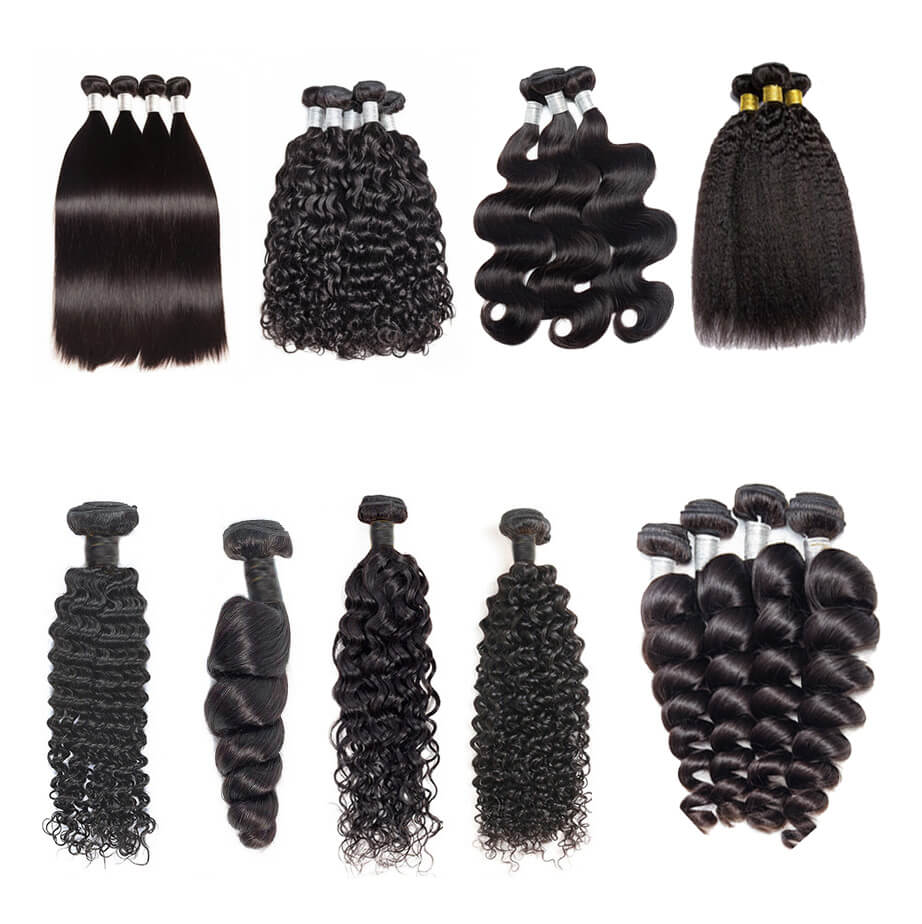
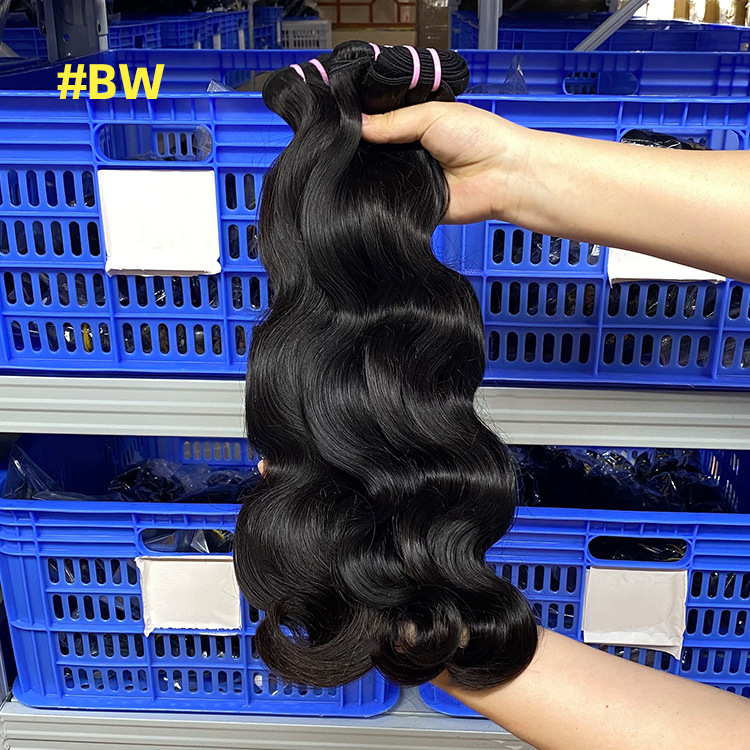
- Human hair (Remy/virgin/raw) blends best with leave-out because the cuticles align and the shine matches natural hair. For sew-in weaves, I recommend body wave bundles for soft movement or straight hair bundles for sleek looks—both blend beautifully when heat-styled at the same temperature as your leave-out.
- Standard synthetic often has a slightly different sheen and fiber “memory,” which can make the line of demarcation more noticeable. In bright light or photos, it can read shinier and less natural next to your leave-out.
- Heat-friendly synthetic can blend a bit better than standard synthetic because you can bump the leave-out and the unit together. Still, repeated heat shortens the synthetic’s lifespan.
Humidity and active days:
- Human hair reacts to weather—your leave-out may frizz even if the install stays sleek. I’ve had straight installs go fluffy by 3 pm on humid days.
- Modern synthetics are more weather-resistant and hold shape. If you know humidity is your enemy, consider a closure or frontal to protect your leave-out and avoid re-styling battles.
Bundles, closures, frontals quick guide:
- Leave-out installs: Go human hair bundles for best blend (2–3 bundles for 12–18″, 3–4 bundles for 20–26″+ depending on desired density).
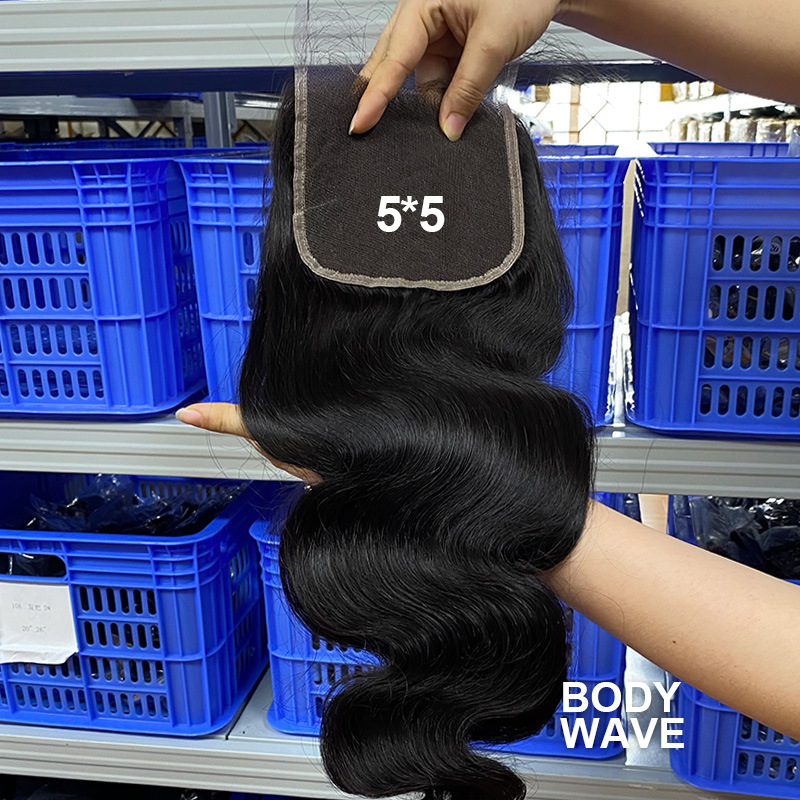
- Hair bundles with closure: Easiest way to lock in a consistent part and texture without daily leave-out maintenance.
- Hair bundles with frontal: Most versatile hairline styling (side parts, half-up) with no need to blend your edges daily.
If I sell, how do I explain the value difference to my customers?
Give them a clear, honest framework that matches lifestyle, budget, and maintenance tolerance.
Messaging that works:
- The look and movement: “Human hair offers the most natural look and movement because the cuticles are aligned. It reflects light like your own hair and can be restyled repeatedly.”
- Styling freedom: “If you like changing your style or color, human hair gives you the flexibility to curl, press, and color like natural hair.”
- Convenience promise: “Standard synthetic is pre-styled and easy. Wash, air-dry, and it pops back into place—perfect for everyday consistency.”
- Longevity truth: “Human hair usually lasts longer; standard synthetic needs replacing more often. Heat-friendly synthetic gives some styling options but wears out faster than both.”
- Weather reality: “Human hair responds to humidity; synthetic is more weather-proof and holds shape.”
- Cost clarity: “Synthetic is more affordable upfront; human hair is an investment that pays off if you wear it frequently.”
For medical hair loss and sensitive scalps:
- Lead with cap construction (lightweight, breathable, hand-tied, silk/mono-top comfort), then choose fiber type. Comfort first, then maintenance level the client can handle.
For humid or high-activity customers:
- Recommend quality synthetics or blended fibers for set-and-forget shape retention. Offer a human hair upgrade for special occasions.
Profit and product mix:
- Stock both: standard synthetic for volume and quick turns; human hair for premium margins and customization services (cuts, color, repairs).
- Offer private label hair extensions and wholesale human hair bundles for stylists and small resellers. Minimum orders can start small if your vendor supports bundle hair wholesale—ask about consistency, QC, and restock times to protect your reputation.
- Educate your team on common complaints (nape tangling in synthetic; dryness or shedding in human hair) and how your aftercare guides reduce returns. Repeat orders come from realistic expectations and strong maintenance support.
Comparison Table
| Aspect | Human Hair | Synthetic (Standard) | Heat-Friendly Synthetic |
|---|---|---|---|
| Look & movement | Most natural; realistic movement and light reflection due to cuticle alignment | Looks good; can appear shinier/less realistic under bright light | More natural than standard for some styles; still slightly different shine |
| Styling | Full flexibility: curl, straighten, cut, and pro color | Pre-styled; generally no heat or color changes | Limited heat styling at low temps; no chemical color |
| Longevity | Many months to 1–3 years with proper care and rotation | Often 4–6 months with regular daily wear | Commonly 3–4 months if heat-styled regularly |
| Weather response | Reacts to humidity (frizz/curl drop) | Highly shape-retentive in weather | Better hold than human hair; heat use shortens life |
| Daily maintenance | Higher: conditioning, heat protection, restyling as needed | Lowest: shake-and-go, style returns after wash | Moderate: more detangling; occasional low-heat restyles |
| Upfront cost | Highest; “investment piece” | Lowest; easy to own multiple looks | Mid–low; higher than standard synthetic in some lines |
| Total cost over 12 months | Can be lower if worn daily and cared for | Adds up if replacing 2–3x/year | Adds up faster if using heat frequently |
| Best for | Maximum realism, customization, frequent heat/color | Set-and-forget consistency, budget-friendly rotation | Some styling freedom without human hair price |
| Watch-outs | Needs care; impacted by humidity; vet quality | Shine, nape tangling, limited restyle | Faster wear with heat; careful temp control needed |
FAQ
- How long do these options last?
Human hair often lasts many months to over a year (or longer with rotation). Standard synthetic averages 4–6 months with daily wear; heat-friendly synthetic can be 3–4 months if you use heat often. - Which is easier to maintain day-to-day?
Standard synthetic—hands down. It keeps its pre-set style after washing. - Which blends best with natural leave-out?
Human hair (Remy/virgin/raw) blends best. If humidity sabotages your leave-out, consider a closure or frontal to protect your hair. - Can I bleach or color them?
Human hair can be colored (by a pro). Standard synthetic cannot. Heat-friendly synthetic typically cannot be chemically colored either. - Are expensive pieces worth it?
If you’ll wear it frequently and want natural movement and styling freedom, yes—premium human hair provides strong long-term value. If you wear hair occasionally or change looks often, synthetic is usually more cost-effective. - I have a sensitive scalp—what should I prioritize?
Cap construction first (hand-tied, breathable, lightweight), then choose the fiber that matches your maintenance comfort level.
Conclusion
Here’s my straight take after years of testing and selling both: For most people, human hair is best if you want maximum realism, styling freedom, and long-term value, while synthetic is better if you want lower upfront cost, pre-styled convenience, and minimal maintenance. In practice, your choice should be based on how often you’ll wear it, how much time and money you want to invest, and how often you like to change styles or colors.
If you heat style and color a lot, go human hair and treat it like an investment—your results and longevity will justify it. If you want a flawless, consistent look with almost no effort (especially in humidity or high-activity days), standard synthetic will make your mornings easier. And if your budget allows, keeping one easy synthetic for daily wear and one premium human hair unit for special days is the most balanced, real-world solution I recommend to clients and resellers alike.
Futher Reading: https://biwinco.com/human-hair-bundles-ultimate-buying-guide/