
Many wig wearers notice their human hair wigs drying out, tangling at the nape, or shedding at the knots after a few months of daily use. If you’ve invested in premium hair, seeing it age too quickly can be frustrating—and costly.
The most natural way to extend a human hair wig’s lifespan is to follow a gentle care routine: wash every 8–12 wears with sulfate- and paraben-free shampoo in cool water, detangle from ends to roots on a stand, air-dry away from heat, limit hot tools to ≤300°F/150°C with protectant, deep-condition mids-to-ends each wash, store in silk/satin away from UV and humidity, and rotate between at least two wigs. Add a silk liner and pillowcase to reduce friction, avoid heavy oils at the base, seal knots, and book professional tune-ups every 6–8 weeks.
This approach preserves cuticle integrity, reduces mechanical stress, and protects the cap structure—critical for both consumers who want longer wear and industry professionals who need durable pieces for clients, retail, or rental programs. As a manufacturer and B2B supplier, we see these “small” habits translating into 18–36 months of healthy wear from quality human hair units.
What heatless styling methods protect my fibers long-term?
Heat is the fastest way to age a human hair wig. Even though human hair tolerates styling tools better than synthetic, repeated high heat roughens cuticles, dries fibers, and weakens knots. We encourage stylists and retailers to educate clients on heatless methods that deliver salon-quality results while protecting fiber integrity.
Heatless methods we recommend (manufacturer-tested)
- Braid-outs for waves
- Braid damp hair into 4–8 sections; larger braids = looser waves, smaller = tighter.
- Undo when fully dry; finish with a light, silicone-free serum on ends.
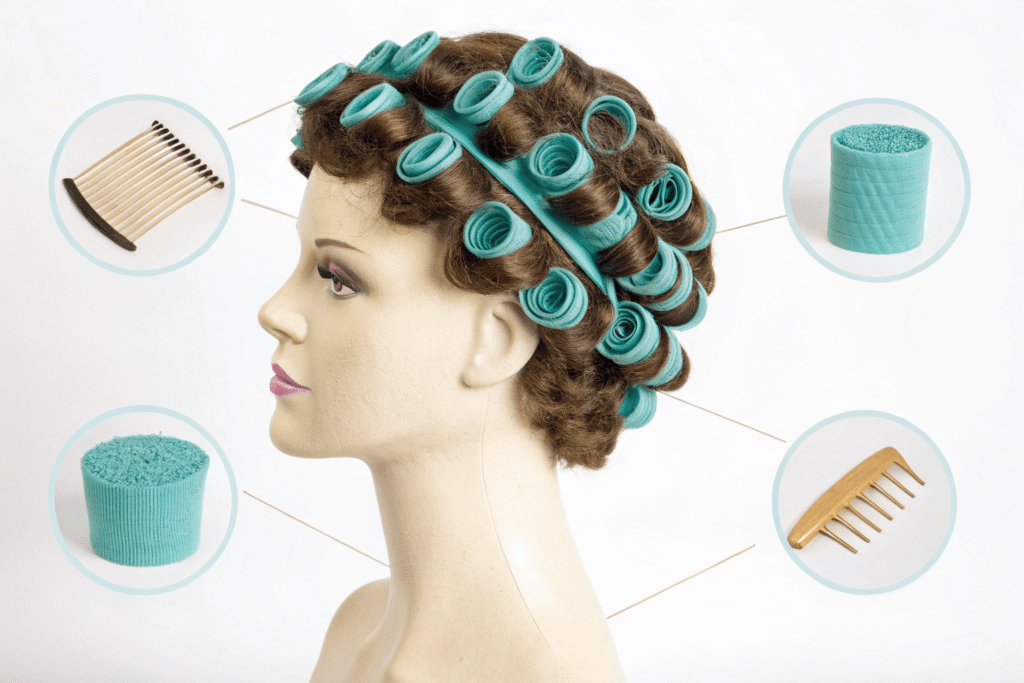
- Foam or Velcro roller sets
- Apply a lightweight setting lotion to damp hair, roll, and let air-dry overnight.
- Ideal for volume and uniform curl without clamp marks.
- Twist-and-pin buns
- Twist small sections from mid to ends, pin into buns, and release after 4–6 hours.
- Produces soft, lived-in curls with minimal manipulation.
- Pin curls (classic)
- Flat-pin damp curls against the cap; wrap with a silk scarf; air-dry.
- Great for vintage shapes and face-framing movement.
- Sock bun/Donut waves
- Wrap damp lengths around a donut; dry fully; unravel for smooth waves.
Pro tips to maximize longevity
- Always style on slightly damp hair to reduce friction; never force curls on dry, rough fibers.
- Use a wide-tooth comb and fingers to set; avoid fine-tooth combs which add breakage.
- Finish with minimal product—heavy hold sprays or oils can gum up knots and attract dust.
- Limit re-manipulation; set a style to last 2–3 days, then refresh lightly.
When heat is necessary
- Cap hot tools at 300°F/150°C.
- Apply heat protectant evenly, focusing on mids-to-ends—keep product off knots and base.
- Use ceramic/tourmaline tools and keep the iron moving; avoid dwelling on one spot.
- Heat style no more than 1–2 times per week. Beyond that, expect faster cuticle wear.
How do I set a maintenance calendar that I can follow?
Consistency extends life more than any single product. For salons, wholesalers, and OEM partners, offering a simple, printable care calendar improves customer satisfaction and reduces returns.
A practical 8-week rotating calendar
- Daily/each wear
- Light detangle from ends to roots with a wide-tooth comb or wig brush.
- If wearing all day, mist mids-to-ends with a lightweight leave-in before you head out.
- Remove before sleep whenever possible; if not, use silk/satin pillowcases and wrap.
- Every 2–3 wears
- Check nape tangles; mist with detangler and reset with fingers.
- Wipe the cap/liner area with a damp cloth to reduce oil/sweat buildup.
- Every 8–12 wears (or ~3–4 weeks)
- Wash with sulfate-free, paraben-free shampoo in cool water.
- Condition mids-to-ends only; avoid knots and base.
- Air-dry on a ventilated stand; never wring or towel-scrub.
- Every wash
- Deep-condition (lightweight, silicone-free) on mids-to-ends.
- Detangle on a stand while damp; support the hair to prevent shedding.
- Every 6–8 weeks
- Professional maintenance: tighten, repair, reseal knots, treat dryness, and trim ends.
- Optional protein treatment if hair feels overly soft, limp, or stretchy.
- Ongoing
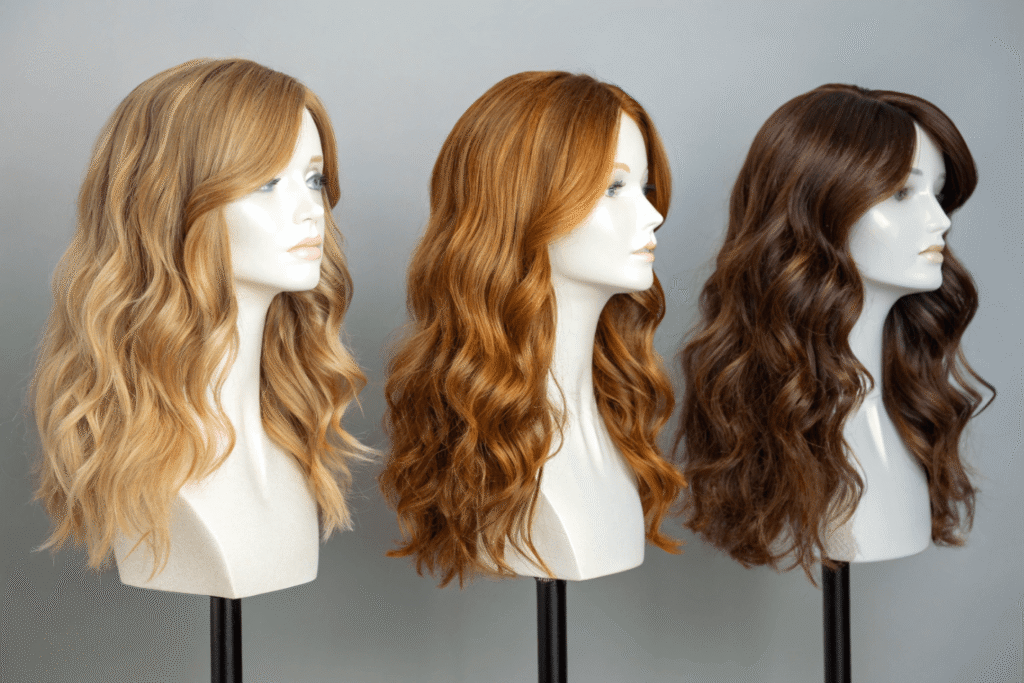
- Rotate between at least two wigs to allow full drying and rest periods.
- Store on a stand or in silk/satin bags away from dust, UV, and humidity.
Quick planning table for teams and clients
| Task | Frequency | Notes for durability |
|---|---|---|
| Wash (cool water, gentle shampoo) | Every 8–12 wears | Prevents cuticle lift and dryness |
| Detangle on stand (ends→roots) | Daily/light; full each wash | Reduces shedding and fiber stress |
| Deep-condition mids-to-ends | Every wash | Keep product off knots/base |
| Heat styling cap | As needed, ≤300°F/150°C | Always use heat protectant |
| Professional tune-up | Every 6–8 weeks | Reseal knots, repair lace/wefts |
| Rotation (2 wigs minimum) | Ongoing | Rest periods = longer lifespan |
| Storage (stand/silk bag) | Ongoing | Avoid UV, dust, humidity |
Which gentle products give me the best durability?
From years of working with hand-tied caps and premium Remy/virgin hair, we see three product principles matter most: sulfate-free cleansing, lightweight slip without heaviness, and knot-safe application.
What to use (and where to apply)
- Shampoo: sulfate-free, paraben-free, low pH
- Apply in cool water; focus on lengths, let suds glide from root to end.
- Conditioner: silicone-free or lightweight silicone
- Apply only to mids-to-ends; avoid knots and base to prevent loosening.
- Leave-in/detangler: light, water-based with gentle slip
- Mist lightly before detangling; never saturate the base.
- Heat protectant: weightless, alcohol-balanced formula
- Even coating on mids-to-ends pre-heat; brush through to distribute.
- Serums/oils: micro-dose, preferably lightweight esters
- One drop emulsified in palms, applied to the last 3–4 inches only.
Avoid at the base and knots
- Heavy oils/butters, thick silicones, and strong-hold sprays—these gum up knots, attract debris, and can cause slippage or shedding.
- High-alkaline cleansers—these raise cuticles, leading to dryness and tangling.
Product selection matrix
| Product type | Recommended attributes | Application zone | Why it helps lifespan |
|---|---|---|---|
| Shampoo | Sulfate-free, paraben-free, cool-water use | Lengths (avoid scrubbing) | Minimizes cuticle lift and dryness |
| Conditioner | Lightweight, silicone-free preferred | Mids-to-ends | Moisture without knot risk |
| Leave-in/Detangler | Water-based, fine mist | Mids-to-ends | Reduced friction and breakage |
| Heat Protectant | ≤300°F compliant, weightless | Mids-to-ends | Shields against thermal stress |
| Serum/Oil | Minimal, lightweight esters | Ends only | Prevents split ends without buildup |
Can alternating wigs reduce wear and tear effectively?
Absolutely. From a production and repair standpoint, daily wear concentrates mechanical stress—on fibers, lace edges, and hand-tied knots. Rotation allows a full dry-down after washing, dissipates adhesive moisture, and reduces friction fatigue at the same contact points.
Why rotation works (the mechanics)
- Rest periods let cuticles settle after washing and styling, reducing raised cuticle risk.
- Adhesives and tapes cure more completely, preventing lace stretch or residue buildup.
- Daily friction at the nape and shoulders isn’t concentrated on one unit, slowing matting and breakage.
How to implement rotation
- Minimum two-wig system: alternate days.
- For heavy users (salons, performers): three-wig system—style, wear, rest cycle.
- Label storage bags or stands with “Wear Today,” “Dry/Rest,” and “Ready” to simplify logistics.
Common mistakes that shorten wig lifespan (and pro fixes)
- Overwashing in hot water
- Fix: cool water only; stretch intervals to every 8–12 wears.
- Detangling off-head or pulling from roots
- Fix: detangle on a stand; ends-to-roots; use misted slip.
- Towel-scrubbing or wringing
- Fix: blot with microfiber; air-dry on a ventilated stand.
- Heavy oils at the base
- Fix: keep products away from knots/cap; seal knots as needed.
- Frequent high-heat styling
- Fix: prioritize heatless sets; cap heat at 300°F/150°C with protectant.
- UV and humidity exposure in storage
- Fix: silk/satin bags; dark, cool, dry storage; avoid windows and bathrooms.
Conclusion
A human hair wig can easily serve 18–36 months when treated like the premium textile it is. Gentle cleansing in cool water, careful detangling on a stand, disciplined heat control, knot-safe product use, smart storage, and professional checkups form a simple, repeatable system. For salons, distributors, and OEM partners, packaging these best practices into care cards and rotation programs dramatically reduces customer complaints and increases repurchase loyalty.
If you’re a salon or distributor, consider offering a two-wig rotation bundle with a maintenance calendar and knot-safe product kit. It’s a practical way to deliver longer-lasting results, happier clients, and a healthier bottom line.