
I remember the first time a salon owner asked me, “Is 10A really better than 9A—or is this just hype?” I’ve been on both sides—buying for salons and testing bundles for my own installs—so I know the confusion is real. When you’re investing in hair, you’re worried about shedding, tangling, whether it can be colored without frying, and how long it will actually last. A higher grade number often suggests “better,” but I’ve learned the label rarely tells the full story.
the “A” grade numbers (8A/9A/10A) are not regulated, and different vendors use them differently. They started as a loose sorting system for bundle consistency, not a universal quality scale. Real quality comes from cuticle alignment (Remy), minimal chemical processing, solid weft construction, and how the hair performs over time—especially with washing and coloring. Treat grades as vendor-specific marketing and always verify with samples, tests, and policies.
In this guide, I’ll break down where the “A” grades came from, how to evaluate hair beyond the label, which options deliver the best value for your brand and clients, and how to avoid misleading claims. By the end, you’ll know exactly what to look for—and what to ignore—so you can buy confidently and protect your reputation.
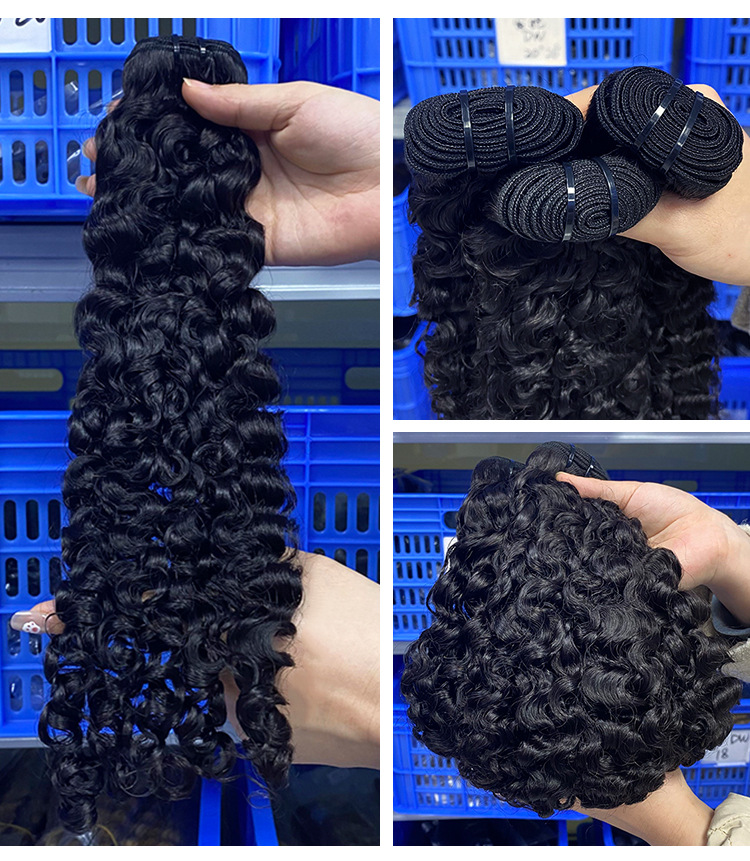
What’s the origin of the “A” grading system for my hair bundles?
The “A” grading system began in wholesale markets as an internal sorting shorthand. Vendors would separate bundles by consistency—strand alignment, drawnness (how even the lengths are), and how uniform the texture looked across batches. Over time, sellers started using higher numbers (like 8A, 9A, 10A, then 12A and beyond) to imply “premium,” but there was never a governing body or standardized checklist behind it.
Here’s the key: there is no official definition of what makes hair 8A vs. 10A. One supplier’s 8A might be another’s 10A, and I’ve seen the same grade number vary widely in fiber origin, processing, and durability. That’s why grades alone don’t guarantee less shedding, better bleach results, or longer wear. They’re mostly marketing shortcuts, not true quality indicators.
When I compare hair, I treat the “A” number as a vendor-specific category. Then I verify the claims: Is it Remy (cuticles intact and aligned)? Is it minimally processed (not stripped with harsh acids then masked with silicone)? Does the weft construction reduce shedding? Those factors predict performance far more reliably than any letter grade.
How do I evaluate quality beyond grades—fiber, wefting, and processing—when I buy?
I use a simple framework: fiber integrity, weft construction, and processing transparency. Then I run quick tests.
Fiber: what’s actually in the bundle
- Remy hair: Cuticles are intact and aligned in the same direction. This is the baseline for low tangling and natural shine. Slide a pinch of strands between your fingers—smooth one way and slightly rough the other indicates aligned cuticles.
- Virgin hair: Remy hair that hasn’t been chemically processed or colored. Best for longevity and color work.
- Raw hair: Minimal to no processing beyond cleansing and wefting. Often coarser, with natural texture variation. Great longevity if cared for.
- Non-Remy hair: Mixed directions, often acid-bathed to remove cuticles and then silicone-coated to feel smooth. Feels silky at first, tangles and dries out quickly after a few washes.
- Single donor vs. multi-donor: Single donor is more consistent in texture and color; multi-donor can be fine if cuticles are aligned.
- Double drawn: Fuller ends because shorter hairs are removed. Costs more, looks lush with fewer bundles.
Popular “origins”—Brazilian, Peruvian, Indian, Cambodian, Vietnamese, Burmese—are often texture profiles rather than strict geography, especially in mass markets. I focus less on the name and more on fiber integrity and performance.
Weft construction: where shedding begins
- Tight, neat machine wefts with minimal beards (short return hairs) reduce shedding.
- Double wefting adds durability for sew-ins.
- Check the stitch density and how secure the fold is at the ends.
- Gentle pre-sealing (not glue-heavy) can help, but a good weft shouldn’t need lots of adhesives.
Processing: how it was treated matters
- Acid baths strip cuticles; heavy silicone coats the hair so it feels silky—but that coating washes off and reveals dryness and tangles.
- Steam processing can create or reinforce textures (body wave, deep wave, kinky curly) without harsh chemicals. Properly steam-processed hair can still be great quality.
- Odor is a clue—chemical smells can indicate heavy processing. A mild steam or shampoo scent is normal.
Simple tests I run before committing
- Strand bleach test: Lighten a small sample to level 7–9. Good Remy/virgin hair lifts evenly and remains soft with treatment. If it turns mushy or breaks excessively, it’s over-processed.
- Wash test: Shampoo and air-dry. Silicone-heavy hair loses slip and becomes dull/rough quickly.
- Friction test: Rub a section back-and-forth. Excessive matting indicates poor cuticle alignment.
- Weight and consistency: Each bundle should be around 95–105g with consistent fullness from weft to ends.
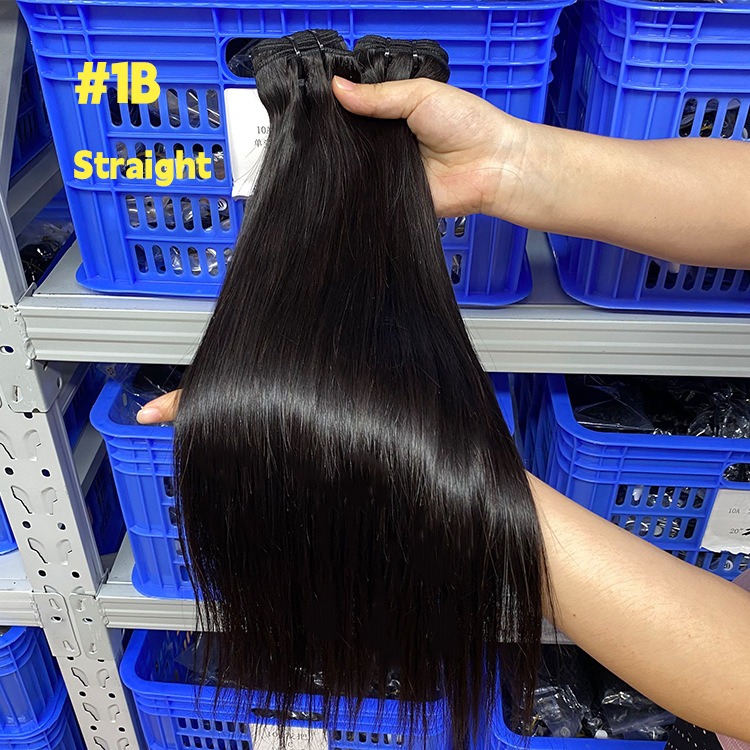
Quick reference: Labels vs. real quality signals
| What sellers claim (8A/9A/10A) | What it often implies | What I actually verify |
|---|---|---|
| “8A” | Mid-tier Remy, some processing | Cuticle alignment, minimal shedding, consistent bundle weight |
| “9A” | Higher Remy/virgin, better fullness | Bleach test to level 7–8, low odor, steam vs. chemical processing |
| “10A+” | Premium/longer lengths, double drawn | End fullness, weft tightness, silicone level, real performance after washes |
If the hair is heavily silicone-coated, it will feel amazing out of the bag regardless of grade, then degrade rapidly after a few shampoos. I watch how it behaves after wash 3—not just day 1.
Which grade level delivers the best value for my customers and my brand?
Because grades aren’t standardized, I build value tiers around performance, not numbers. Think about your client needs, the looks you’ll create, and how often the hair will be reused.
Value by use case (what I recommend most)
| Use case / client profile | Hair type & origin style | Texture notes | Coloring potential | Expected longevity (with care) | Price tier |
|---|---|---|---|---|---|
| Everyday sew-ins, budget-conscious | Remy, multi-donor, lightly steamed | Straight/body/loose wave | Level 4–6 lift | 3–6 months | $ |
| Salon installs with reuse, minimal coloring | Virgin Remy, double drawn ends | Straight/body/deep wave | Level 6–8 lift | 6–12+ months | $$ |
| Premium/lightening and fashion colors | Virgin or raw, single donor if possible | Straight/body; raw wavy/curly for texture | Level 8–9+ with pro care | 12–18+ months | $$$ |
| Textured/protective styles (kinky curly/coily) | Raw/virgin, steam-textured ethically | Kinky curly/kinky coily | Limited lightening advised | 6–12 months | $$–$$$ |
| Wig makers/online resellers needing consistency | Virgin Remy, double drawn, 20″+ lengths | Straight/body wave | Level 7–8 lift | 9–15+ months | $$–$$$ |
A few practical notes:
- If your clients rarely color and prefer body wave/straight, high-quality Remy (not necessarily “10A”) can be your best value.
- For blonding or vivid color work, invest in true virgin or raw hair from a transparent supplier. It’s pricier upfront but protects your brand when results matter.
- Double drawn is worth it for long lengths (18″+), because fuller ends reduce the number of bundles needed per install.
- Bundle count quick guide: 12–16″ = 2–3 bundles; 18–22″ = 3 bundles; 24–30″ = 3–4 bundles; add a fourth for very long or very full looks, especially with double-drawn hair you can sometimes use fewer.
Bottom line: the “best” grade is the one that fits your service menu and holds up for your clients. I judge value by longevity, reusability, color performance, and how few complaints I get—not by the letter on the tag.
How do I avoid misleading labels when choosing my supplier?
I treat 8A/9A/10A as vendor-specific categories and verify everything.
What I ask for every time
- Source transparency: Remy or non-Remy? Virgin or processed? Single donor or multi-donor? Claimed origin and what that means in practice.
- Processing steps: Acid bath used? Silicone coating? Steam processing only? Any dye used at the bundle stage?
- Performance proof: Raw, unfiltered comb-outs; videos of wet combing; a strand bleach test to level 7–9.
- Weft details: Machine double-weft, stitch density, shedding policy, and whether ends are reinforced.
- Consistency and weight: Bundle weight (95–105g), length accuracy, and end fullness (double drawn vs. single).
- Policies: Return/exchange terms, defect window, and batch codes for traceability.
- Reviews and references: Real salons or resellers currently using the hair, with install photos after multiple washes.
Green flags I look for
- Clear answers about processing and cuticle alignment (Remy).
- Willingness to send sample bundles and allow testing.
- Realistic promises about bleaching (e.g., “safe to 7–8 with professional care”).
- Consistent bundle weights and textures across batches.
- Care instructions that don’t hide behind “use only our products.”
Red flags that scream “marketing grade” only
- Reliance on “12A/13A” language without specifics.
- Super slippery hair with strong silicone feel and chemical odor.
- “Blondes to level 10” claims on dark bundles without proof.
- No return policy or refusal to provide sample units.
- Vague or shifting answers on origin, donor type, or processing.
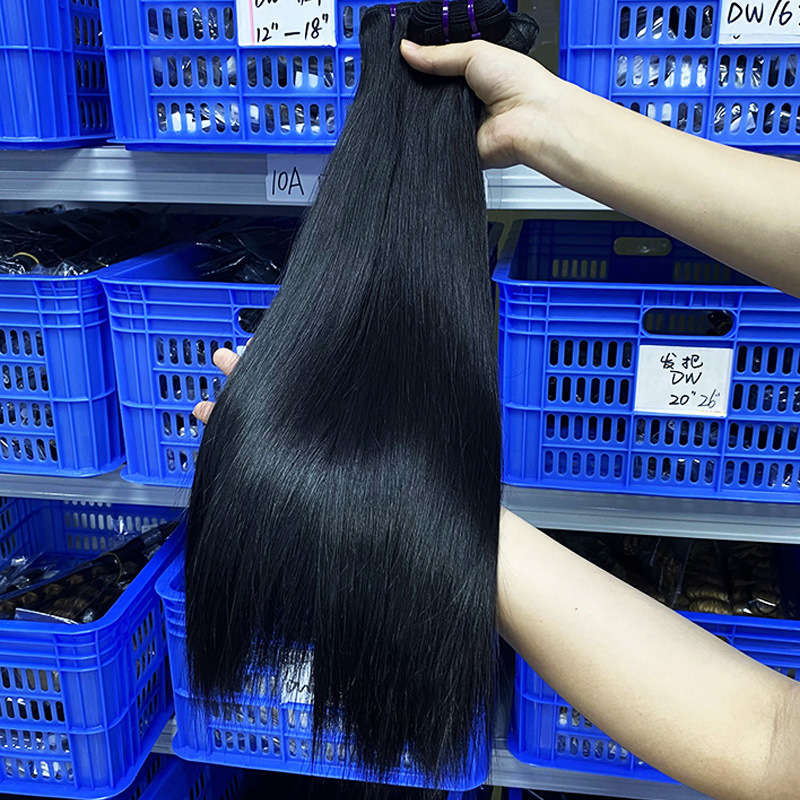
My quick verification routine before I scale up
- Order 2–3 sample bundles in your core lengths and textures.
- Wash, air-dry, then wear-test or install on a mannequin for 2 weeks.
- Perform a small strand lift test and a friction test.
- Track shedding by brushing over white paper after wash 1 and wash 3.
- If it passes, place a small pilot order and re-check batch consistency.
And remember: even good suppliers can have off batches. Keep notes by batch/lot number, and don’t be afraid to switch if performance slides.
Care tips to protect your investment (and keep performance honest)
- Use sulfate-free shampoo, nourish with a silicone-free or light-silicone conditioner, and rinse thoroughly.
- Always use heat protectant; keep hot tools 380°F/193°C or lower, especially on colored hair.
- Detangle from ends up; for curly/kinky textures, use a wide-tooth comb and define with leave-in cream.
- Store bundles/wigs on a hanger or mannequin to prevent kinks and friction.
- Educate clients—proper care is part of how quality shows up in real life.
Conclusion
The 8A/9A/10A grading system isn’t a universal standard—it started as informal sorting and evolved into marketing. I don’t dismiss grades entirely, but I never rely on them. Real quality shows up in cuticle alignment (Remy), minimal harsh processing, solid wefting, low shedding/tangling, and reliable color performance. If you verify with samples, simple tests, and transparent supplier policies, you’ll choose bundles that last, delight your clients, and protect your brand—no matter what letter is on the label.
Futher Reading: https://biwinco.com/human-hair-bundles-ultimate-buying-guide/