
I’ve sourced, tested, worn, and sold human hair bundles for years—across raw hair, virgin hair, and Remy hair—working directly with salons, stylists, and small hair businesses. I’ve seen bundles that looked dreamy on day one but thinned out after a few washes, and I’ve also handled double drawn bundles that kept their shape and density through multiple installs. If you’re deciding between single drawn and double drawn, I’ll break down exactly how each affects fullness, styling, cost, and your bottom line.
Choose double drawn if you want maximum fullness from root to tip and fewer bundles per install; choose single drawn if you prefer a more natural taper, lower cost, and easy blending with your own hair. Both are human hair bundles, but double drawn is manually sorted for thicker ends and uniform volume, while single drawn has more length variation and thinner tips.
From personal wear to salon installs and wholesale purchasing, the most common questions I get are about hair quality, shedding, tangling, lifespan, styling flexibility, pricing differences, and supplier reliability. Let’s walk through the practical differences so you can choose what fits your look, budget, and business model.
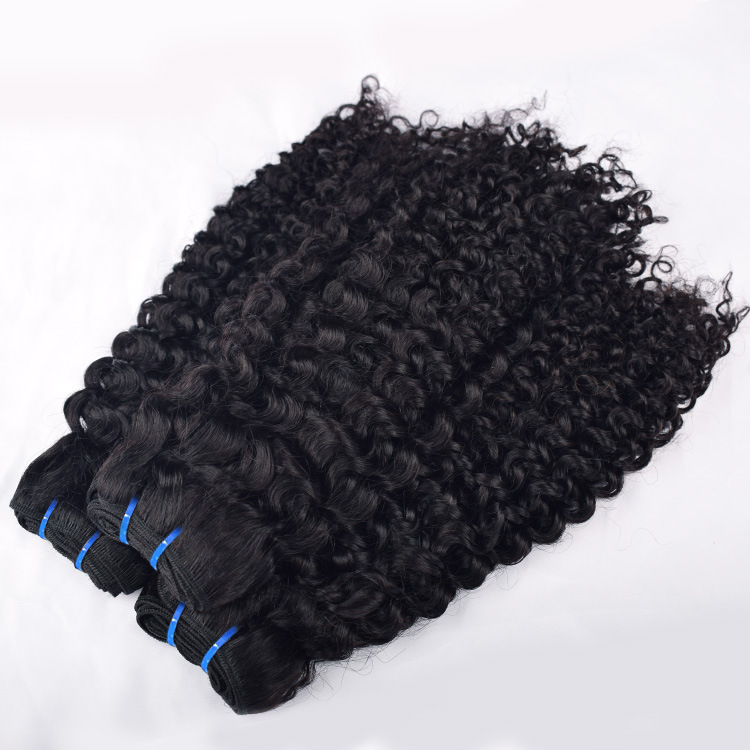
What does double drawn vs single drawn mean for my bundle thickness?
At its core, “drawn level” describes how uniform the strand lengths are within a bundle—especially how full the hair is from the mid-shaft down to the ends.
- Single drawn human hair bundles: More length variation in each bundle, so you get a natural taper from root to tip with thinner ends. This is the most common format on the market and is generally more affordable because it involves less labor-intensive sorting. (Insights 1, 3)
- Double drawn human hair bundles: Manually hand-sorted to remove shorter strands and align longer ones, giving you fuller, thicker ends and more uniform density from mid-lengths to tips. This added sorting and the higher proportion of long strands make double drawn bundles cost more. (Insights 2, 4)
What that means for thickness:
- Double drawn looks and feels thicker for the same length because the ends are denser. You’ll often need fewer bundles to achieve a full, voluminous install—especially for longer lengths. (Insight 5)
- Single drawn can still give you a full look, but you may need an extra bundle (especially at 20 inches and longer) if you want the fullness concentrated at the ends.
Real-world note: I’ve tested single drawn bundles that felt luscious out of the pack but looked lighter at the ends after the first trim. I’ve also installed double drawn sets where the density stayed consistent even after a blunt cut.
How do these options compare in fullness from root to tip and styling for me?
Fullness from root to tip
- Single drawn: Fuller at the roots and mid-shaft, then gradually tapers. This mimics natural hair growth patterns. Great if you want movement and a softer, everyday finish. (Insight 6)
- Double drawn: More consistent fullness all the way down, resulting in bolder silhouettes and a premium, salon-quality finish.
Styling notes from behind the chair
- Blunt and one-length cuts: Double drawn gives the cleanest silhouette with minimal trimming because the ends are already thick. If you love sharp bobs, sleek straight looks, or precise lobs, this is your best friend. (Insight 7)
- Layered, feathered, or face-framing styles: Single drawn creates movement without removing much length or density from the overall shape. You’ll get that airy, flowy finish without over-thinning the ends. (Insight 8)
- Blending with leave-out: If your natural hair is fine or low-density, double drawn may look conspicuously fuller than your leave-out. To avoid a mismatch, use a closure or frontal, add strategic face-frame layers, or choose single drawn for a more seamless blend. (Insight 9)
- Texture choices:
- Straight hair bundles and body wave bundles emphasize these differences the most—double drawn gives a glassy, runway finish; single drawn reads “natural and lived-in.”
- Deep wave bundles and curly hair bundles naturally look fuller, so the drawn level matters less visually but still affects how crisp your ends look after detangling and styling.
- Heat and color: Drawn level doesn’t determine bleach-ability on its own; donor hair quality, cuticle alignment, and prior processing matter more. That said, premium double drawn options often use a higher ratio of long, strong strands that may withstand color better when sourced from reputable vendors.
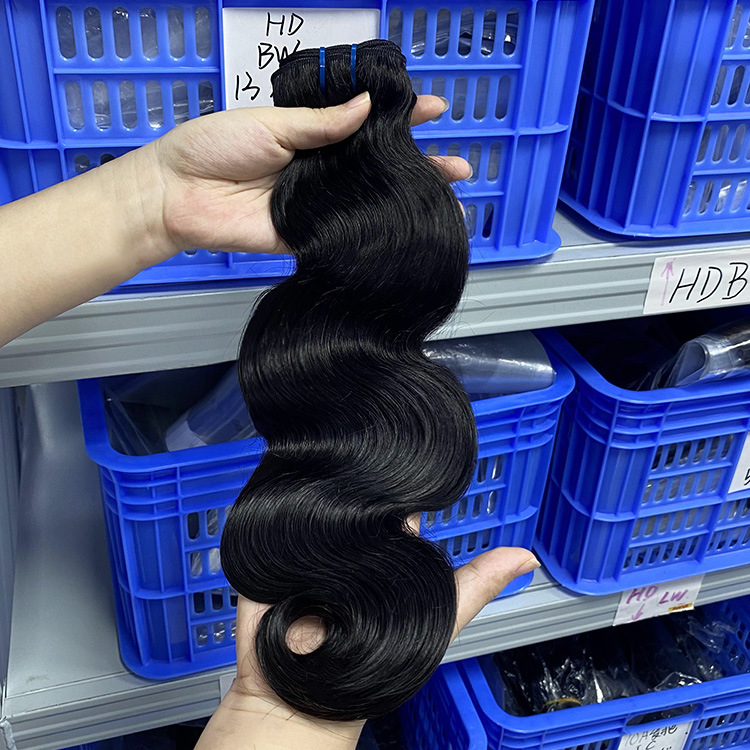
Practical advice I give clients
- Planning a blunt cut or a sleek, extended wear install? Go double drawn and save yourself trimming time.
- Want soft layers, an everyday look, and easy blending with natural hair? Single drawn delivers movement with a realistic taper.
Which drawn level is best for my target price point and desired look?
Budget vs. outcome
- Most affordable: Single drawn is generally more budget-friendly because it requires less manual sorting. Ideal for budget-conscious buyers, new wearers, and clients who want versatility without the high price tag. (Insight 3)
- Premium finish: Double drawn costs significantly more due to the added labor and the higher percentage of long strands. You’re paying for fuller ends, fewer bundles needed, and a high-impact look. (Insight 4)
Cost-per-wear perspective
- Invest in double drawn when you want long-term re-use, a bold silhouette, and fewer bundles per install. It can pay off over multiple installs if you maintain it well. (Insight 10)
- Choose single drawn for flexible, everyday styling and a lower upfront cost; it’s the best value if you prioritize a natural look and anticipate changing styles more often. (Insight 10)
How many bundles do I need?
- Single drawn:
- 12–16 inches: 2–3 bundles for a natural look
- 18–22 inches: 3 bundles (4 for extra fullness at the ends)
- 24–30 inches: 4 bundles for full ends
- Double drawn:
- 12–16 inches: 2 bundles can look surprisingly full
- 18–22 inches: 2–3 bundles for a full install
- 24–30 inches: 3 bundles often suffices
Texture and lifestyle fit
- Straight and body wave: If you want sharp, full ends, double drawn stands out. If you want soft movement and natural taper, single drawn shines.
- Deep wave and curly: Single drawn gives a softer, more natural shape; double drawn sculpts a dramatic, luxe density.
Installation tips
- Hair bundles with closure: Great for both drawn levels. Closures help tame blending issues, especially if your natural hair density doesn’t match the bundle density.
- Hair bundles with frontal: If you love bold density and styling flexibility (middle parts, side parts, slick-back looks), double drawn with a frontal can deliver that editorial finish.
Are double drawn bundles worth the higher cost for my business?
Short answer: often yes—if your target customer values density and salon-quality finishes and you price strategically. But it depends on your clientele, margins, and supplier consistency.
Profit and merchandising
- Ticket size vs. bundle count: Double drawn commands a higher unit price, but clients often need fewer bundles. You can maintain or improve margins by packaging “premium fullness” sets (e.g., 2–3 bundle + closure combos).
- Repeat purchase drivers: Customers who want bold fullness and blunt cuts tend to re-order double drawn. Clients who wear layered, relaxed looks often stick with single drawn because it blends easily and looks “like their hair.” (Insights 6, 7, 8)
- Upsell pathways: Offer salon-quality hair bundles with value-adds—pre-toned options, premium closures/frontals, or free trimming service—to justify premium pricing.
Client satisfaction and complaints to watch
- Single drawn: Most common complaints are “ends feel thin” at longer lengths or after the first trim. Set expectations and suggest an extra bundle for 20”+ if they want full ends.
- Double drawn: Watch for blending issues with fine or low-density leave-out—advise closures/frontals or light debulking around the face for a seamless look. (Insight 9)
Supplier and quality control
- Reliability matters more than labels. I’ve tested “double drawn” from some vendors that still had wispy ends. Prioritize vendors with clear QC, consistent bundle weight, true cuticle alignment, and transparent grading. This is especially crucial for private label hair extensions and bundle hair wholesale.
- Ask your hair vendor for:
- Photo/video of mid-to-tip density consistency per lot
- Return/replace policy on shedding and tangling
- Bleach test results per texture
- Clear wholesale human hair bundles pricing tiers and MOQs
- Stock strategy:
- Carry both: single drawn for affordable human hair bundles and subtle looks, double drawn for premium human hair bundles and high-impact installations. Position them distinctly and educate your customers so the price gap makes sense. (Insights 3, 4, 10)
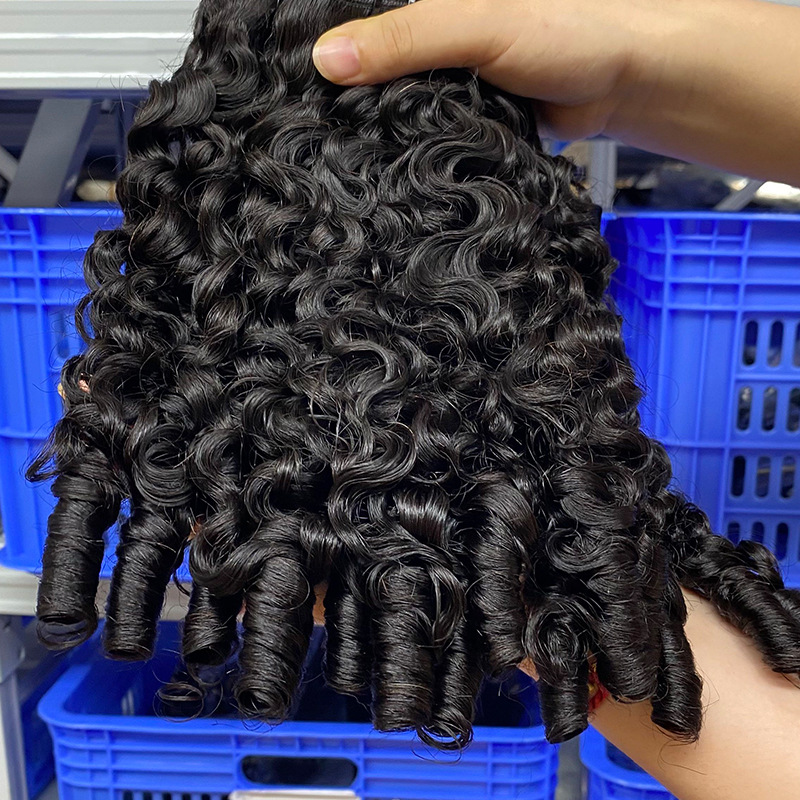
Comparison Table
| Feature | Single Drawn Bundles | Double Drawn Bundles |
|---|---|---|
| Thickness from Root to Tip | Natural taper; thinner ends due to length variation (Insight 1) | Uniform density; fuller, thicker ends (Insight 2) |
| Cost | More affordable; less labor (Insight 3) | Higher price; hand-sorted, more long strands (Insight 4) |
| Bundles Needed | More bundles for long lengths to fill ends | Fewer bundles for a full look (Insight 5) |
| Best For | Subtle, everyday looks; easy blending with natural hair (Insight 6) | Blunt/one-length cuts; high-impact volume; minimal end trimming (Insight 7) |
| Layered/Feathered Styles | Excellent movement without losing length/density (Insight 8) | Still works, but feels denser; may need light debulking |
| Blending with Fine Hair | Blends easily with natural density | May appear too thick next to leave-out; use closure/frontal (Insight 9) |
| Cost-Per-Wear | Best for budget-friendly versatility (Insight 10) | Best for long-term reuse and premium, bold looks (Insight 10) |
Secondary guide: recommended bundle counts by length
| Length | Single Drawn | Double Drawn |
|---|---|---|
| 12–16 inches | 2–3 bundles | 2 bundles |
| 18–22 inches | 3 (4 for very full ends) | 2–3 bundles |
| 24–30 inches | 4 bundles | 3 bundles |
FAQ
- How many bundles do I need for a full sew-in?
- Short/medium lengths: 2–3 bundles (double drawn may need only 2)
- Long lengths (20”+): Single drawn 3–4; double drawn 2–3 depending on fullness preference
- How long do human hair bundles last?
- With proper maintenance, quality virgin hair bundles can last 6–12 months; premium double drawn or raw hair bundles can last even longer over multiple installs. Longevity depends on cuticle alignment, installation method, heat exposure, and coloring.
- Can I bleach human hair bundles?
- Yes, but results depend on donor quality and prior processing. Test a small section first. Premium, well-sourced raw or virgin Remy hair typically lifts cleaner than heavily processed hair.
- What is the difference between raw hair and virgin hair?
- Raw hair: Minimally processed, usually from a single donor or small batches; natural pattern and cuticle intact. Virgin hair: Uncolored, unbleached hair that may be lightly steamed to set texture. Both can be Remy (cuticles aligned).
- Are expensive bundles worth the money?
- If you want bold density, crisp ends, fewer bundles, and multiple re-installs, high-quality double drawn can be worth it. If you prioritize affordability and natural blending, single drawn offers great value.
- Which bundle texture is easiest to maintain?
- Straight hair bundles and body wave bundles are the lowest maintenance. Deep wave bundles and curly hair bundles require more detangling and moisture care.
Conclusion
Choose single drawn for a soft, natural taper and budget-friendly versatility; choose double drawn for premium fullness, fewer bundles, and sharp silhouettes. For personal wear, match the drawn level to your style goals and your natural density—use closures/frontals if you’re worried about blending. For salons and resellers, carry both tiers: single drawn as your accessible, everyday option and double drawn as your salon-quality upsell. That mix satisfies different budgets, maximizes repeat orders, and protects your margins. In my experience, when expectations are set clearly and the vendor is reliable, both single drawn and double drawn can deliver beautiful, long-lasting results.
Futher Reading: https://biwinco.com/human-hair-bundles-ultimate-buying-guide/