
I’ve worn, installed, and styled more “Brazilian,” “Peruvian,” and “Malaysian” human hair wigs than I can count—on myself and for clients—from humid summers to dry winters, from sleek corporate looks to big textured glam. I know how those labels show up on product pages and how they feel in real life: the weight, the luster, the way curls hold on day three, and how the lace looks under daylight. If you’ve ever wondered whether the origin on the tag is truly meaningful or just marketing, I’ve been there, too.
Brazilian hair is usually the densest and most resilient for curls and frequent heat styling; Peruvian hair is lighter yet full—great volume without heaviness; Malaysian hair is the smoothest and glossiest, excelling in sleek styles and humid climates. The label can hint at texture family, but longevity depends far more on hair grade, donor quality, construction, and care than the “country” name.
Here’s how I break it down as a wig wearer and installer, with real-world pros and cons, texture and color undertones, climate performance, and when I reach for each type.
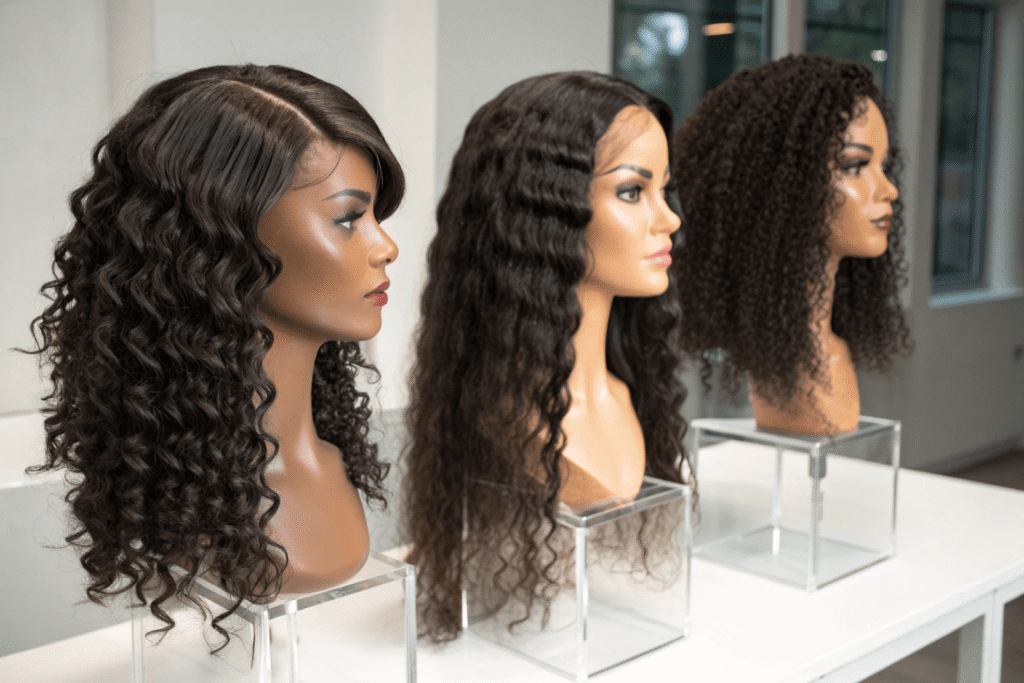
Which origin offers the best thickness and softness for my needs?
Thickness, Density, and Body
- Brazilian: Typically dense and full-bodied with a natural luster. It gives that “planted” feel—substantial strands that create big, textured styles. If you love curls, beach waves, and body, Brazilian delivers. It’s the one I choose for clients who want everyday volume and resilience.
- Peruvian: Lighter in weight yet still voluminous. It’s the sweet spot if you want fullness without feeling heavy on the head. On long workdays, Peruvian wigs feel airy and comfortable; the cap breathes better with similar visual volume.
- Malaysian: Silkier and smoother, with higher shine. While many bundles are full, the tactile feel is more “slip” than “grip.” It excels in straight or loose-wave looks and polished finishes.
Softness and Hand Feel
- Brazilian: Soft with substance—less “slippery,” more textured grip. Great for holding styles.
- Peruvian: Soft and airy—light on the scalp and easy to wear for hours.
- Malaysian: Ultra-smooth, naturally glossy—luxury, sleek vibe with minimal effort.
My take: If you want big hair and frequent curling, go Brazilian. If you want volume without weight, choose Peruvian. If you want sleek, glossy softness, Malaysian is your lane.
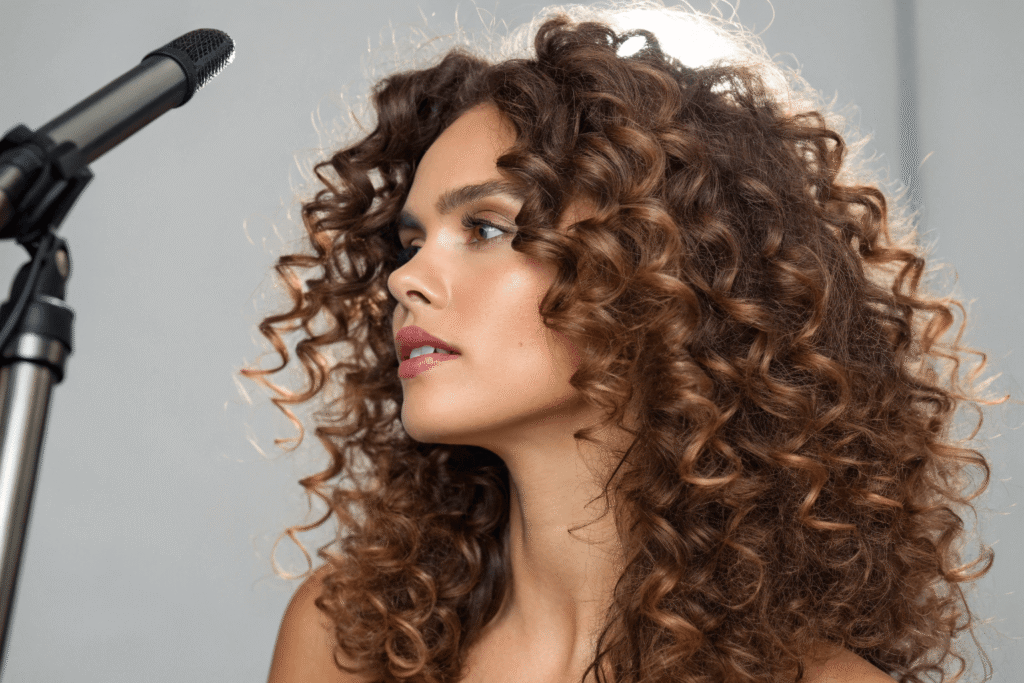
How do texture and color undertones vary across regions?
Texture Families and Styling Behavior
- Brazilian: Medium-coarse strands with versatile styling. It holds curls the longest and withstands frequent heat styling, which matters if you’re curling daily or switching looks often.
- Peruvian: Balanced coarseness with lightweight density. It blends well with medium to coarse textures and still straightens easily—ideal for those who want soft volume and flexibility.
- Malaysian: Smooth cuticle, naturally straight or loose wave. It holds sleek styles beautifully and maintains a polished look with less frizz.
Luster and Undertones
- Brazilian: Natural luster (not overly shiny). Undertones lean neutral-to-warm, which helps color blend with many skin tones and looks realistic under daylight.
- Peruvian: Soft sheen, airy movement. Often neutral undertones, making it easy to tone or color-match.
- Malaysian: High shine, cool-to-neutral undertones more common. If you love glossy “fresh press” looks, this shines—literally.
Color Work and Heat Styling
- Brazilian takes heat and color work well and recovers with proper wig care routines (gentle shampoo, deep conditioning).
- Peruvian can be colored and heat styled but benefits from gentler handling—its lightweight feel can show dryness faster if over-processed.
- Malaysian prefers minimal processing to preserve that ultra-smooth cuticle and high gloss. If you color, pre-tone gently and protect shine.
I’ve been surprised by how Malaysian hair keeps that “salon day” look longer between washes, while Brazilian lets me push curls hard day after day.
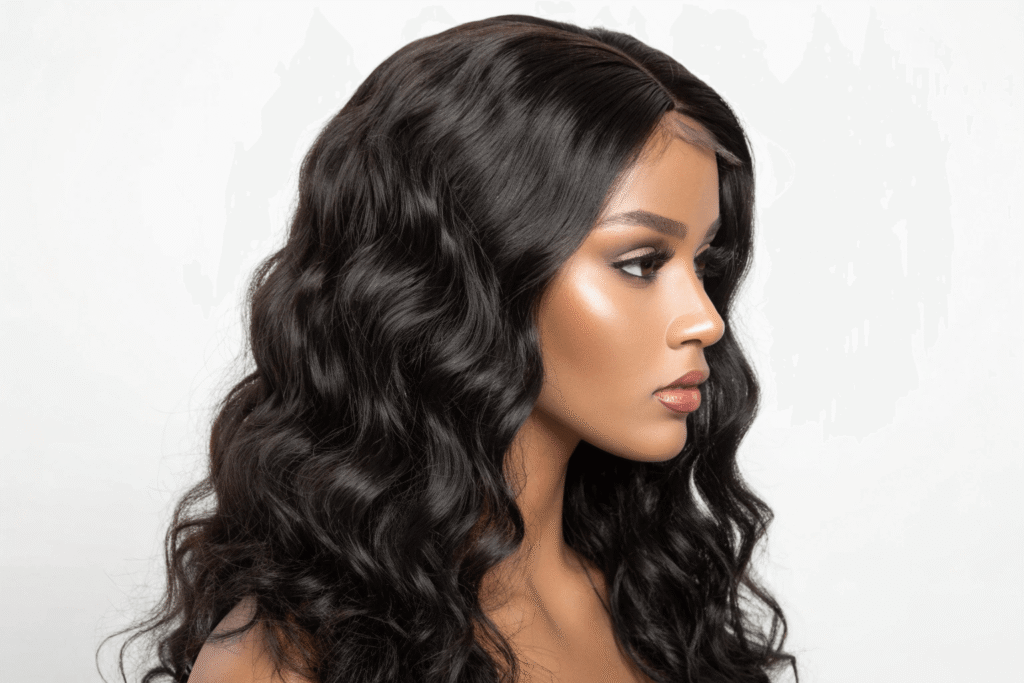
Are origin claims marketing or quality indicators I can trust?
Here’s the truth I share with every client: country names are often texture families, not guaranteed geography. Many “Brazilian/Peruvian/Malaysian” labels describe strand behavior rather than verified origin. What really controls performance and longevity:
- Hair grade and donor quality
- Cuticle alignment and whether it’s truly Remy
- Wefting quality, lace type (HD lace vs transparent), and cap construction
- Your maintenance routine: detangling, washing cadence, heat protection, proper storage
What I prioritize over the label:
- Reputable sourcing and seller transparency
- Consistent bundle density and minimal short fillers
- Low shedding from tight, well-stitched wefts
- Lace visibility: HD lace for melt-in hairlines, especially with lighter tints
- Return policy and customer reviews (look for real photos)
Bottom line: The label can guide expectations (density for Brazilian, light volume for Peruvian, sleek shine for Malaysian), but quality control beats the country name every time.
Which source performs best in humid climates for my clients?
Humidity separates the pretenders from the performers:
- Malaysian: Less prone to frizz in humid conditions. If your clients live in tropical or coastal areas, Malaysian helps keep styles sleek with fewer touch-ups. It’s my go-to for polished finishes in summer months.
- Brazilian: Solid middle ground. It resists humidity reasonably well and still holds curls, especially with heat-protectant and anti-humidity products. Great for active lifestyles that still want bounce.
- Peruvian: Beautifully airy, but can need extra anti-frizz care in humidity. I’ll add a light serum and set with flexible-hold hairspray to keep flyaways tame.
If you run outdoor events, travel often, or style hair for performances, I’d rank humidity performance: Malaysian best, Brazilian next, Peruvian needs a tad more product support.
Comparison Table
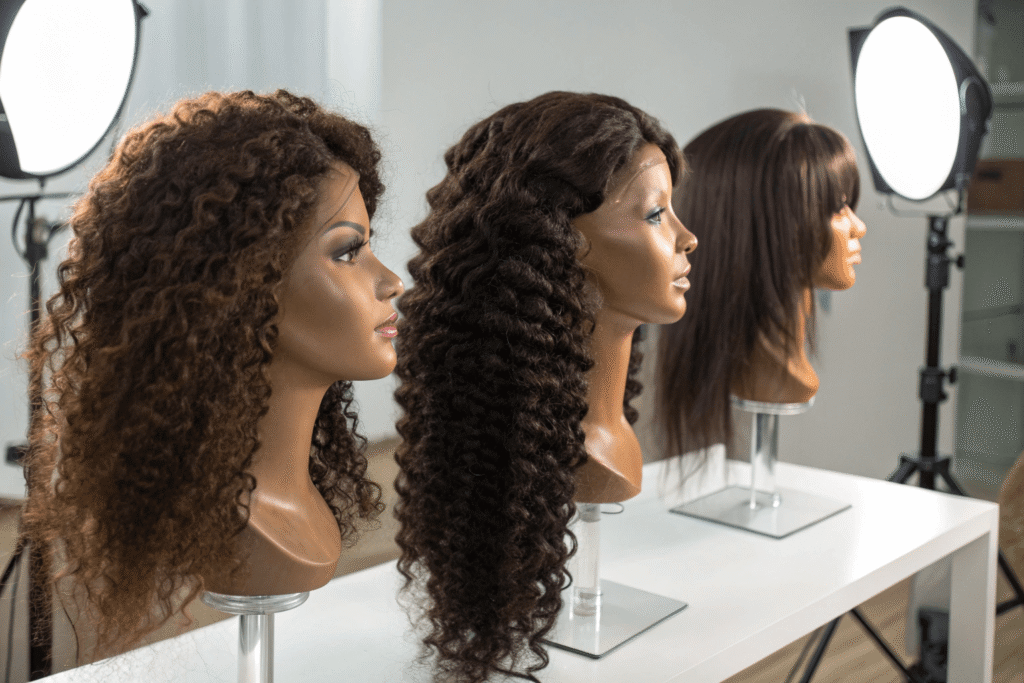
| Hair Type | Core Feel & Look | Curl Hold & Heat Styling | Frizz/Humidity Resistance | Weight on Head | Best For | Notes |
|---|---|---|---|---|---|---|
| Brazilian | Dense, full-bodied, natural luster | Excellent; resists frequent heat | Moderate–good | Moderate | Big textured styles, daily curls | Most resilient; versatile and durable |
| Peruvian | Lightweight yet voluminous, airy soft feel | Very good; gentle handling | Moderate; needs product | Lightest feel | Volume without heaviness, all-day comfort | Blends across textures; breathable for long wear |
| Malaysian | Silky-smooth, high shine, sleek finish | Good; best in straight/loose wave | Strong; least frizz | Can feel heavier/denser | Polished glossy looks, humid climates | Smooth cuticle; minimal styling for salon-fresh look |
Optional FAQ
Which wig is better for frequent curling?
Brazilian. It holds curls the longest and tolerates repeated heat styling with the right protectants.
Which wig feels lightest for long shifts?
Peruvian. It gives fullness with an airy, breathable wear—ideal for long days.
Which wig stays sleek in humidity?
Malaysian. Its smooth cuticle structure resists frizz and keeps that glossy finish.
Does origin affect longevity?
Not as much as grade, donor quality, construction, and care. Prioritize reputable sourcing and consistent maintenance routines.
Conclusion
If you want big, textured styles and you curl often, Brazilian hair is your reliable workhorse. If you crave volume without heaviness for all-day comfort, Peruvian is the airy favorite. If your top priority is a sleek, straight, glossy look—especially in humid climates—Malaysian wins with its smooth, high-shine finish. And remember: longevity lives in quality and wig care, not just the label. Choose the texture family that matches your lifestyle, then invest in great construction, HD lace for a natural hairline, and a maintenance routine that keeps shedding, tangling, and dryness in check.